A recent customer asked if their Chevy Bolt EV could be charged using the 120V, 15A outlet in their garage, without needing to upgrade to a 220V breaker. The answer involves understanding how Level 1 (L1) charging works and why your Ford or Chevy may limit charging to 12A in these situations.
What is L1 Charging?
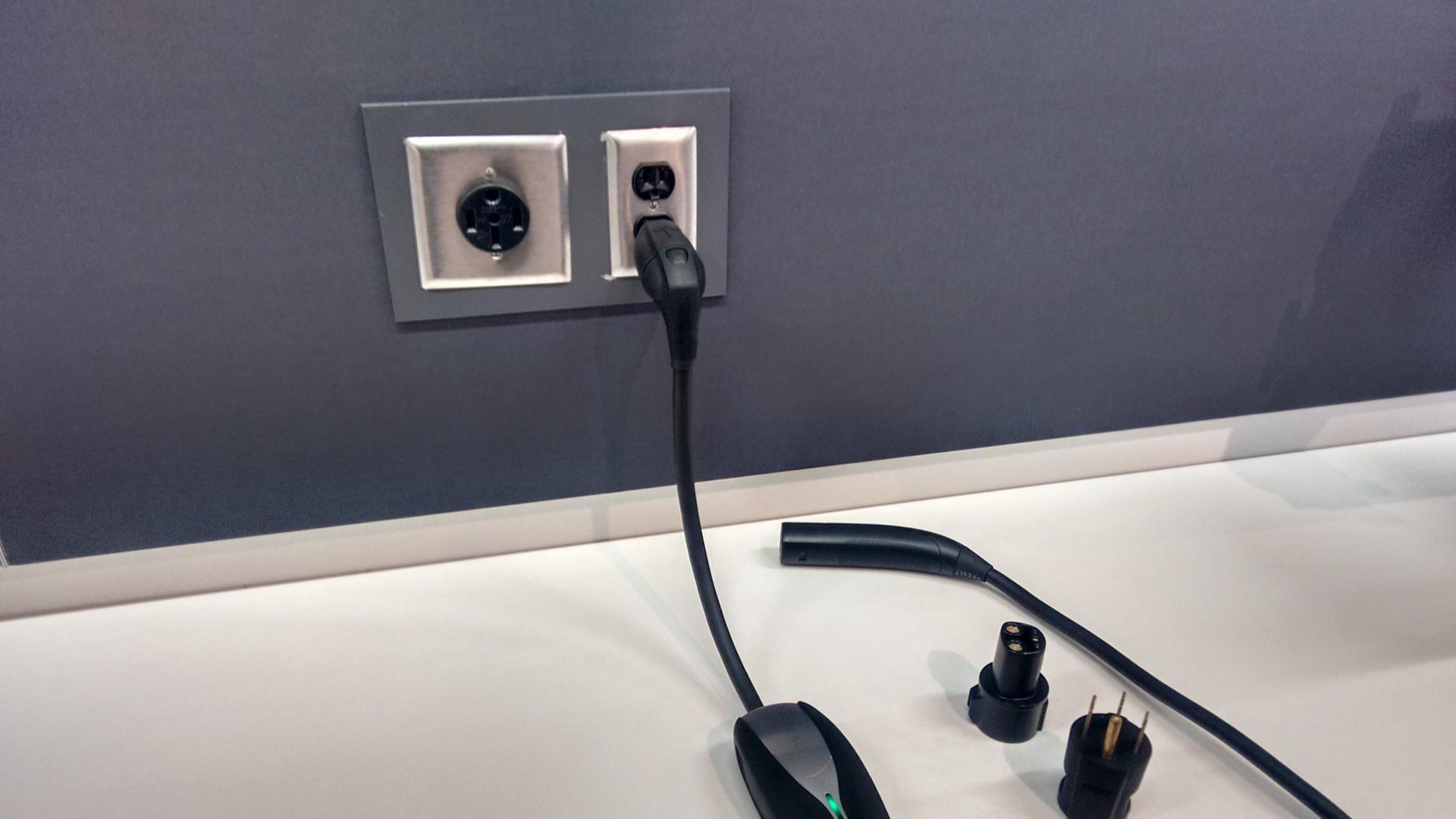
L1 charging refers to using a standard 120V AC outlet to charge your EV. This is different from Level 2 (L2) charging, which requires a 240V outlet, and Level 3 (L3) DC fast charging, which bypasses the onboard charger for direct battery charging. Here's how charging capacity breaks down for the Ford Bolt and similar models:
L1 Charging:120V at 0-12A, max 1.44 kWL2 Charging:240V at up to 27.5A, max 6.6 kWIf you live in a colder climate, there are extra considerations when charging at L1. These cars use about 900W to heat the battery, and under 32°F, the battery management system (TMS) may struggle to maintain warmth, potentially damaging the battery if not handled correctly.
Why L1 Charging is Limited to 12A
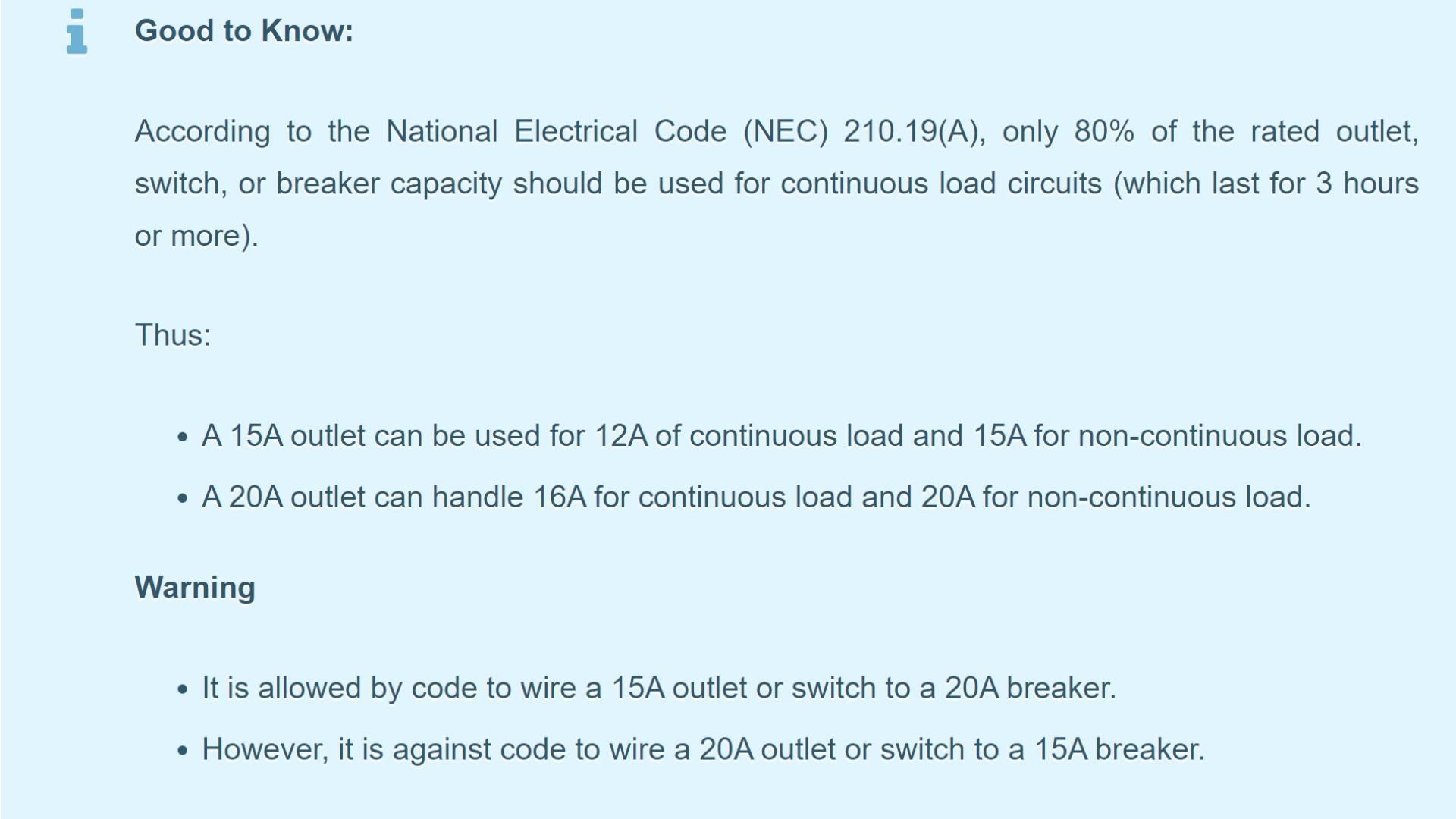
Even though a 120V, 15A outlet is theoretically capable of delivering 15A, the National Electrical Code (NEC) requires that only 80% of an outlet's capacity be used for continuous loads like charging. For a 15A circuit, that means:15A * 0.8 = 12A
Thus, even though your outlet could theoretically support more, your EV will only draw 12A to stay within NEC safety limits. This is why most EVs, including Ford and Chevy models, limit L1 charging to 1.44kW, which translates to about 3-4 miles of range per hour of charging.
The Problem with Cold Weather
In colder climates, using L1 charging can be problematic because the energy needed to heat the battery might exceed the energy being supplied. For example, pre-conditioning the cabin of the car may require up to 5kW, far more than the 1.44kW delivered by an L1 charger. As a result, you could find that your EV barely warms up, or worse, the battery may deplete while charging.
Why You Should Upgrade to L2 Charging
L2 charging provides 240V and can deliver up to 6.6kW of power, dramatically increasing the speed at which your EV charges. For households with limited breaker capacity, a switching system can be installed, allowing your EVSE (Electric Vehicle Supply Equipment) to share a circuit with other high-demand appliances like dryers or stoves. Remember to adhere to the same 80% rule, though: if you have a 30A circuit, your EVSE should be configured not to exceed 24A.
Why Ford and Chevy Limit to 12A
Even if you're using a NEMA 5-15 adapter, which allows for 15A, your Ford or Chevy will still limit charging to 12A when using a 120V outlet. This is a built-in safeguard, again reflecting NEC regulations, and it's crucial for maintaining the efficiency and safety of your EV's charging system.
Why Understanding Charging Limits is Important
Understanding these limitations is key to managing your EV charging expectations. If you plan to stick with L1 charging, expect slow speeds, especially in colder weather. Upgrading to L2 is the better solution, especially if you're frequently driving longer distances or live in colder climates.
For any further questions, feel free to contact us. At MCEVKELN, we're committed to helping you make the most of your EV charging experience.