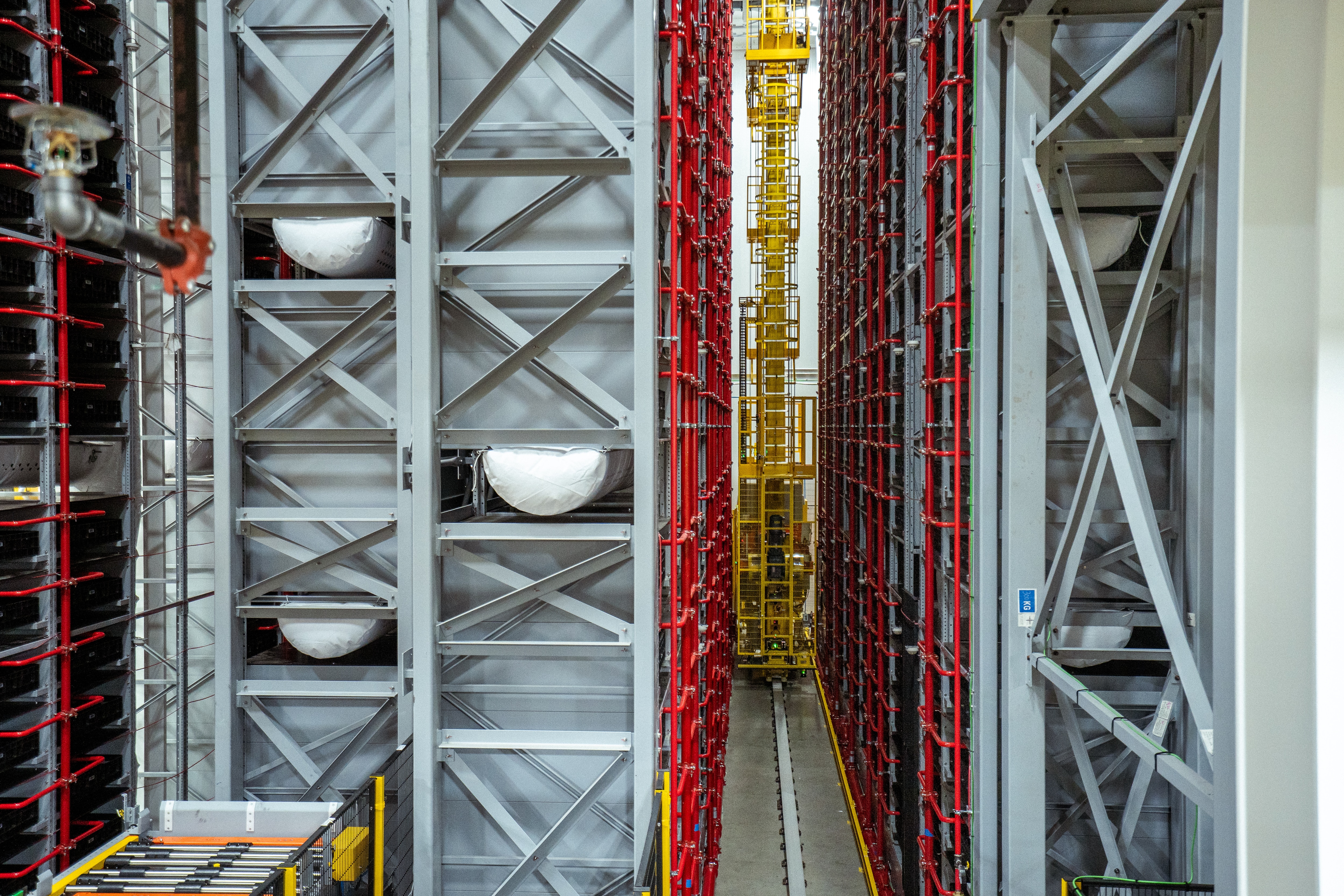
Ford has quietly crossed a line no American automaker had crossed before: the company is now producing near-production lithium iron phosphate (LFP) battery cells at its own plant in Michigan, as reported by LatestEVNews. The first cells are already on their way to Louisville, Kentucky, where they'll power prototypes of the Fathom — Ford's electric pickup scheduled to launch in late 2027 at a starting price of $28,350.
The milestone matters less as a headline and more as infrastructure: it's the supply-chain foundation that makes a sub-$30,000 electric pickup arithmetic that works.
What Ford Built in Michigan
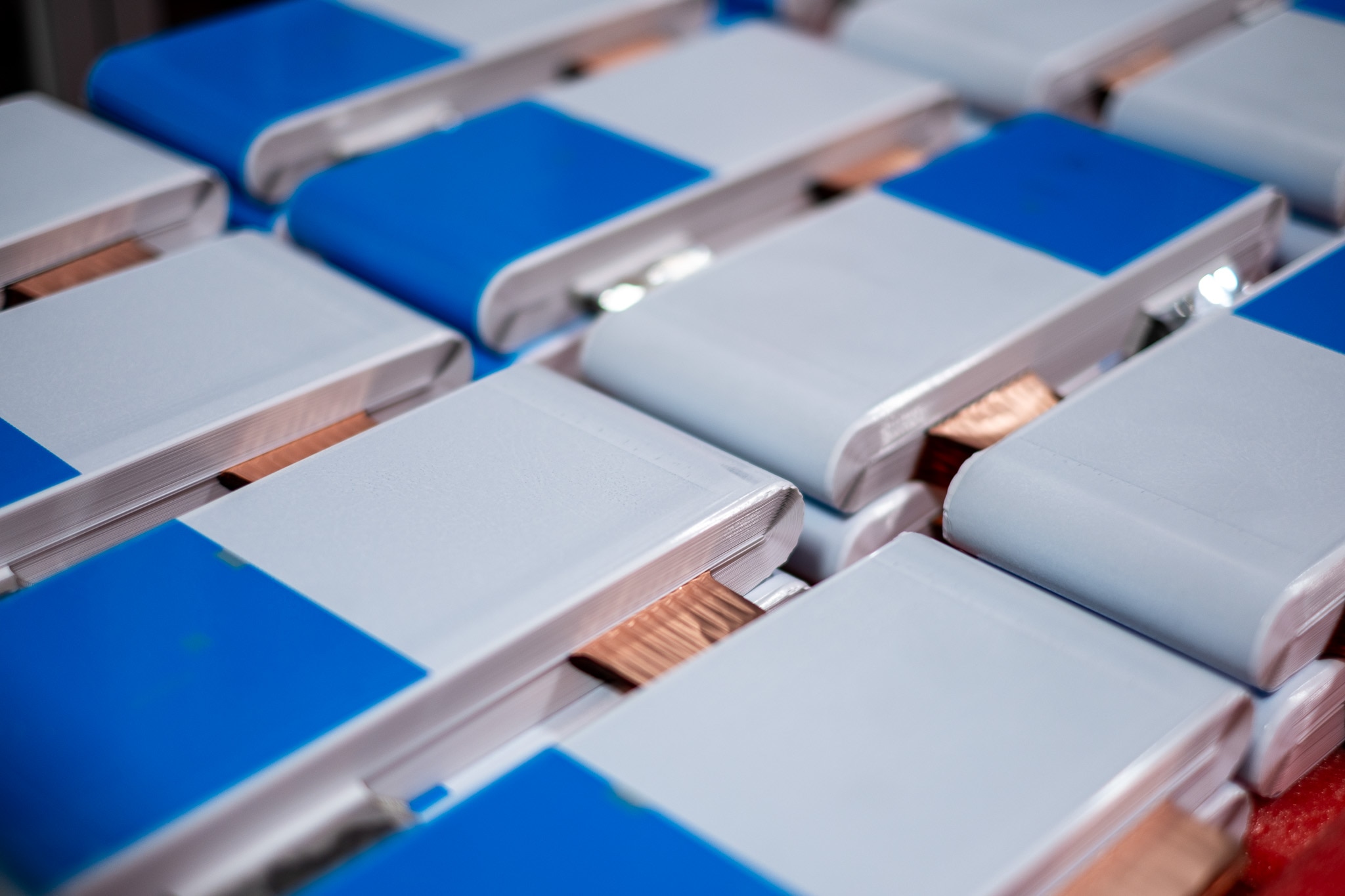
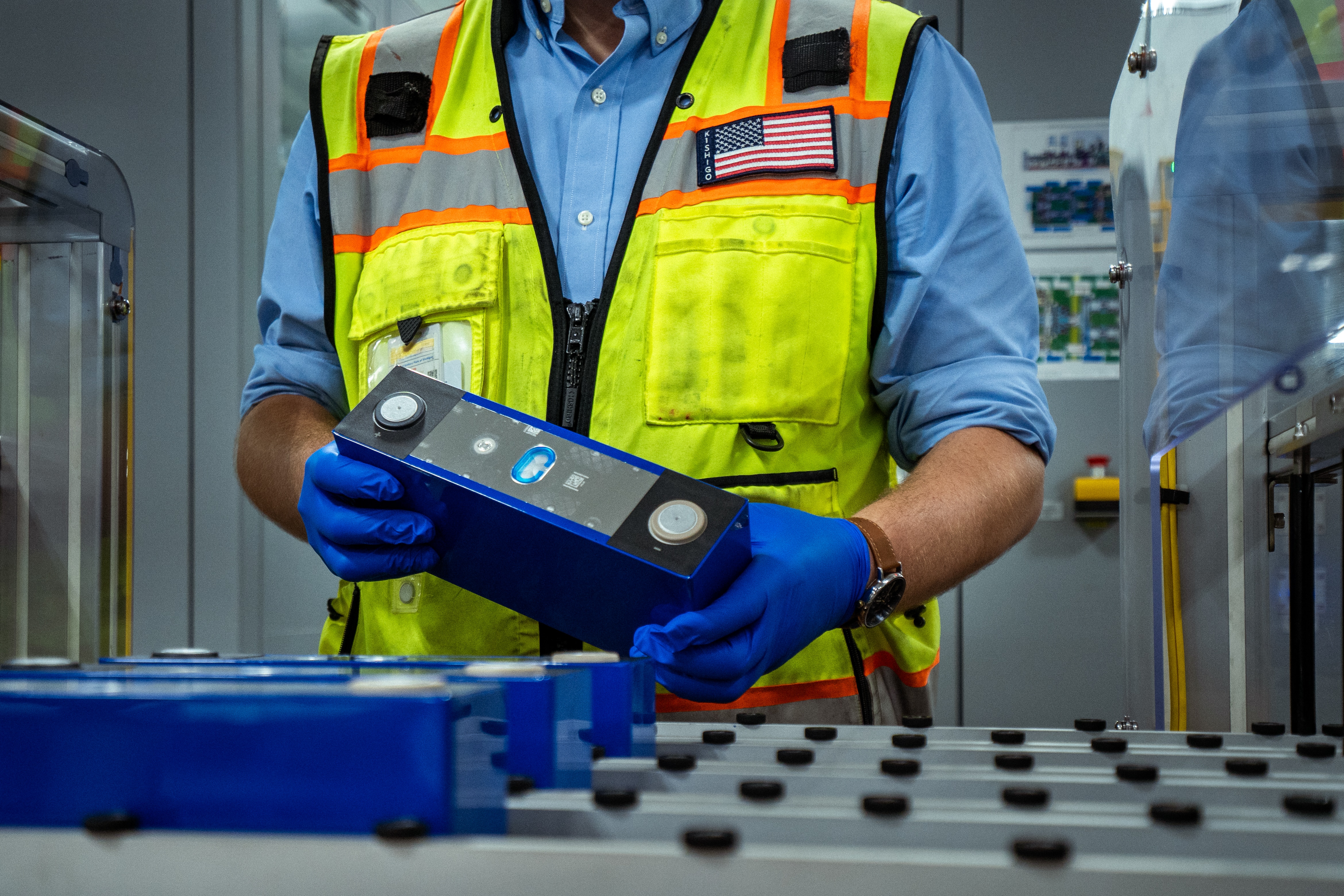
The plant — BlueOval Battery Park Michigan, in Marshall — is owned and operated by Ford, but the production technology is licensed from CATL. The Chinese battery giant supplied production equipment, processes, quality control support, and employee training; Ford holds the factory outright and runs the lines. Ford says the prismatic cell was developed specifically for the automaker — not a stock product lifted from CATL's existing catalog.
Scale-wise, the facility is planned for 20 gigawatt-hours of annual capacity, with regular production ramping through 2027. Ford quotes up to 40 cells per minute on its lines, and up to 50 finished packs per hour at pack level. Ford also positions the site as the first US factory building LFP batteries specifically for widespread passenger-car use — a milestone independently reported by Automotive World.
The Quality Bet: Catching Defects Mid-Line
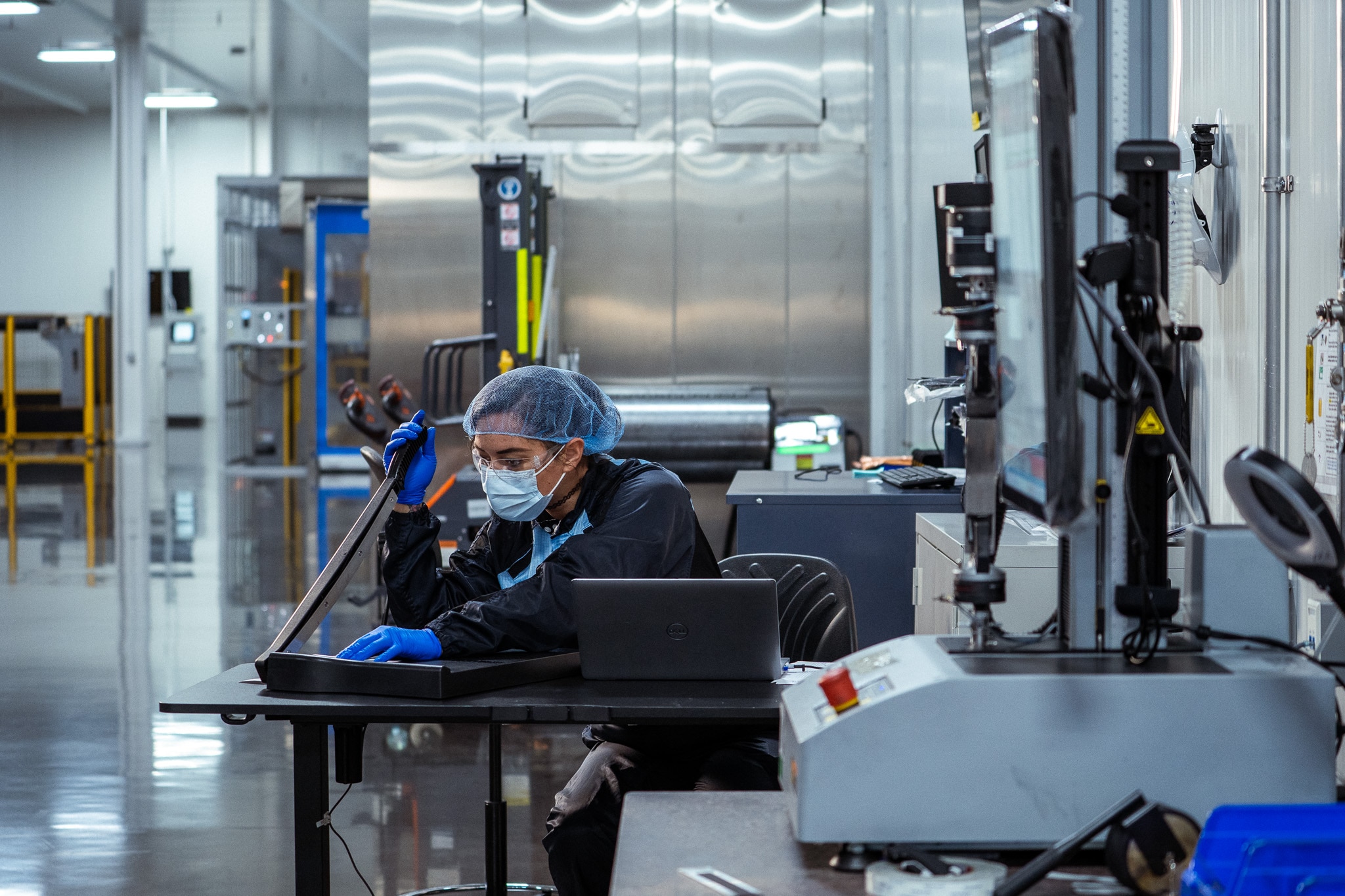
One detail reveals how seriously Ford is taking cell quality. The plant uses AI-assisted image recognition to catch deviations during production, rather than rejecting defective cells at the end of the line. The stated ambition is a defect rate eventually measured per billion cells rather than per million — a bold target for a plant still in its early ramp, and one worth revisiting once series production matures.
Why LFP Is the Right Chemistry for an Affordable Pickup
LFP is a lithium-ion chemistry, but its cathode contains no nickel or cobalt — which cuts material costs and supply-chain dependencies. The trade-offs are well understood: good cycle life and robust thermal behavior on the plus side, generally lower energy density than nickel-rich chemistries on the minus.
For a value-focused pickup, that's a sensible trade. Ford can optimize for everyday usability, service life, and cost instead of chasing maximum range at any price — and modern LFP packs are built to last far longer than early skeptics assumed. The prismatic format adds another efficiency: cells integrate directly and space-efficiently into the vehicle structure, cutting housing components and assembly steps — lower production costs and potentially more usable packaging.
What's still unknown: battery capacity, charging power, and range figures for the Fathom have not been published.
The Fathom: What We Actually Know
The pickup is the first production model on Ford's new Universal EV platform, and despite the truck body, Ford claims interior space exceeding a Toyota RAV4 — positioning it as a compact family vehicle as much as a work tool. The confirmed picture so far:
- Price: from $28,350 (standard-range version); better-equipped variants likely reaching the upper $30,000s
- Preorders: planned for early 2027 in the US
- Launch: fourth quarter of 2027
- Charging: a NACS port for North America — the Tesla Supercharger connector — plus announced bidirectional charging, which could eventually let the truck power a building or external devices
- Europe: not confirmed.Ford also claims the Fathom could undercut a three-year-old Tesla Model Y on five-year total cost of ownership — a claim without a published basis of calculation, and best treated as marketing until the numbers are public. Low energy costs and a long-lasting LFP pack could plausibly support the argument, but the math hasn't been shown.
Why In-House LFP Changes the Game
The licensing structure is the quiet story here. CATL provides the expertise; Ford owns the plant, the procurement, and the output — with Ford stating it won't source critical raw materials from countries considered problematic source markets under US law. The result is domestic LFP production at scale without foreign ownership of the factory.
Two follow-on effects are worth watching. First, LFP's share is growing globally — if Ford can produce it competitively in North America, pressure builds on other Western manufacturers to localize their battery supply chains. Second, Ford plans to apply the Michigan experience to stationary energy storage, meaning the plant's future doesn't rest on vehicle demand alone.
The Bottom Line
A $28,350 electric pickup was never going to happen on imported nickel-based packs. What makes the Fathom's price plausible is exactly what happened this month: US-made LFP cells, CATL's process discipline on Ford's own factory floor, and a chemistry chosen for longevity and cost rather than spec-sheet glory. The proof points — real defect rates, real range figures, real owner bills — arrive through 2027. But the foundation Ford just laid is the reason the rest of the plan is credible.
FAQ
Does Ford make its own LFP batteries now?
Yes. Ford has begun near-production LFP cell manufacturing at BlueOval Battery Park Michigan, a Ford-owned plant using technology licensed from CATL, with a planned capacity of 20 GWh per year.
What battery will the Ford Fathom use?
Prismatic LFP cells developed specifically for Ford, produced in Michigan, and integrated space-efficiently into the vehicle structure. Capacity, charging power, and range figures haven't been published yet.
When does the Ford Fathom launch and how much will it cost?
Preorders are planned for early 2027 in the US, with launch in the fourth quarter of 2027. The starting price is $28,350 for the standard-range version.
Will the Ford Fathom have a NACS charging port?
Yes — a NACS port is planned for North America, alongside announced bidirectional charging that could let the truck supply power to a building or external devices. A European launch is not confirmed.
Why did Ford choose LFP instead of other battery chemistry?
LFP's cathode contains no nickel or cobalt, reducing material costs and dependencies, while offering good cycle life and robust thermal characteristics. The trade-off is lower energy density — acceptable for an affordable pickup optimized for cost and longevity rather than maximum range.