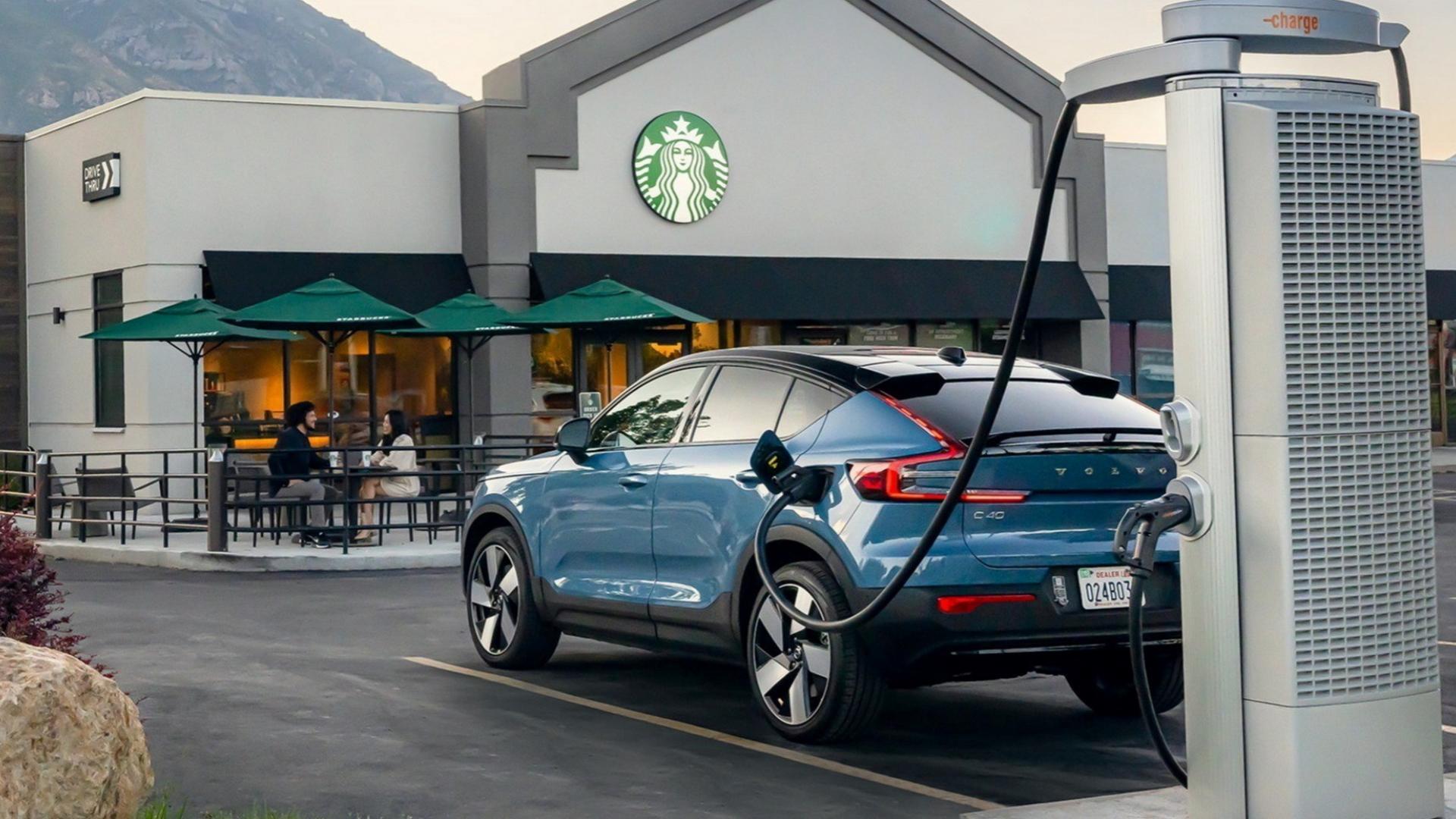
As electric vehicles (EVs) continue to grow in popularity, the demand for accessible charging stations is rapidly increasing. One of the most effective ways to meet this demand is by placing chargers at high-traffic locations like restaurants, convenience stores, cinemas, and shopping centers. This not only provides convenience for EV owners but also creates opportunities for businesses to attract new customers.
Why More Chargers at Restaurants and Cinemas Make Sense
Imagine stopping at a waffle house or fast food joint like Sonic's and being able to charge your car while enjoying your meal. You don't need ultra-fast chargers for these scenarios—a 50 kW DC fast charger is often enough to give your car a substantial charge in 45 minutes to an hour. For example, many McDonald's locations are equipped with 50 kW chargers, even if cheaper, faster 150+ kW chargers are nearby. Having more charging stations, even if they're slower, can help distribute the load and reduce wait times for drivers.
This approach aligns with the trend seen in Denmark, where regulations mandate that 1 in every 5 parking spaces in new developments must include at least an L2 charger. This kind of foresight helps ensure EV infrastructure keeps pace with growing demand and also pushes businesses to think about the long-term benefits of catering to EV drivers.
Cinemas are prime locations for charging stations. Watching a movie typically takes 2-3 hours, which is perfect for an L2 charger to top up your battery. While a slower charger might not fully recharge your car, it provides enough juice to get you to your next stop.
What Businesses and Drivers Need to Consider
For businesses, installing L2 chargers can be a smart investment, especially at places where people tend to spend several hours, like hotels, malls, and cinemas. While a faster charger would be ideal for short visits, the high cost of DC fast chargers makes them harder to justify financially. However, slower chargers are perfect for places where customers plan to stay for an extended period, offering a better return on investment.
For drivers, especially those on long trips, finding reliable chargers in convenient locations can be a game-changer. Having a charging strategy in place—knowing where to stop, whether it's a rest stop or a museum with Tesla Superchargers—can make road trips stress-free. For example, the Casey Jones Museum in Tennessee offers 16 Tesla Superchargers in a location filled with dining and shopping options, making it an ideal spot for a recharge while taking a break.
One critical piece of the puzzle for EV drivers is ensuring you have the necessary adapters for different charging standards. Tesla drivers, for instance, should carry a J1772 to NACS adapter, which allows them to charge at non-Tesla stations. Likewise, non-Tesla vehicles like Ford or Rivian may benefit from an NACS to CCS adapter, allowing them to access Tesla’s Supercharger network or other NACS chargers.
Having the right adapters on hand means you can charge at a broader range of stations, whether you’re grabbing a quick meal or catching a movie. This flexibility is key as EV charging networks continue to expand but still vary in compatibility across different regions and charging points.
Looking Ahead: A Charging Revolution
As EV adoption rates climb, more businesses are recognizing the value of offering charging options for their customers. Whether at restaurants, cinemas, or roadside stops, chargers will soon become as essential as Wi-Fi. To prepare, both businesses and drivers need to stay ahead of the curve—whether by installing chargers or carrying the right adapters.
In conclusion, more chargers in more places, combined with a focus on making them accessible through the use of adapters, will greatly enhance the EV driving experience. As infrastructure grows, businesses that cater to this market will see increased foot traffic, and drivers will enjoy the convenience of charging without interrupting their plans. Ready to join the charging revolution?