As the world embraces sustainable transportation, David Watts, the Electric Vehicle Fleet Product Manager at Volkswagen Financial Services (VWFS) Fleet, spearheads efforts to promote electric vehicles (EVs). He shares insights into the strategies for achieving net-zero fleets.
VWFS, a division of the Volkswagen Group, is committed to becoming a key player in "mobility solutions." David Watts serves as the EV fleet product manager at VWFS Fleet, focusing on the electric vehicle sector and providing expert consulting support to clients in transitioning their fleets to electric, thus reducing fleet emissions.
More than 25 years ago, Watts entered the fleet industry by chance, following an injury that ended his career after university. His journey toward sustainability began with a volunteering stint at a marine conservation project in North Borneo after the 2004 Boxing Day tsunami. Upon returning, Watts combined his fleet industry experience with his passion for sustainability, working for the Energy Saving Trust in 2006. In this role, he laid the groundwork for today's electric vehicle journey, pioneering breakthrough plug-in fleet schemes to support electric vehicles.
At VWFS Fleet, Watts assists clients in devising effective electric vehicle transition strategies to reduce emissions and achieve net-zero emission goals. His responsibilities include providing specialized consultation to clients, aiding them in developing sustainable strategies, and addressing specific challenges to ensure a smooth transition to electric vehicles.
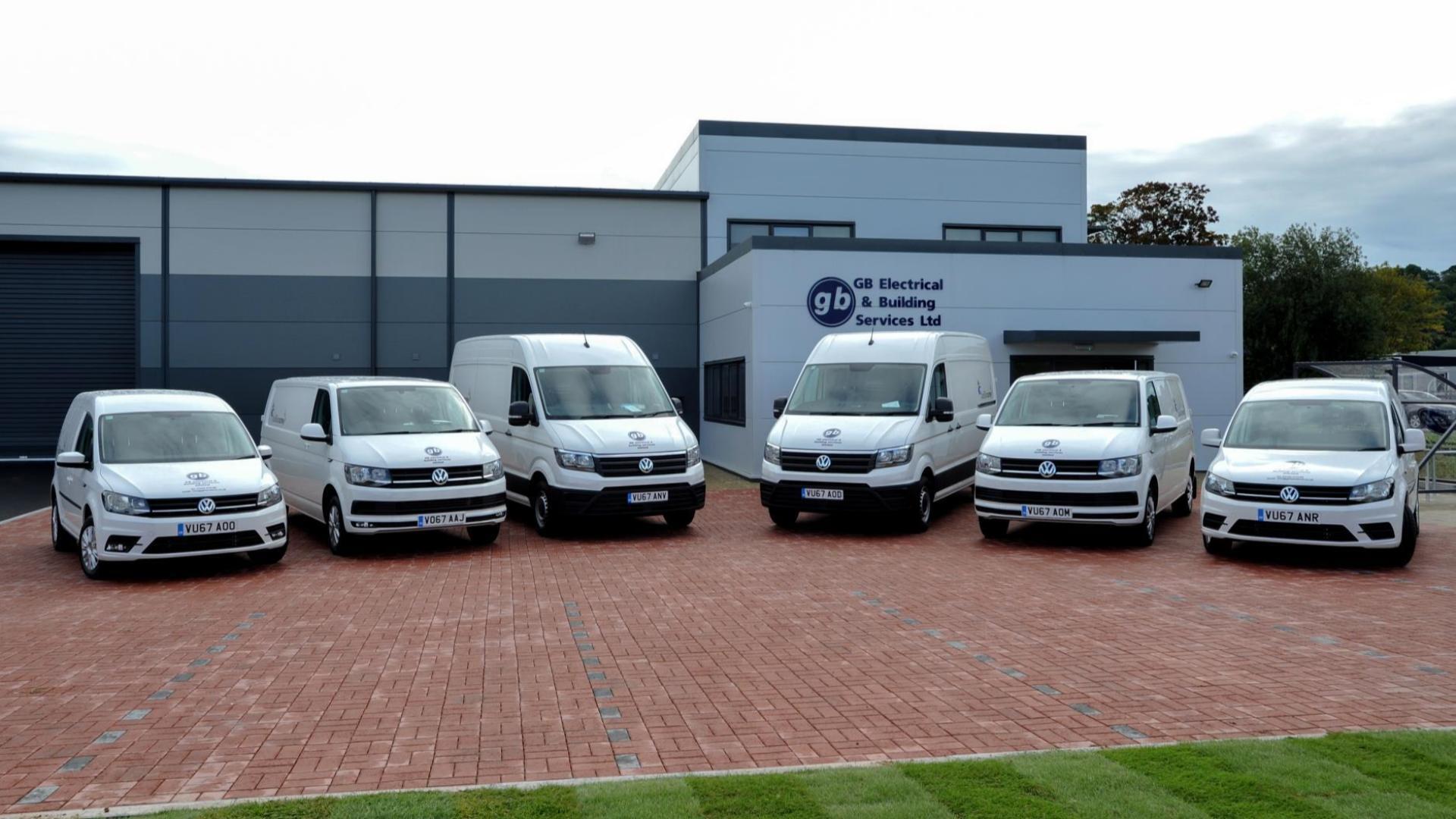
Watts is also responsible for VWFS Fleet's EVolve advocacy and enhancement initiatives, which involve developing a wealth of free resources to support businesses in transitioning their fleets. This includes electric vehicle journey planning guides, charging guides, and transition strategy guides. Additionally, he is involved in Volkswagen Group's electrification efforts.
Looking ahead to 2024 and beyond, Watts anticipates that one of the biggest challenges for electric vehicles will be ensuring that electric light commercial vehicles (eLCVs) serve businesses adequately, allowing them to continue their momentum toward net-zero journeys.
According to Watts, the UK's Zero Emission Vehicle (ZEV) mandate stipulates that by 2030, 70% of new vans sold in the UK should be zero-emission. However, a study from last year found that by 2022, electric light commercial vehicles accounted for only 5.9% of total van registrations. This underscores the need to accelerate the electrification of light commercial vehicles significantly to meet ambitious goals.
While advancements in electric vehicle technology continue to offer greater range and affordability, addressing how vehicle batteries can power different components (such as refrigerators or dump trucks) based on vehicle usage remains a key challenge. Many manufacturers are working to overcome this challenge rapidly.
VWFS Fleet's initiatives underscore the importance of collaborative efforts in driving sustainable transportation forward.