Something unusual is happening in China's auto industry right now: the world's largest car market is shrinking at home, yet Chinese carmakers have never shipped more vehicles abroad. That contradiction is reshaping the global EV landscape faster than most drivers outside China have noticed — and it has direct implications for how the rest of the world charges its cars.
China's domestic passenger car sales fell roughly 25% year-over-year in August, according to the China Association of Automobile Manufacturers (CAAM), as broader economic pressure weighed on consumer spending. Gasoline models absorbed most of that decline, as Chinese buyers keep gravitating toward EVs and plug-in hybrids.
At the same time, exports have gone the opposite direction entirely. By August, China had already shipped around 6.2 million passenger vehicles for the year — more than the roughly 6 million passenger cars it exported in all of 2025, according to reporting from the Associated Press. August alone saw exports jump about 67.1% year-over-year to roughly 890,000 units, based on CAAM data.
In other words, a slower domestic market isn't slowing China's auto industry down. It's redirecting it.
The export surge isn't driven by cheap gasoline cars flooding new markets — it's electrified models leading the charge. EV and plug-in hybrid vehicles have become the primary growth engine behind China's export numbers, a shift that tracks with what's happening inside China's borders too, where plug-in vehicles have steadily displaced combustion models in daily sales.
This matters for a simple reason: Chinese automakers have spent the better part of a decade scaling battery production, securing raw materials, and iterating on EV platforms faster than almost anyone else. That manufacturing muscle, combined with years of brutal domestic price competition, has produced vehicles that are increasingly competitive on quality — not just price — once they land in a new market.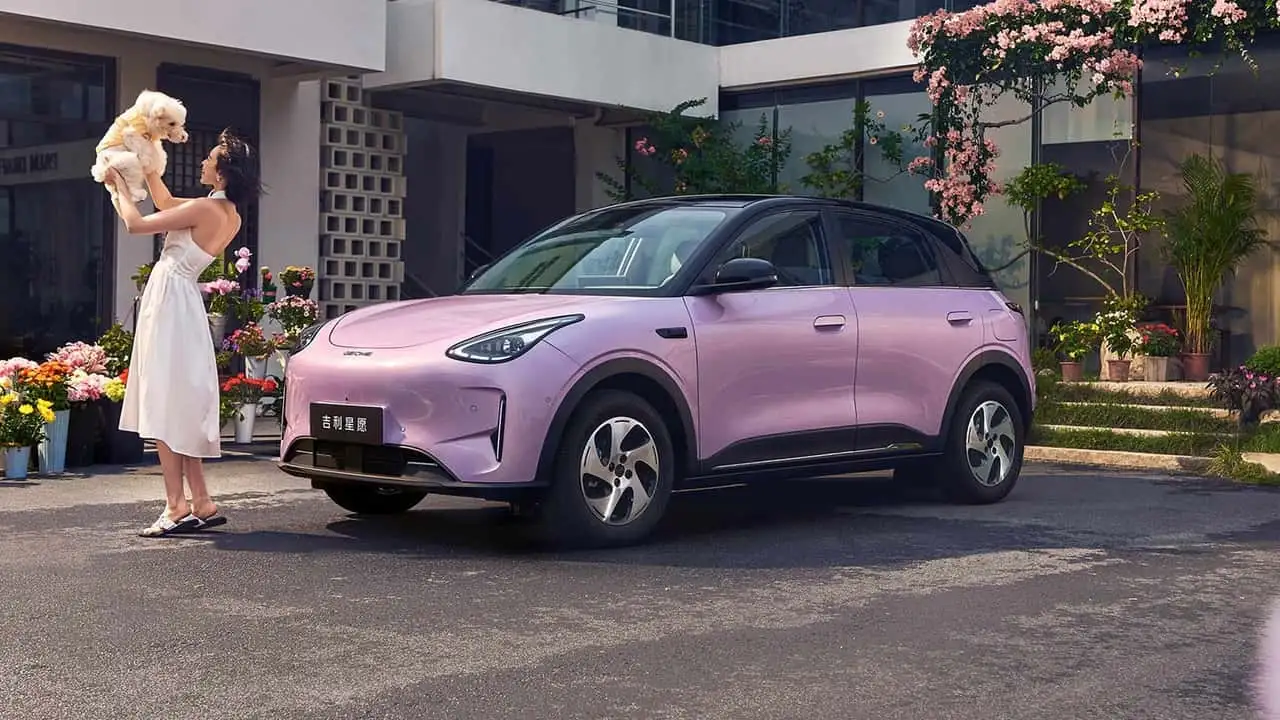
Three overlapping pressures are pushing Chinese automakers to look outward:
Selling a car in Europe, Southeast Asia, or Latin America simply pays better right now than selling the same car in Shenzhen — and that math is unlikely to change soon.
Few markets illustrate this shift better than Australia. According to Cox Automotive Australia, Chinese brands now account for close to a third of new car sales in the country, and a meaningful share of that volume is hybrid, EV, or PHEV rather than pure gasoline models. That's a striking foothold for an auto industry that barely registered in Western markets a decade ago.
Australia is a useful case study for another reason too: it's a right-hand-drive market with a growing mix of Chinese, Japanese, Korean, and legacy brands all competing for the same driveways — and increasingly, the same charging infrastructure. As more of these vehicles arrive with different onboard chargers, connector expectations, and charging speeds, owners are relying more heavily on flexible home charging options like portable EV chargers rather than assuming a one-size-fits-all solution, particularly in apartment buildings where a dedicated wallbox isn't always an option.
Not every market is opening its doors. The United States maintains 100% tariffs on Chinese-made vehicles and has discussed even stricter measures. The European Union, meanwhile, is reportedly weighing additional tariffs on Chinese plug-in hybrids, after PHEVs largely sidestepped the tariffs the EU already placed on pure battery EVs.
Other markets are taking a more measured approach. Canada recently opened the door to a limited volume of Chinese imports, while Mexico has become a significant destination for Chinese brands with comparatively few restrictions. The result is a fragmented global landscape: some regions embracing Chinese EVs as an affordable path to electrification, others treating them as a competitive threat to protect.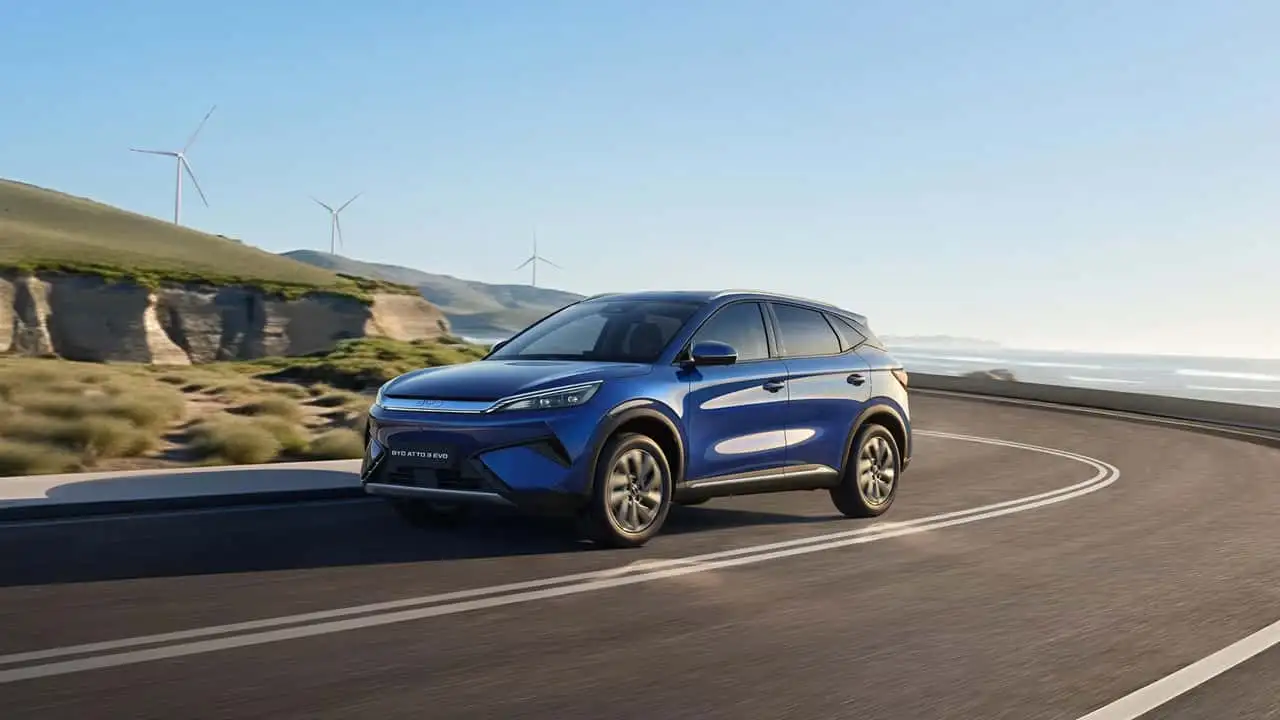
Whatever your view on the trade politics, one practical trend is hard to ignore: more EV and PHEV models on the road globally means more owners who need reliable, flexible charging — often across multiple connector standards, since Chinese, European, and North American vehicles don't always share the same plug conventions.
For everyday owners, that increasingly means investing in adaptable charging gear rather than assuming a single cable or connector covers every situation. A universal set of EV charging cables compatible with Type 2 and other regional standards, paired with the right EV charging adapters for cross-standard compatibility, has become far more useful in markets — like Australia and much of Europe — where the vehicle mix is diversifying quickly. Drivers who split time between home charging and public infrastructure, or who've picked up a newly imported EV without knowing exactly what charging setup they'll need, are increasingly leaning on our Level 1 portable charging guide to understand what a simple wall-socket setup can realistically cover.
China's export numbers aren't just a story about one country's auto industry — they're a preview of what a genuinely global EV market looks like, with vehicles, connector standards, and charging habits crossing borders faster than regulation can keep up. Whether tariffs slow that pace or not, the direction is clear: the world is going electric, and increasingly, it's plugging in with equipment sourced from more places than ever before.
Why are Chinese EV exports increasing?
Chinese automakers are dealing with a domestic price war, oversized manufacturing capacity, and slowing home demand — all of which make overseas sales more profitable. EV and PHEV models, in particular, have matured quickly in quality and price competitiveness, making them attractive to buyers in markets without strong domestic EV industries of their own.
Which countries are importing Chinese EVs?
Europe, Latin America, Southeast Asia, and Australia have all become significant destinations for Chinese EVs and PHEVs. Canada has opened to limited imports and Mexico has become a major market, while the United States maintains steep tariffs and the EU is considering further restrictions on plug-in hybrids specifically.
How could growing EV exports affect charging infrastructure?
As more Chinese, European, and North American EV models mix in the same markets, connector standards and charging needs become less uniform. That's pushing more owners toward flexible solutions — universal charging cables, cross-standard adapters, and portable chargers — rather than assuming one charging setup will cover every vehicle they own or encounter.