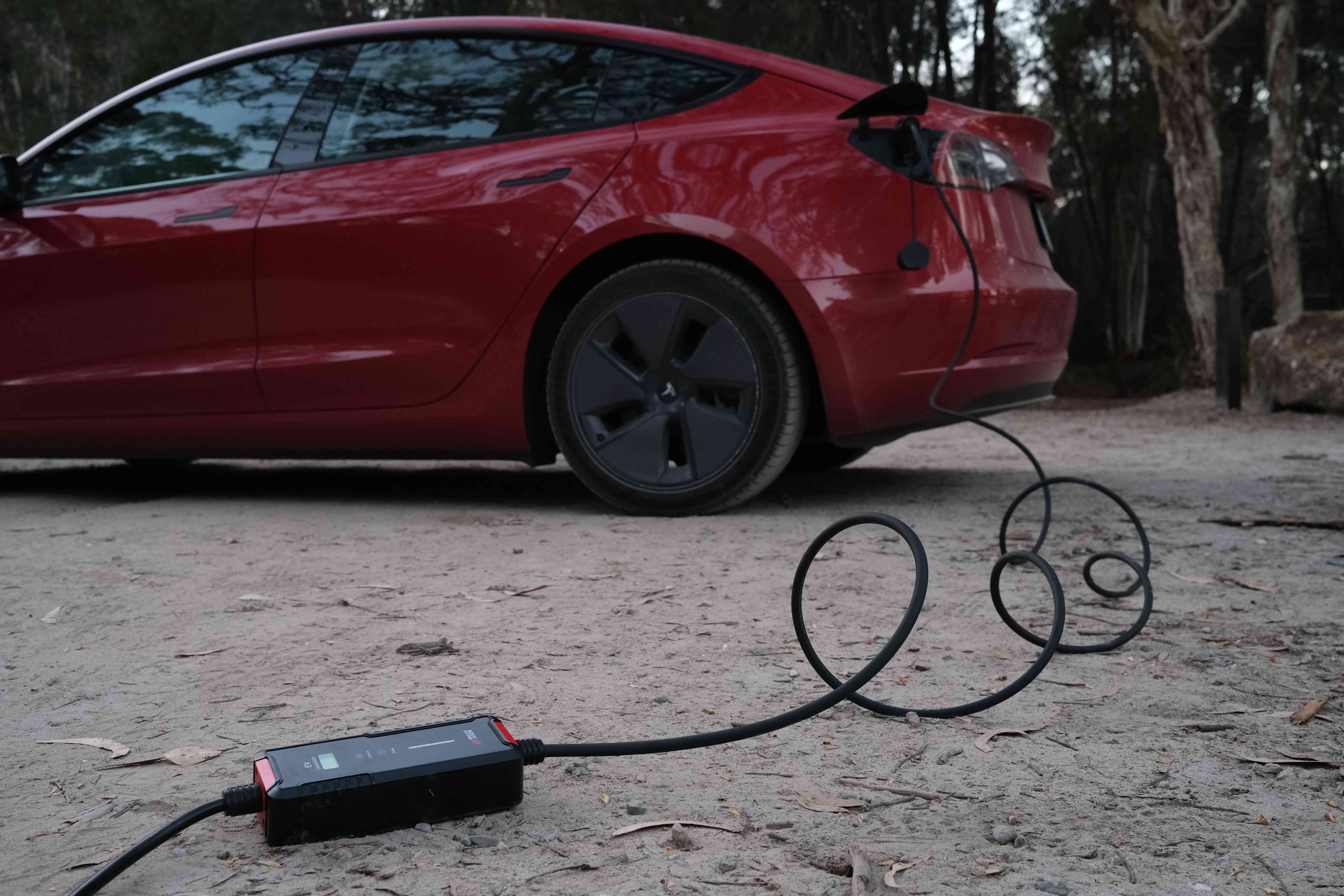
A standard 240 - volt wall socket in Australia typically supplies around 2 to 3 kilowatts (kW) of power. That translates to about 5 to 7 kilometers of range per hour of charging.
My Tesla Model 3 has a 68 - kilowatt - hour battery. If I were to charge it from 20% to 80%, it would take around 15 to 20 hours. Compare that to my home's Level 2 charger, which pumps out a steady 7.4 kW and can charge my car from 0% to 100% in about 5 hours.
Now, if you're new to the EV game, you might scoff at how slow Level 1 charging is. But think about it: how much of the time is your car just sitting there? For most of us, it's parked at home, at work, or when we're out and about. And that's the beauty of EVs – they can "refuel" while they're parked. It's like a secret superpower that not enough people talk about. With a petrol car, you have to drive to a servo to fill up. But with an EV, as long as there's a socket nearby, you can top up your battery for 95% of the time your car is stationary.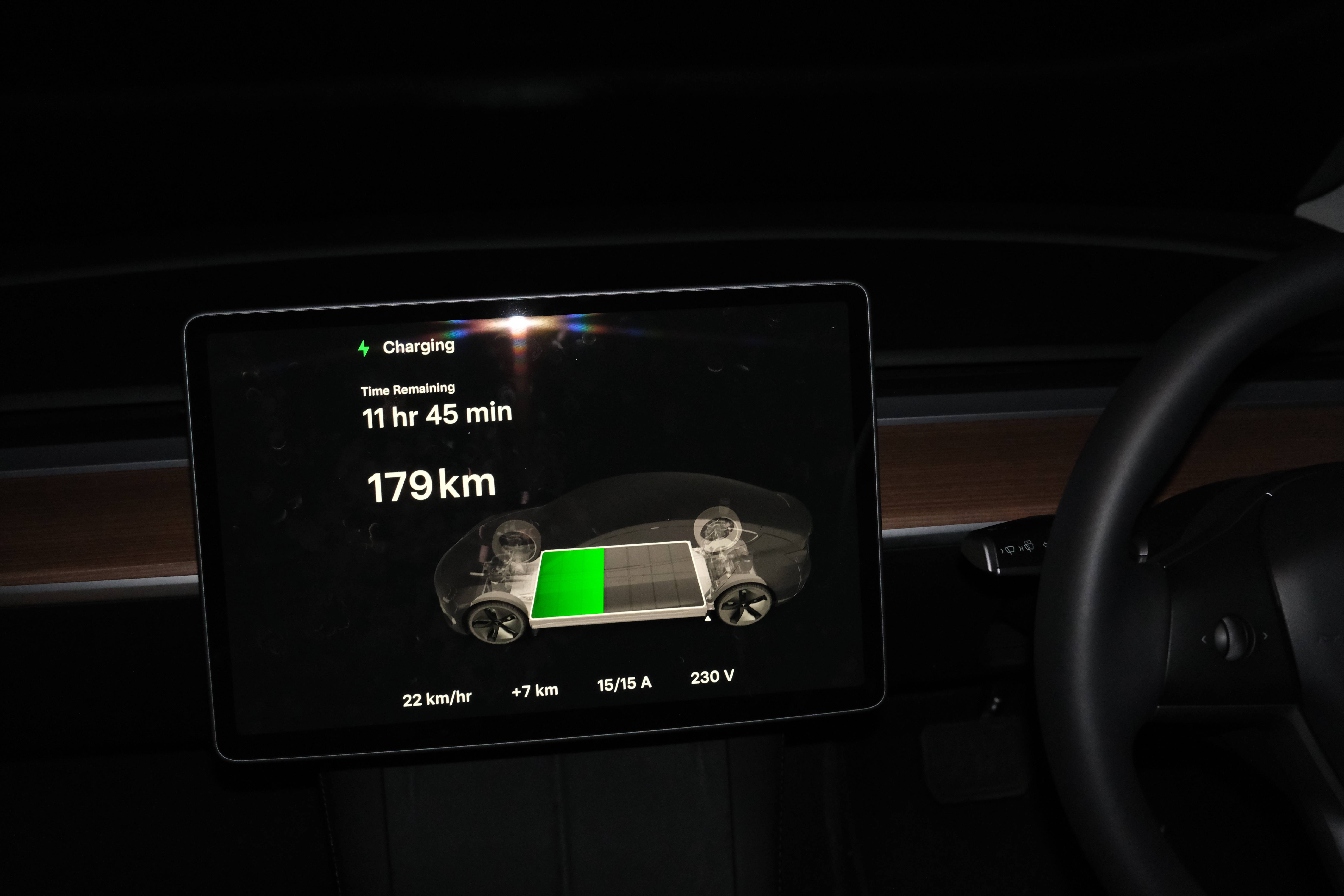
During my trip, I wasn't constantly on the road. I was exploring the outback, checking out the amazing art galleries in Broken Hill, and having a few cold ones with the locals. The Model 3 was parked for most of the day, so I figured I might as well give it a little charge.
The results were fantastic. Just from the wall socket, I was able to add about 50 to 70 kilometers of extra range each day, mostly while I was catching some Z's at night. I never let the battery run down to 0%, so I didn't have to start from scratch. And I always had a bit of juice from the Supercharger in the system. The wall socket gave me enough range to get around town, visit the local attractions, and run my errands.
EV charging isn't like filling up a petrol tank. It's not about "I'm out of fuel, so I need to fill it up right now." It's about getting the range you need for your daily activities. I didn't need my Model 3 to be fully charged every day; I just needed enough range to get me where I wanted to go. The wall socket provided a great daily buffer until I had to head back to the Supercharger. It made me think more strategically about my energy use, and that's a good thing.
There are plenty of Aussie EV owners who rely solely on Level 1 portable EV charging. My mate, Jake Thompson, lives in an apartment and uses the slow charger all the time. If you've got a small EV with a tiny battery or you use your EV as a second or third car for local trips, why not use a wall socket? It's cheap and convenient.
For me, at home, I need a Level 2 charger because I do a fair bit of driving. But now, I see the Level 1 charger as an essential tool in my EV toolkit. It's especially handy on road trips and holidays. If you're heading to a new place where you can't be sure there'll be plenty of fast - charging options, I highly recommend packing that portable EV charger. It might not be the fastest way to charge, but it's better than being stranded with a flat battery.
Before you plug in, though, make sure the electrical system is safe, up - to - date, and can handle the load. If you're staying at an Airbnb, have a chat with the host to make sure it's okay to charge your car and that it won't blow the budget on their electricity bill.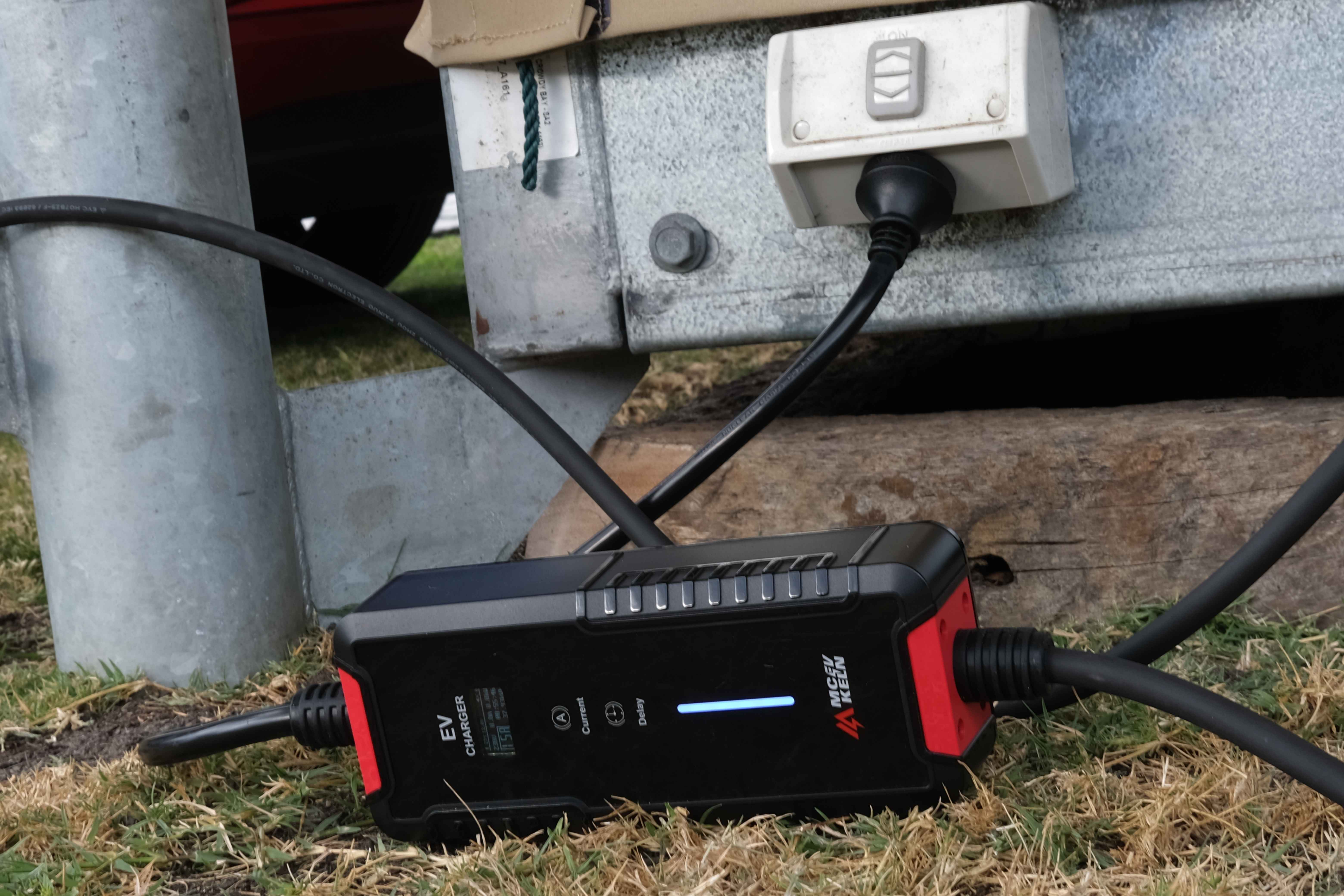
Some manufacturers say not to use extension cords for this kind of thing. Long - distance, high - power extension cords can be a fire hazard. If you do need to use one, go for an industrial - grade, low - gauge cord. But always check your car's user manual first, or better yet, have a chat with an electrician. You don't want a charger fire to turn a handy charging solution into a nightmare.
So, next time you're behind the wheel of your EV, don't rule out Level 1 portable EV charging. Remember, if your car's parked, there's probably a socket somewhere just waiting to give it a little boost. Safe travels, everyone!