Why Electric Vehicles Don’t Have Spare Tires – And What It Means for Off-Road Adventurers
Spare tires are disappearing—not just in electric vehicles (EVs), but in most modern cars. While this trend may make sense for some, for others, it's a real concern. As an avid adventurer, I’ve been searching for an electric vehicle that could truly replace my 230,000-mile gasoline truck. The problem isn't the range—I can take my EV9 into remote areas. It’s not about performance either; I’ve got all-wheel drive and eight inches of ground clearance. And charging? That’s manageable.
But just like nearly every electric SUV on the market, my EV9 doesn’t come with a spare tire.
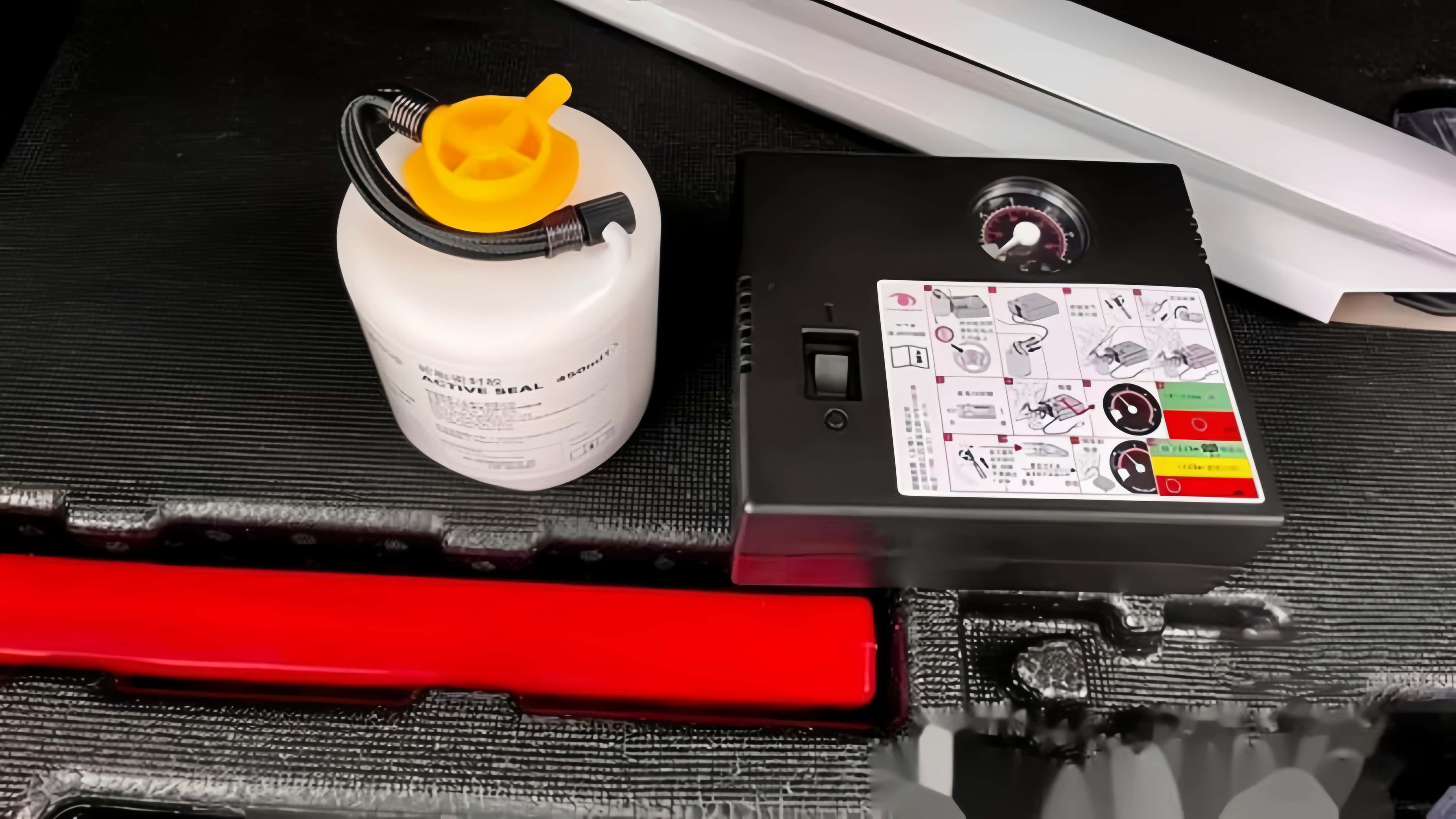
At the 2025 Hyundai Ioniq 5 launch event, Editor-in-Chief asked whether the off-road XRT model would buck this trend. The answer was no. Hyundai confirmed that it would only offer a can of tire sealant and a portable air compressor. If that doesn’t fix the issue, it’s time to call roadside assistance.
Why Is This a Problem?
Off-roading and tire damage often go hand-in-hand. On the factory-equipped trucks with off-road ambitions, like my Tahoe, you’ll find a full-size spare. The same goes for most full-size and mid-sized American trucks, and even the Jeep Wrangler, which proudly displays its spare. Even less rugged vehicles, like the Subaru Outback or Mazda CX-50, come with a compact spare, understanding that if you’re going off-road, a stronger solution than tire sealant and a cheap compressor is necessary.
Tire sealants work by filling small punctures with a viscous substance that solidifies to block leaks. However, they are not a permanent fix. A tire patched with sealant often needs to be replaced soon after, and if the sidewall is damaged—like when you pop a tire on a rocky trail—roadside assistance is your only option.
That said, many automakers provide roadside assistance for the first few years of car ownership, and insurance companies often offer the same. However, this may not be ideal in remote areas where help could be far off. Even if you’ve got roadside assistance, you're often left waiting hours for help to arrive.
For those of us who regularly venture off the beaten path, having a spare tire could be a real lifesaver.
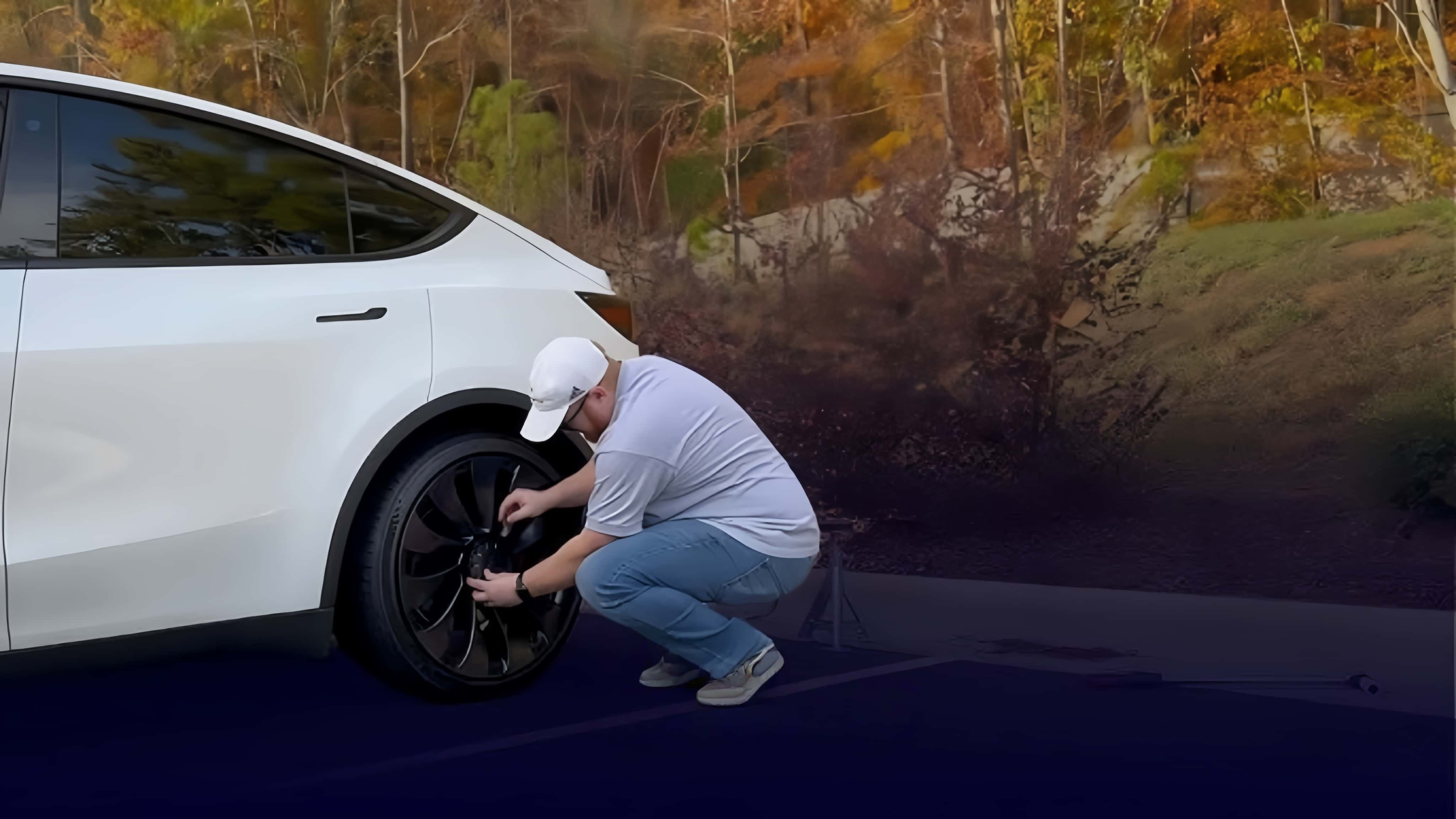
Why Are Spare Tires Disappearing?The question remains: Why are automakers choosing to forgo spare tires in the first place?
First, it’s about weight. Spare tires add weight to a vehicle, and that weight directly impacts fuel economy and, in the case of EVs, range. Automakers have strict fuel efficiency and range targets, so reducing weight wherever possible is a priority.
This also applies to electric vehicles. Reducing weight helps improve range, and more importantly, automakers can market this as a key feature.
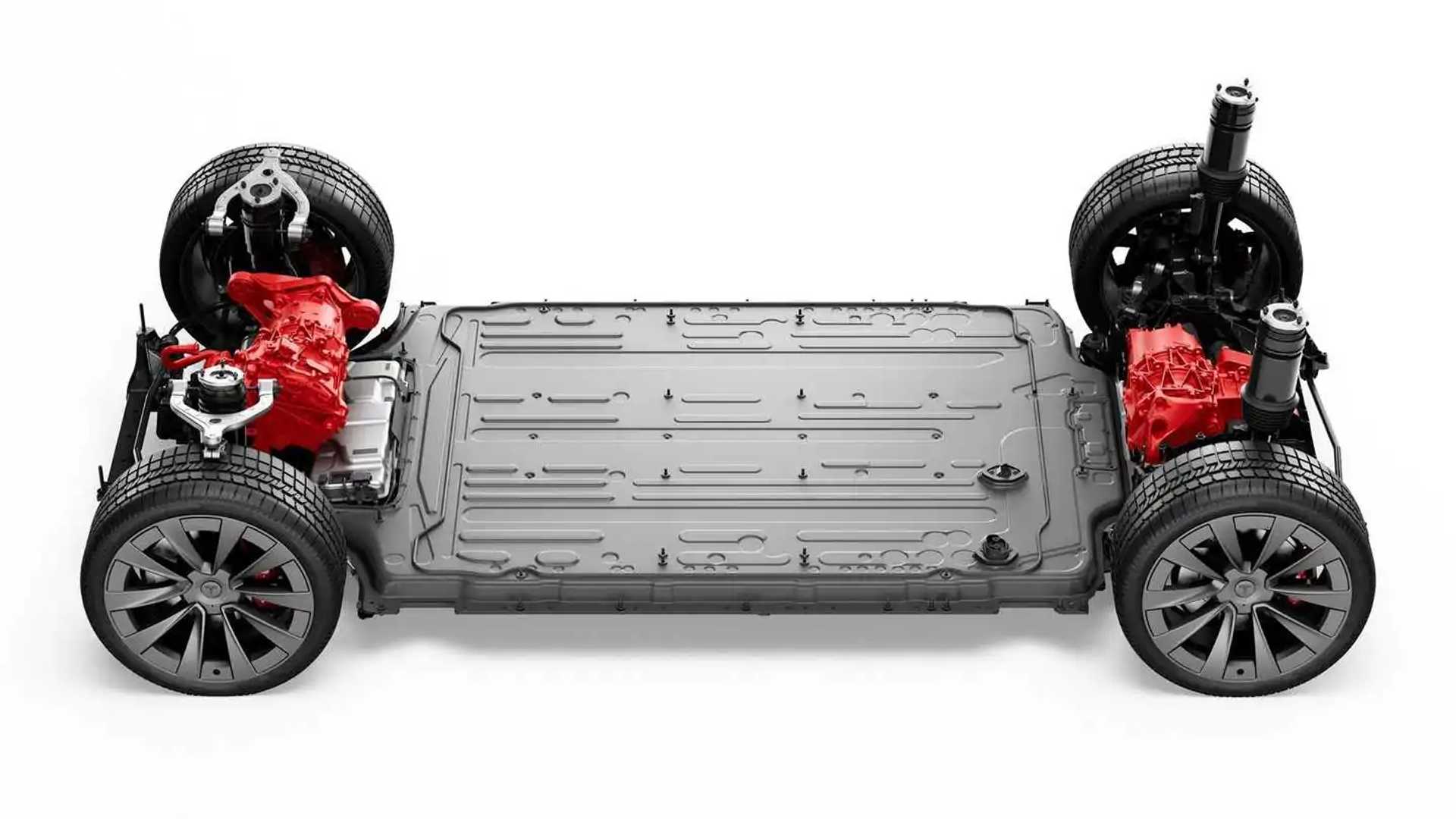
Another reason is space constraints. EVs often use flat, skateboard-like platforms, leaving limited space for traditional spare tire storage, whether full-sized or compact. EV manufacturers are prioritizing battery placement over spare tire storage, given that the battery takes up much of the available space beneath the vehicle.
Is There Hope for Spare Tires in EVs?
Despite this trend, all is not lost. Some automakers are starting to realize that off-road enthusiasts still want a spare tire. The Chevrolet Silverado EV, GMC Hummer EV, Ford F-150 Lightning, Rivian R1T, and others offer either a compact or full-size spare tire. Tesla’s Cybertruck even allows for one, but it sacrifices bed space to accommodate it.
As EVs continue to evolve, especially those targeted at outdoor enthusiasts, it’s likely that more will offer the option of a spare tire. Manufacturers like Rivian, with its upcoming R2 and R3 models, may offer this feature for those who want a capable off-road vehicle that doesn’t leave them stranded in the middle of nowhere.
Until then, many off-road enthusiasts may need to get creative. Some third-party companies are already providing spare tire solutions, though they typically take up the entire cargo space. For those serious about off-roading, this is a temporary solution, but it shows there’s a demand for spare tire accommodations in the EV market.