Solid-state batteries have long been hailed as the game-changer in the electric vehicle (EV) industry, with promises of dramatically longer driving ranges and improved safety. But despite two decades of research and development, these advanced batteries seem to be stuck in the lab. So, what's holding them back? And how far are we from seeing solid-state batteries powering our cars?
A Revolutionary Leap for EVs
Over the past 20 years, solid-state batteries have been touted as a breakthrough in the EV market. The promise of over 600 miles of driving range and reduced fire risk has caught the attention of both manufacturers and consumers. Unlike traditional lithium-ion batteries, which use liquid electrolytes to carry charge between the anode and cathode, solid-state batteries replace this liquid with a solid electrolyte. This change offers several key advantages: greater energy density, faster charging, improved safety, and better thermal stability.
In theory, these improvements could eliminate many of the persistent problems of today's EVs, such as range anxiety, long charging times, and fire risks, while ensuring that electric vehicles remain just as practical and convenient as gasoline-powered cars—without the harmful emissions that contribute to air pollution and health issues.
Challenges to Commercialization
However, the path to large-scale solid-state battery production has not been smooth. The primary hurdle remains scalability—the ability to mass-produce these batteries at a competitive cost. According to Siyu Huang, CEO of battery startup Factorial, scaling up solid-state battery production is the main challenge facing the industry. “We are making breakthroughs to bring them closer to automotive applications,” she says, but this process is gradual.
Solid-state batteries face several manufacturing challenges, including the need for entirely new production lines and processes. The current infrastructure for lithium-ion battery production has been highly optimized, but shifting to solid-state technology requires major changes in the way batteries are manufactured. This transition is similar to the leap from inkjet to laser printing or from copper wires to fiber optic cables.
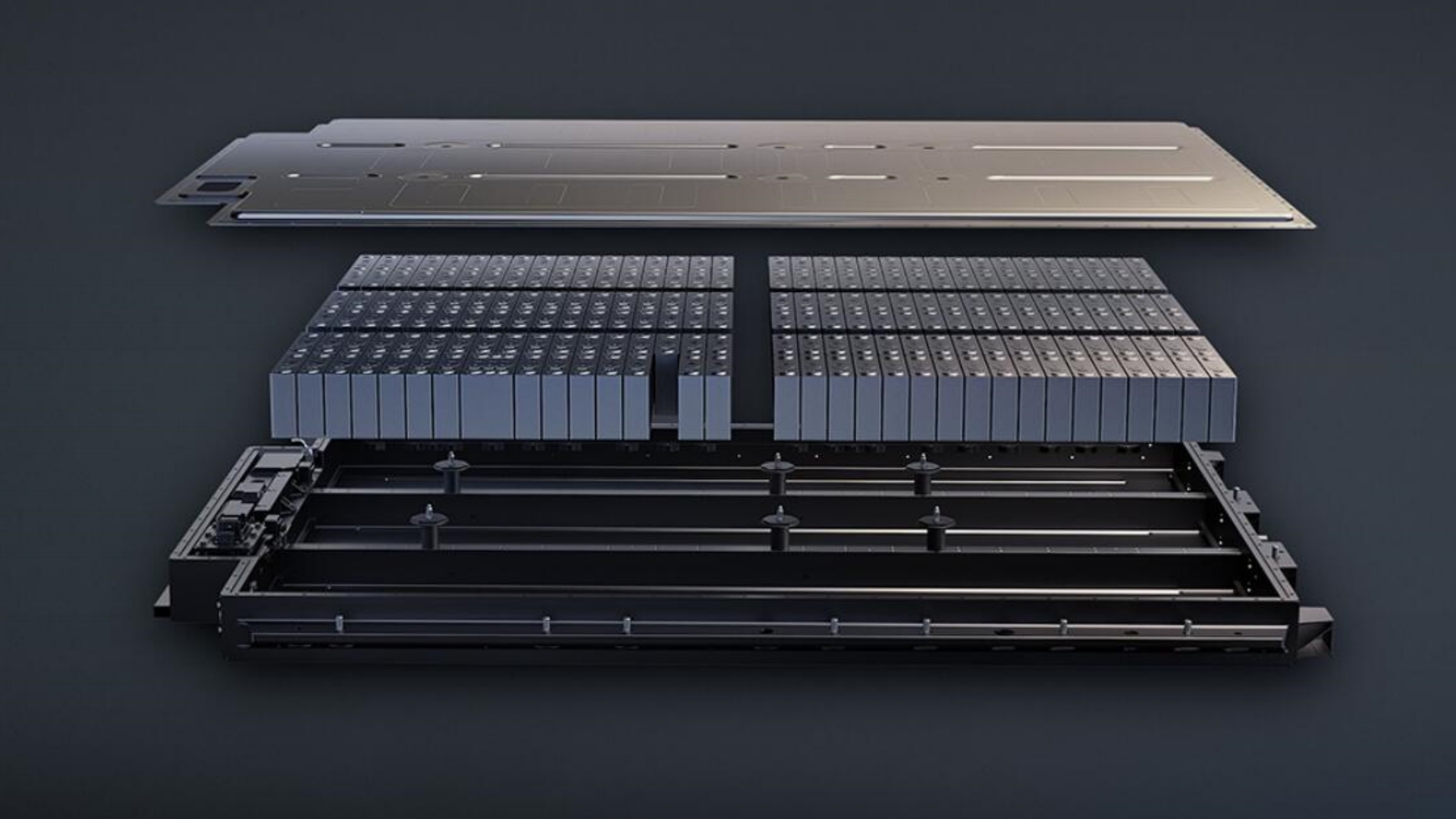
Semi-Solid-State Batteries
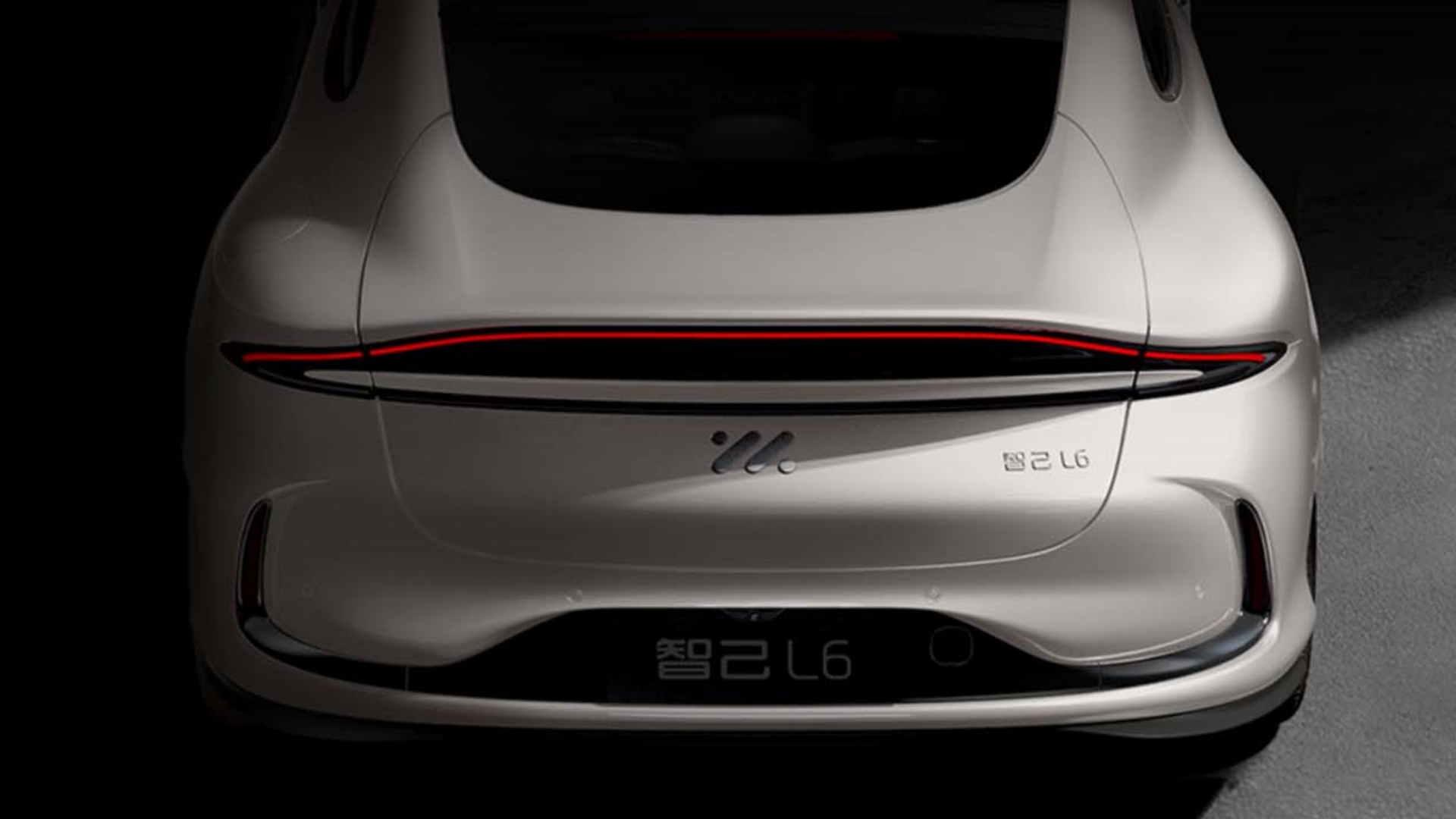
One promising development is the rise of semi-solid-state batteries, which use a gel-like electrolyte rather than a full liquid or solid one. This hybrid technology combines the benefits of solid-state chemistry with the manufacturing scalability of traditional lithium-ion batteries. Semi-solid-state batteries have already entered the market in China, with vehicles like the NIO ET7, SAIC Zhiji L6, Dongfeng E70, and others featuring these advanced battery systems.
In fact, the penetration of semi-solid-state batteries into the Chinese market has been significant since 2024, with major automakers such as GAC Aion, Changan Deepblue, and Geely planning to equip their vehicles with these batteries by 2025. Industry giants like CATL, EVE Energy, and Guoxuan have also ramped up their efforts to develop semi-solid-state technology, accelerating the mass production process.
Solid-State Battery Progress in China
As of 2024, China has seen notable progress in the semi-solid-state battery sector. Major automakers have already incorporated these batteries into their production lines. The NIO ET7, for example, features a 150 kWh semi-solid-state battery, offering a range of 554 miles (892 km) on a single charge. Other models like the Dongfeng Lantu ZhiGuang and the Seres 5 are also pioneering this technology.
This push toward semi-solid-state battery integration is part of a broader trend. Leading Chinese companies, including CATL, are investing heavily in the next generation of solid-state technology. By 2026, SAIC Group aims to begin mass production of solid-state batteries based on polymer-inorganic composite electrolyte technology. These batteries will offer greater energy density—over 400 Wh/kg—and volume energy density exceeding 820 Wh/L. In addition to providing a longer range, these batteries will also feature better safety, ensuring that they won’t catch fire or explode even under extreme conditions, such as punctures or temperatures as high as 200°C.
What’s Next for Solid-State Batteries?
The road to full commercialization of solid-state batteries is long, but significant strides are being made. Companies like Factorial have already developed prototype solid-state batteries, with a reported energy density of 450 Wh/kg, which could double the range of today’s EVs. However, scaling up production is a major hurdle. Factorial's CEO Huang states that the company is currently refining its production processes, with an 85% yield rate on their test lines—a notable achievement given that most large production lines target a yield rate of over 95%.
In the short term, semi-solid-state batteries will likely serve as a bridge to full solid-state technology. While they don’t yet offer the same energy density or safety improvements as their solid-state counterparts, semi-solid-state batteries are easier to produce and are already in use in several vehicles, particularly in China.
A New Era of Battery Technology
As the EV industry pushes toward mass adoption, the development of solid-state and semi-solid-state batteries will be key to solving many of the current challenges in electric mobility. With improved energy density, faster charging, and greater safety, these batteries could ultimately transform the landscape of EVs, making them more accessible, more practical, and safer than ever before.