Volkswagen has quietly crossed a threshold that few expected to arrive this soon: in its home market of Germany, the automaker is now taking in more orders for electric vehicles than for gasoline and diesel models combined. For a brand that built its identity — and much of its factory footprint — around combustion engines, that shift is reshaping how and where Volkswagen builds cars.
Why This Shift Matters
Germany is not a minor data point. It's the largest car market in Europe, and Volkswagen has long been one of its top-selling brands. A change of this scale in Volkswagen's best market suggests other parts of Europe could follow a similar pattern in the coming months, particularly as EV pricing and charging infrastructure continue to mature across the continent.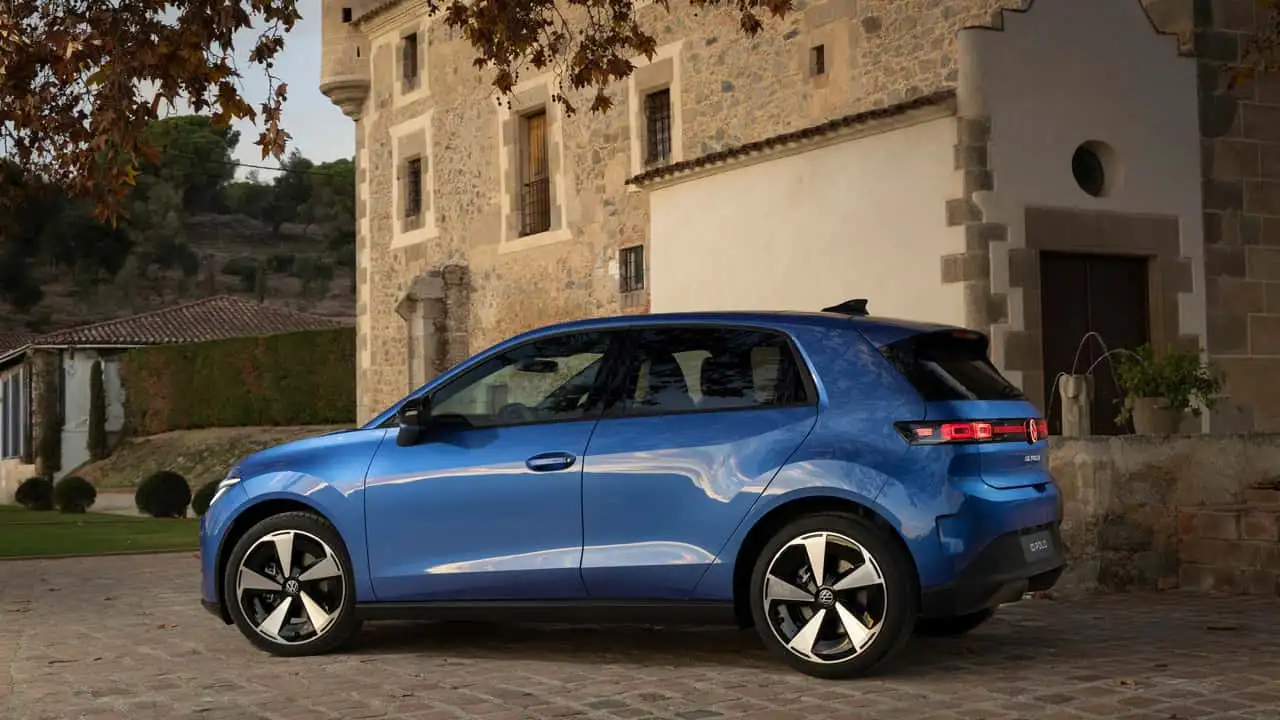
What's Driving the Demand
According to reporting from the German outlet Automobilwoche, Volkswagen is now fielding more orders for its electric lineup than for gas and diesel vehicles. Industry coverage points to a mix of factors behind the surprise surge, most notably rising fuel prices, which have made the total cost of owning an EV more competitive for everyday drivers. Volkswagen's newer electric models also arrive with respectable range, faster charging capability, and reasonably competitive pricing — a combination that appears to be winning over buyers faster than the company itself anticipated.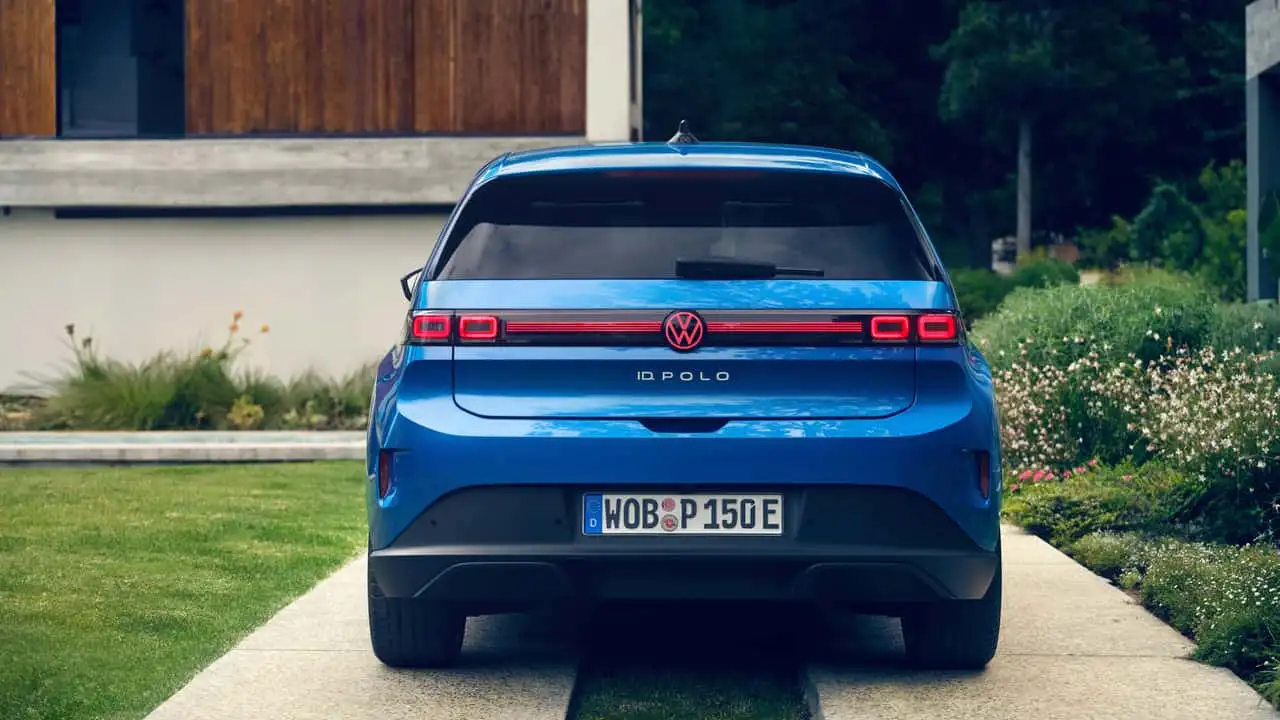
How Volkswagen Is Adjusting Production
The Breakout Model: ID. Polo
The Profitability Question
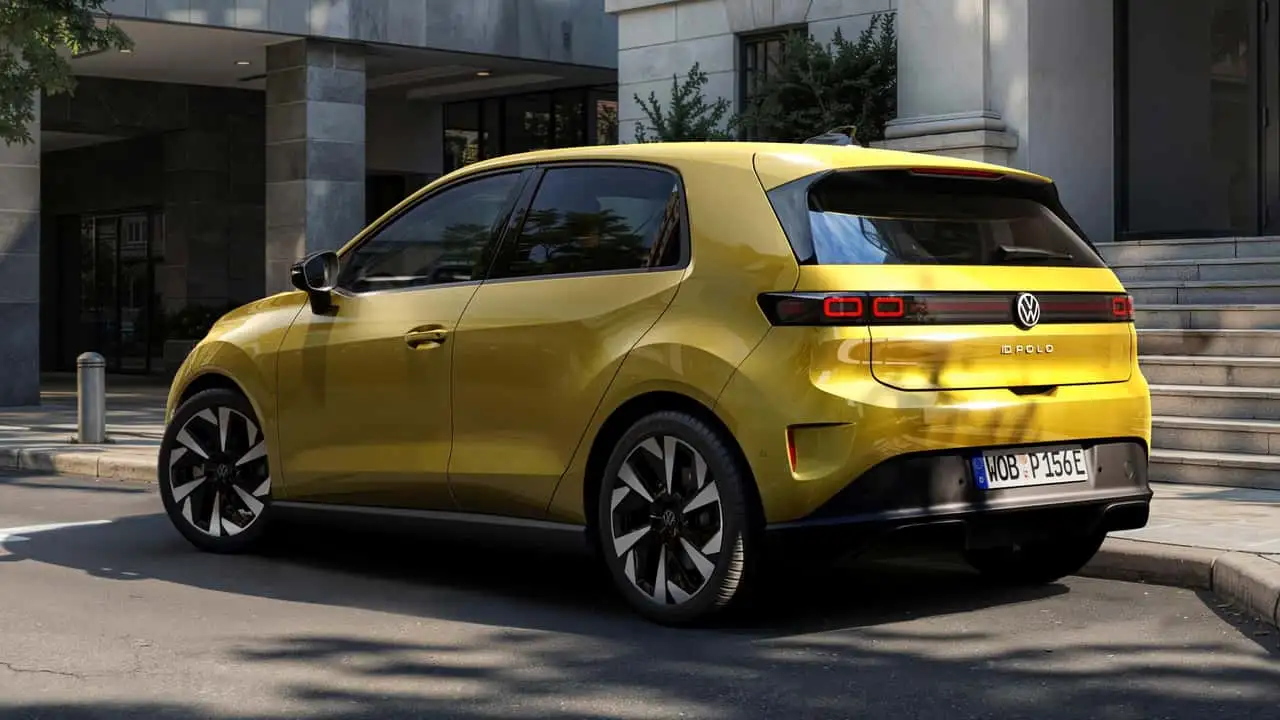
Strong order numbers don't automatically solve Volkswagen's financial picture. Electric vehicles still generate thinner profit margins than comparable combustion models, meaning the company needs sustained, high-volume EV sales — not just a short-term spike — to make the transition pay off. That pressure is likely part of why Volkswagen is watching its upcoming city EV, expected to be badged ID. up!, so closely. A smaller, budget-oriented EV built for the entry-level segment could tap into exactly the kind of affordable-EV demand that's already fueling the ID. Polo's early success.
What It Means for EV Owners and Buyers
For drivers watching from outside Germany, this shift is a useful signal rather than a direct policy change. It suggests automakers are increasingly confident that mainstream buyers — not just early adopters — are ready to go electric when the price, range, and charging experience line up. As more affordable, well-equipped EVs like the ID. Polo and its siblings reach broader markets, the practical side of ownership — including reliable home and portable charging — becomes an increasingly relevant part of the buying decision for everyday drivers.
Key Takeaway
Volkswagen's EV orders now outpace its combustion orders in Germany, a shift that's already reshaping production schedules at plants like Wolfsburg, Emden, and Zwickau. Affordable models like the ID. Polo are leading the charge, even though profitability on EVs still lags behind gas-powered cars. Whether this marks a lasting trend across Europe — or a temporary reaction to rising fuel costs — will likely become clearer as Volkswagen's next wave of budget EVs, including the anticipated ID. up!, reaches the market.