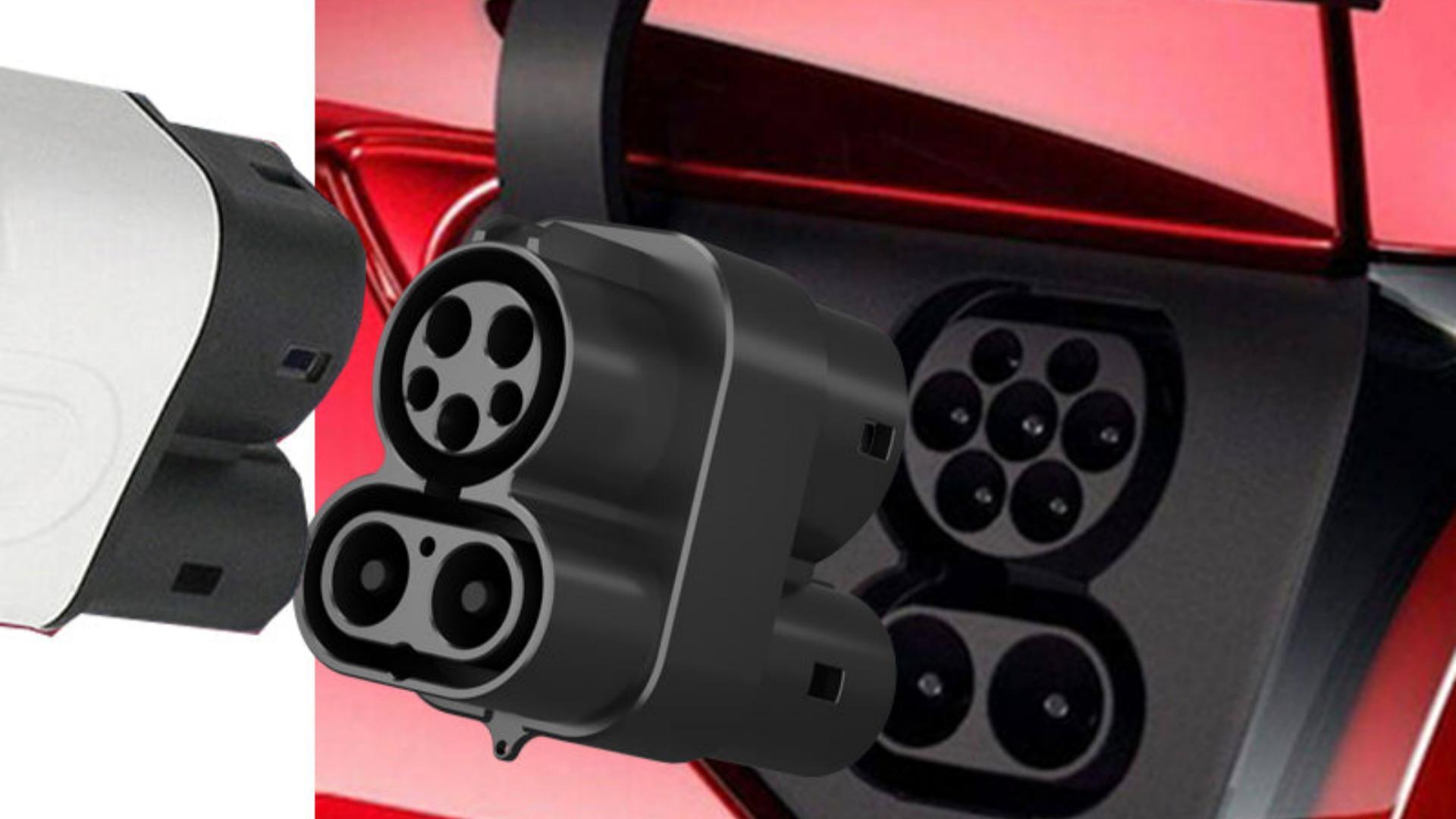
Simplifying EV Charging: Everything You Need to Know About CCS 1 to CCS 2 Adapters
Are you looking for a CCS 2 to CCS 1 adapter to bridge the gap between different EV charging standards? You’re not alone. CCS 2 is the European standard, which means you might face challenges charging a vehicle with a CCS 1 port, such as a Ford F-150 Lightning or a Rivian R1S, at a CCS 2 fast-charging station in Europe.
This blog will guide you through everything you need to know about CCS 2 to CCS 1 fast-charging adapters, their differences, the benefits of CCS 1, how to use these adapters, and where to find reliable ones.
What is a CCS 1 Charger?
CCS 1, primarily used in North America, is a charging connector that combines a standard Type 1 connector with additional pins for enhanced DC charging capabilities. This connector allows for both regular AC charging and DC fast charging. Once your vehicle is equipped with a CCS 1 connector, you can easily charge for long trips or quick top-ups.
What is a CCS 2 Charger?
CCS 2, or Combined Charging System 2, is Europe’s standard, adding DC fast charging pins around a Type 2 connector. CCS 2 is designed to meet the higher capacity needs for fast charging in European countries. Most new EVs in Europe and many newer charging stations use CCS 2, making it the standard connector across the continent.
Differences Between CCS 1 and CCS 2
Geographical Use: CCS 1 is the primary standard in North America (including the US and Canada), while CCS 2 is used in Europe. These standards stem from regional EV charging needs and regulations.
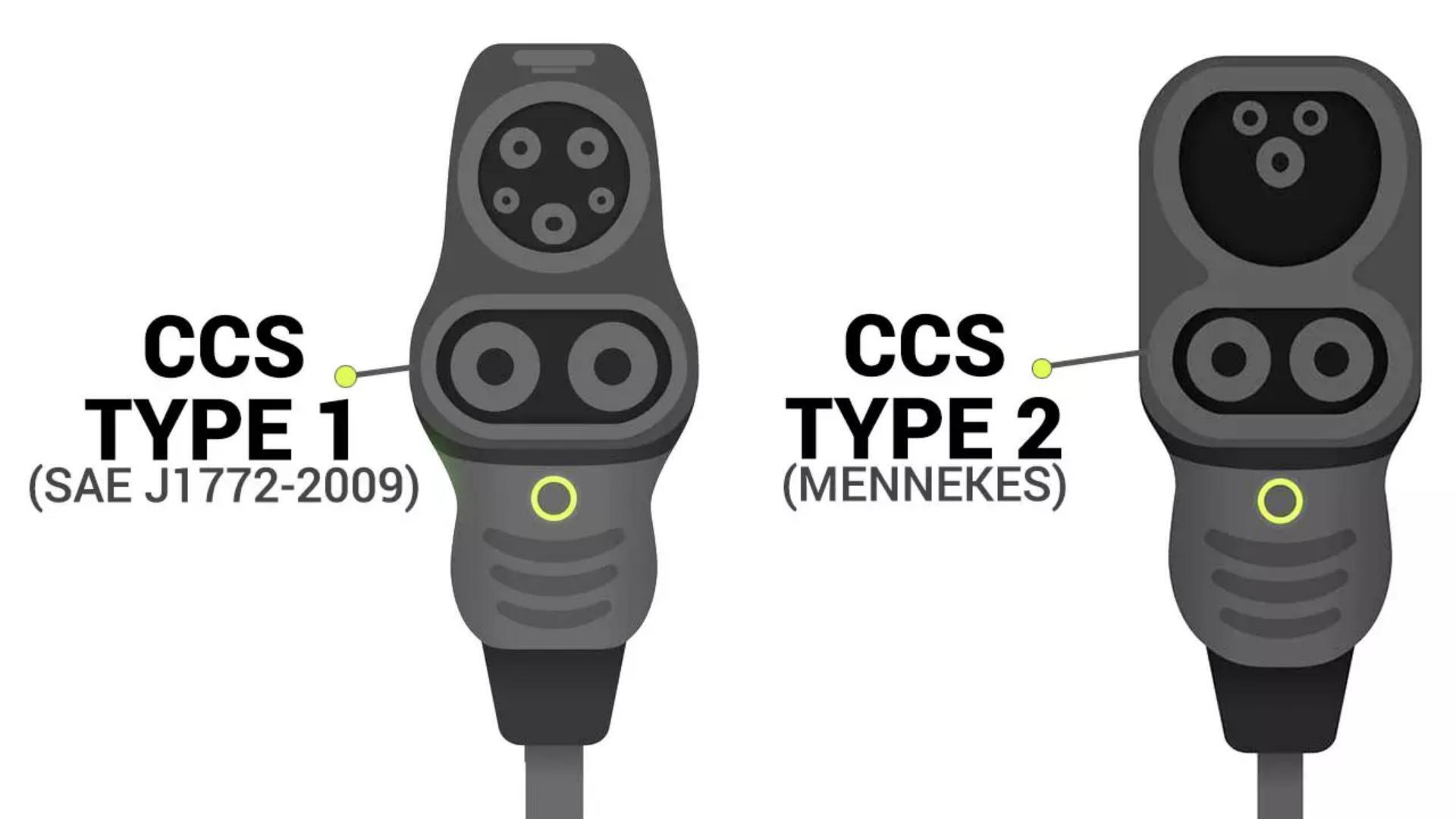
Connector Design: CCS 1 uses a Type 1 connector with additional DC pins, suitable for North American terminals. CCS 2 uses a Type 2 connector with DC pins, compatible with European charging stations.
AC Charging: In AC charging, CCS 1 uses Type 1 chargers in North America, while CCS 2 uses Type 2 chargers in Europe. CCS 2 supports three-phase charging, delivering up to 22 kW of power, whereas CCS 1, following North American standards, supports single-phase charging with a maximum power of 7 kW.
Vehicle Compatibility: Vehicles or Electric motorcycle with CCS 1 connectors are made for the North American market, while CCS 2 connectors are for the European market. To bridge this gap, you can use a CCS 2 to CCS 1 adapter, allowing you to charge your vehicle at any charging station, regardless of the connector type.
No Power Limitation: The adapter does not limit the power capacity you can use. It’s rated for 500 amps and 1000 volts, with power output up to 250 kW.
100% EU Charging Station Compatibility: This adapter ensures you can use any CCS 2 charging station during your travels in Europe without worrying about finding the right charging option.
Lightweight and Portable: Despite its versatility, the adapter is lightweight and easy to carry, weighing only 1 kilogram.
Durable: Made from high-quality materials, this adapter is designed to withstand daily use and various weather conditions, ensuring long-lasting reliability.
Dual Charging Networks: With this adapter, you can use both AC and DC charging networks with the same device, whether at a Type 2 or CCS 2 charging station. However, remember that CCS 1 vehicles cannot use three-phase charging in AC mode, so the maximum charging power is 7 kW.
Purchasing a reliable CCS 2 to CCS 1 adapter is crucial to ensure optimal performance and durability. You can order a premium adapter from MCEVKELN’s website, where we offer 24/7 customer service and free next-day delivery on business days. We also offer CCS 1 to CCS 2 adapters, enabling European cars to use CCS 1 fast charging in North America. Don’t let your EV sit idle due to charging incompatibility—order your adapter today!If you have any questions, feel free to contact us.