Revolutionizing Energy Storage: Sodium-Ion Battery with Rapid Charging Capability
In a groundbreaking development reported on April 19th by the Korea Advanced Institute of Science and Technology (KAIST), scientists have engineered a sodium-ion hybrid battery capable of completing charging within seconds. This innovation combines commonly used anode materials in batteries with cathode materials suitable for supercapacitors, resulting in a high-energy, high-power sodium-ion hybrid battery. The potential applications of this battery extend to electric vehicles, smart electronic devices, aerospace technology, and more, offering a promising alternative to lithium-ion batteries. The research findings were published in the latest issue of the "Energy Storage Materials" journal.
Sodium, with its reserves exceeding lithium by over 500 times in nature, has garnered increasing attention in recent years for sodium-ion battery technology. However, existing sodium-ion batteries suffer from several drawbacks, including low power output, limited storage characteristics, and long charging times. In this latest research, scientists have developed a sodium-ion hybrid battery capable of rapid charging.
This sodium-ion hybrid energy storage system integrates conventional battery anode materials with cathodes suitable for supercapacitors. While conventional battery anodes store energy slowly, the cathode materials for supercapacitors typically have lower capacitance. To enhance the energy storage speed and increase capacity, the research team optimized the synthesis of these materials using two different metal-organic frameworks.
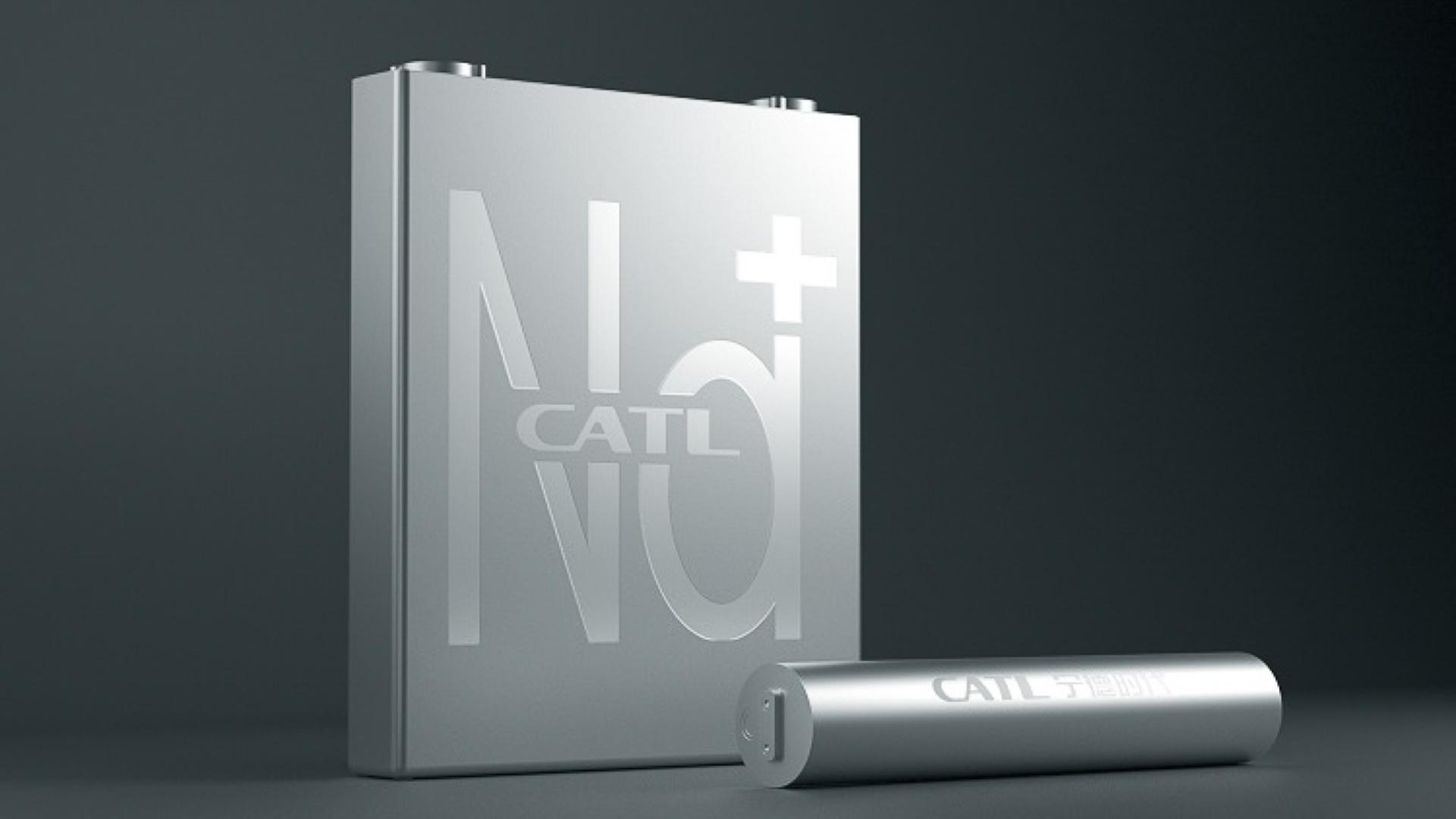
By incorporating fine active materials into porous carbon within the metal-organic frameworks, the research team developed superior anode materials with enhanced kinetic performance. They also synthesized high-capacity cathode materials and minimized the differences in energy storage rates between the cathode and anode, resulting in this hybrid sodium-ion energy storage device with high storage capacity and rapid charge-discharge rates. It holds the potential to become a viable alternative to lithium-ion batteries.
The new battery can achieve rapid charging within seconds, with an energy density of 247 watt-hours per kilogram and a power density of 34,748 watts per kilogram. Even after undergoing 5000 charge-discharge cycles, the Coulombic efficiency remains close to 100%. This battery can find wide-ranging applications in mobile electronic devices, electric vehicles, large-scale grid systems, and various other fields.