Non-Tesla Electric Vehicles Now Charging at Tesla Superchargers: Complete List and Updates
Tesla’s Supercharger network, once a privilege reserved solely for Tesla owners, is now open to a growing number of non-Tesla electric vehicles (EVs). Starting in February 2024, Ford became the first major automaker to allow its EVs to use the Supercharger network, widely regarded as the best and most reliable DC fast-charging infrastructure in North America. Since then, more manufacturers—including Rivian, General Motors (GM), and others—have followed suit. This move is a massive win for non-Tesla EV owners, especially those who frequently travel long distances and need access to Tesla's expansive network of over 17,000 Superchargers across the U.S.
If you’re wondering which non-Tesla vehicles can now charge at Tesla Superchargers and how this works with the new charging standards, you’re in the right place. This post will break down which models are eligible, how adapters work, and what you need to know about Tesla’s North American Charging Standard (NACS) connector, which is being adopted by a growing number of automakers. Please note that this information applies to North America, as regions like Europe, Japan, and China use different charging standards.
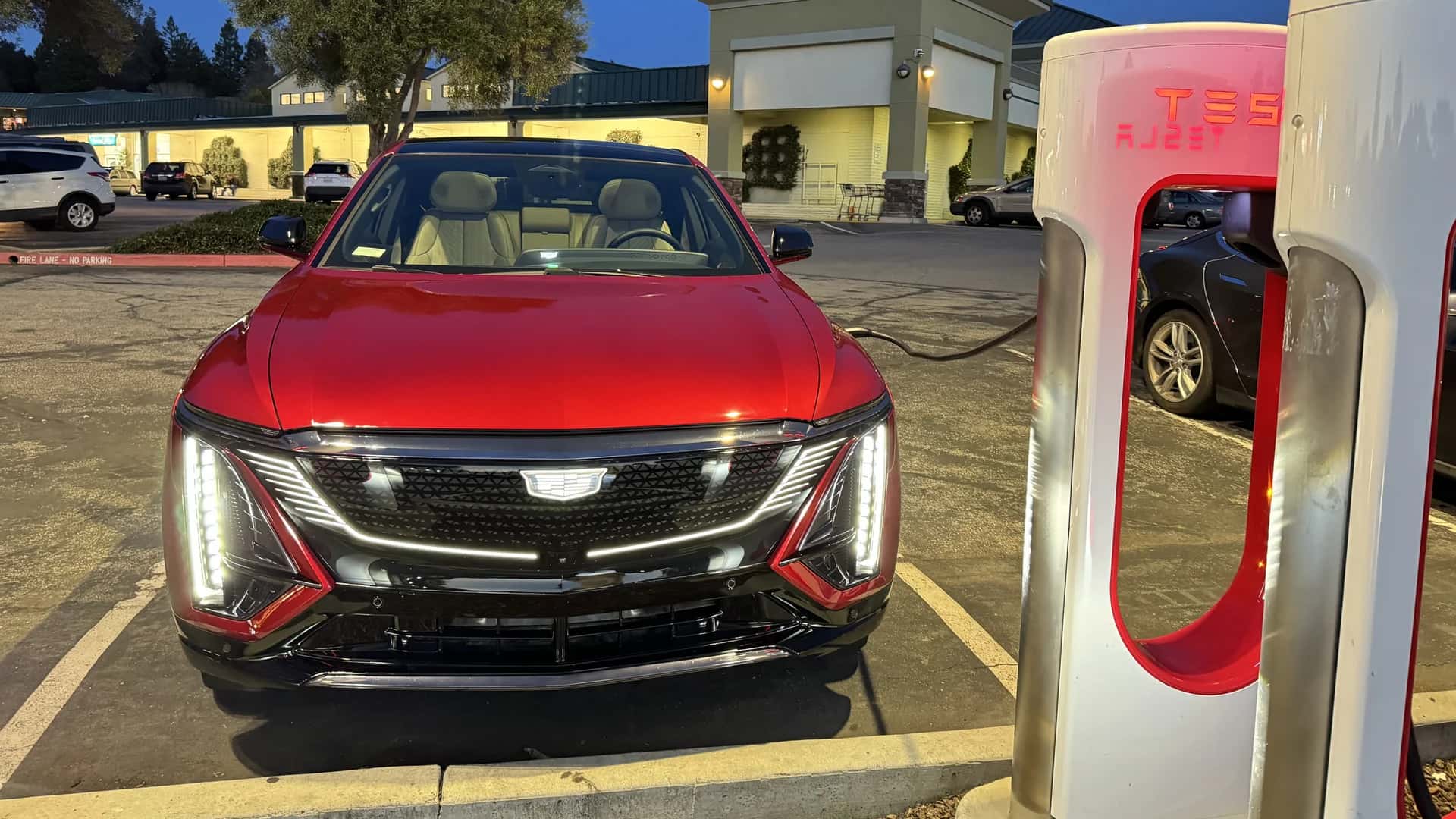
How Ford, Rivian, GM, and Others Gained Access to Tesla Superchargers
Ford was the first major automaker to gain access to Tesla’s Supercharger network, beginning in February 2024. Ford owners now can charge their EVs at Tesla stations with an adapter provided by the company. Importantly, Ford plans to transition to the NACS connector in 2025 for all new EVs, meaning future models will be able to plug directly into Tesla Superchargers without needing an adapter.
Rivian quickly followed Ford’s lead. Rivian owners of the R1S and R1T trucks now also have access to Tesla’s Supercharger network, with the company offering free adapters for current vehicle owners. Starting in 2025, Rivian’s new models will come factory-equipped with NACS connectors, eliminating the need for an adapter at Tesla Superchargers.
General Motors (GM) announced its partnership with Tesla in 2024, with Chevrolet, GMC, and Cadillac EVs slated to begin using the Supercharger network starting in 2025. GM will sell official NACS adapters for its existing EV owners, and future models will come with NACS connectors straight from the factory.
With more automakers on the horizon—like Kia, Hyundai, and Volvo—joining Tesla's Supercharger network, the number of non-Tesla EVs that can charge at Tesla Superchargers is set to expand rapidly. Now, let’s look at which specific EV models can use Tesla Superchargers today, as well as the upcoming models that will be able to charge there in the near future.
| Brand |
Model |
Not Including |
| Ford |
Ford E-Transit |
Ford Focus and Other Hybrid(PHEV) |
| Ford Mustang Mach-E |
| Ford Mustang Mach-E |
| Rivian |
Rivian R1S |
Rivian Electric Commercial Van |
| Rivian R1T |
| Chevrolet |
Chevrolet Bolt EV |
Silverado EV(WT)、Chevrolet Spark EV、Chevrolet Volt |
| Chevrolet Bolt EUV |
| Chevrolet Equinox EV |
| Chevrolet Blazer EV |
| Chevrolet Silverado EV |
| GMC |
GMC Sierra EV |
|
| GMC Hummer EV |
| Cadillac |
Cadillac Lyriq |
|
| Cadillac Optiq |
| Cadillac Escalade IQ |
| Cadillac Celestiq |
| Cadillac Vistiq |
| Volvo |
Volvo EX40 |
Volvo EX30 And Other Hybrid(PHEV) |
| Volvo EC40 |
| Volvo EX90 |
| Polestar |
Polestar 2 |
|
| Polestar 3 |
| Polestar 4 |
Upcoming Models with Tesla Supercharger Access
Several automakers have announced plans to integrate NACS connectors into their future electric vehicles, meaning that by 2025, many more models will be able to charge at Tesla Superchargers. Here’s a look at what’s coming:
Kia (2025)
Kia Niro EVKia EV6Kia EV9
Hyundai (2025)
Hyundai’s 2025 models will come with NACS connectors from the factory. Existing Hyundai Ioniq 5, Ioniq 6, and Ioniq 9 owners can use an adapter starting in early 2025.
Hyundai Ioniq 5Hyundai Ioniq 6Hyundai Ioniq 9Hyundai Kona EV
Genesis (2025)
The luxury arm of Hyundai will begin offering NACS connectors for its upcoming electric models starting in 2025.
Genesis GV60Genesis GV70 ElectricGenesis G80 ElectricGenesis Celestiq
Lucid Motors (2025)
Lucid has announced that its future vehicles, including the Lucid Gravity SUV, will come with NACS connectors from the factory, and Lucid Air owners will be able to use Tesla Superchargers starting in 2025.
Other Automakers Joining in 2025:
Afeela (Sony and Honda's electric vehicles)BMW Group (BMW, Mini, and Rolls-Royce)HondaJaguarLexusMazdaMercedes-BenzNissan (Ariya)Stellantis (2025)Subaru (2025)Toyota (2025)Volkswagen Group (2025) (Audi, Porsche, Volkswagen)
Using Adapters for Tesla Superchargers
For EVs with the Combo Charging System 1 (CCS1) connector, an adapter is required to use Tesla Superchargers. These adapters are often provided by the automaker for free, but some manufacturers charge a fee for them. Third-party adapters are available, but they may not be officially supported by the automaker and could void warranties.
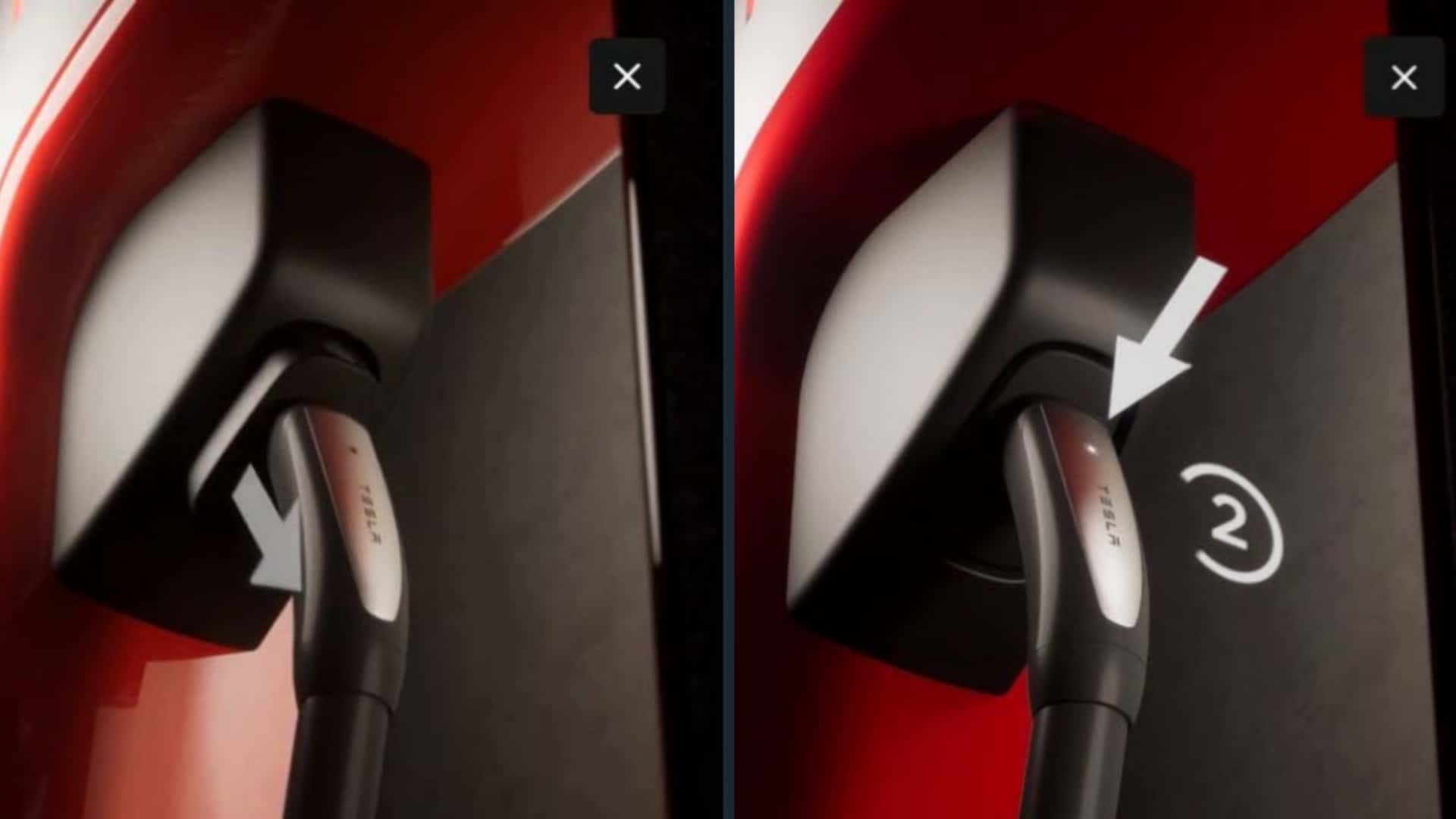
Tesla also has Magic Dock Superchargers in certain locations, which include a CCS1 adapter built into the station itself, making it easier for non-Tesla EVs to plug in directly.
The Future of Charging for Non-Tesla EVs
With more automakers adopting the NACS connector and allowing their customers to use Tesla’s Supercharger network, the charging landscape for non-Tesla EVs is evolving rapidly. By 2025, many more vehicles will be able to charge seamlessly at Tesla Superchargers, providing EV owners with better access to fast charging and making long road trips easier than ever before.