When installing an electric vehicle (EV) charger, it's important to use both a circuit breaker (air switch) and a residual current device (RCD). Here's a detailed guide on why you need both and the differences between various types of circuit breakers.
Why Do You Need Both Circuit Breakers and RCDs?
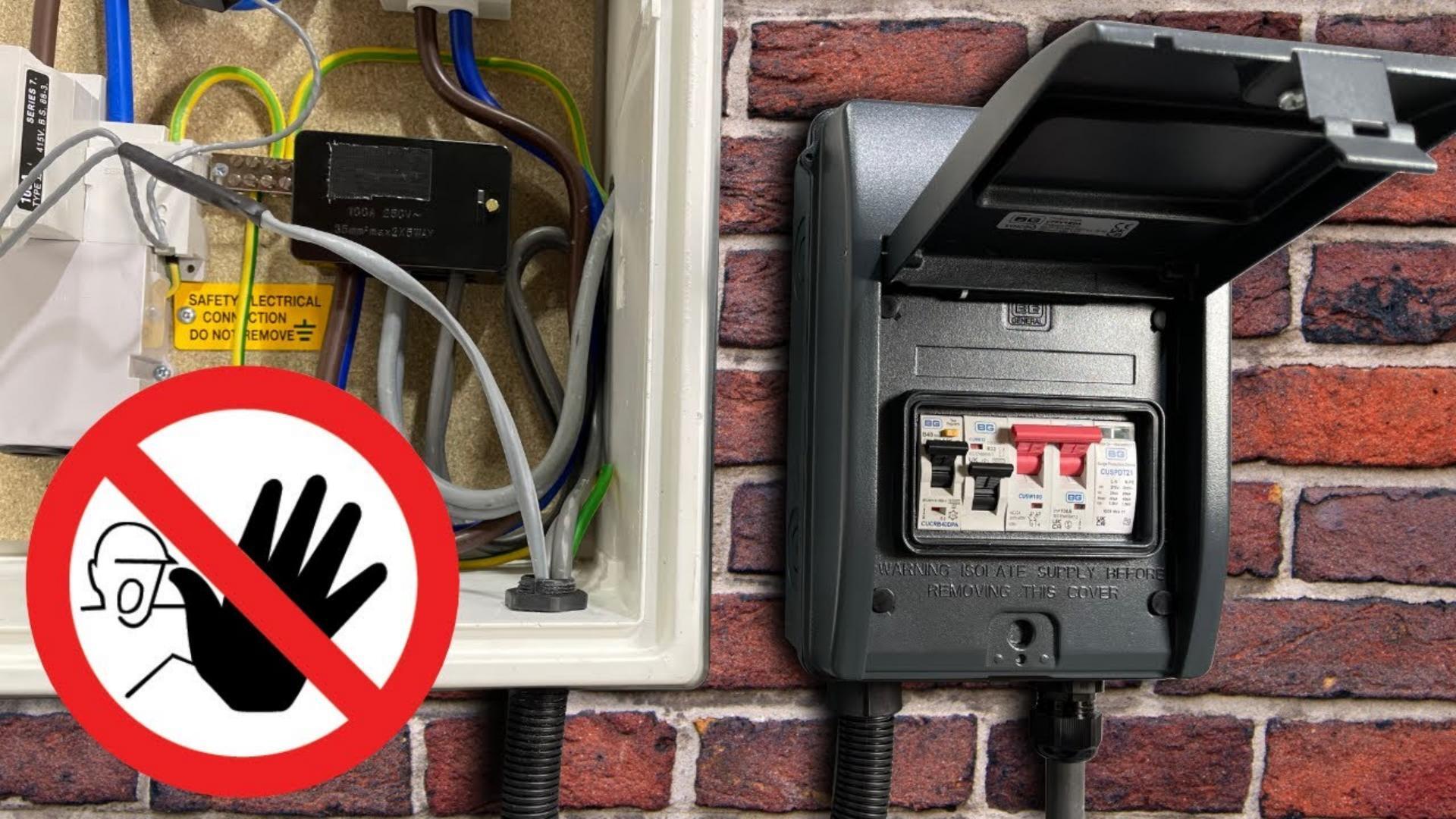
Circuit Breakers (Air Switches) are installed at the meter end. They protect electrical circuits from damage caused by overcurrent or short circuits. If the current flowing through a circuit exceeds the rated current, the circuit breaker will automatically disconnect the circuit to prevent damage.
Residual Current Devices (RCDs) are installed at the charger end. In addition to overcurrent and short circuit protection, RCDs provide protection against electric shock. They can detect even small leakages of current and disconnect the power supply, ensuring the safety of individuals by preventing electric shock.
Differences Between 1P, 2P, 3P, and 4P Circuit Breakers
1P (Single Pole):Connections: One connection terminal.Use: Suitable for controlling a single-phase "hot" wire.Application: Common in domestic circuits for single-phase power.2P (Double Pole):Connections: Two connection terminals, one for the hot wire and one for the neutral wire.Use: Controls one hot wire and one neutral wire.Application: Used for single-phase power with both hot and neutral wires.3P (Triple Pole):Connections: Three connection terminals, all for hot wires.Use: Controls three-phase 380V voltage circuits.Application: Suitable for industrial and commercial settings where three-phase power is used.4P (Four Pole):Connections: Four connection terminals, three for hot wires and one for the neutral wire.Use: Controls three-phase four-wire systems.Application: Used in settings where both three-phase power and a neutral wire are present, providing comprehensive protection.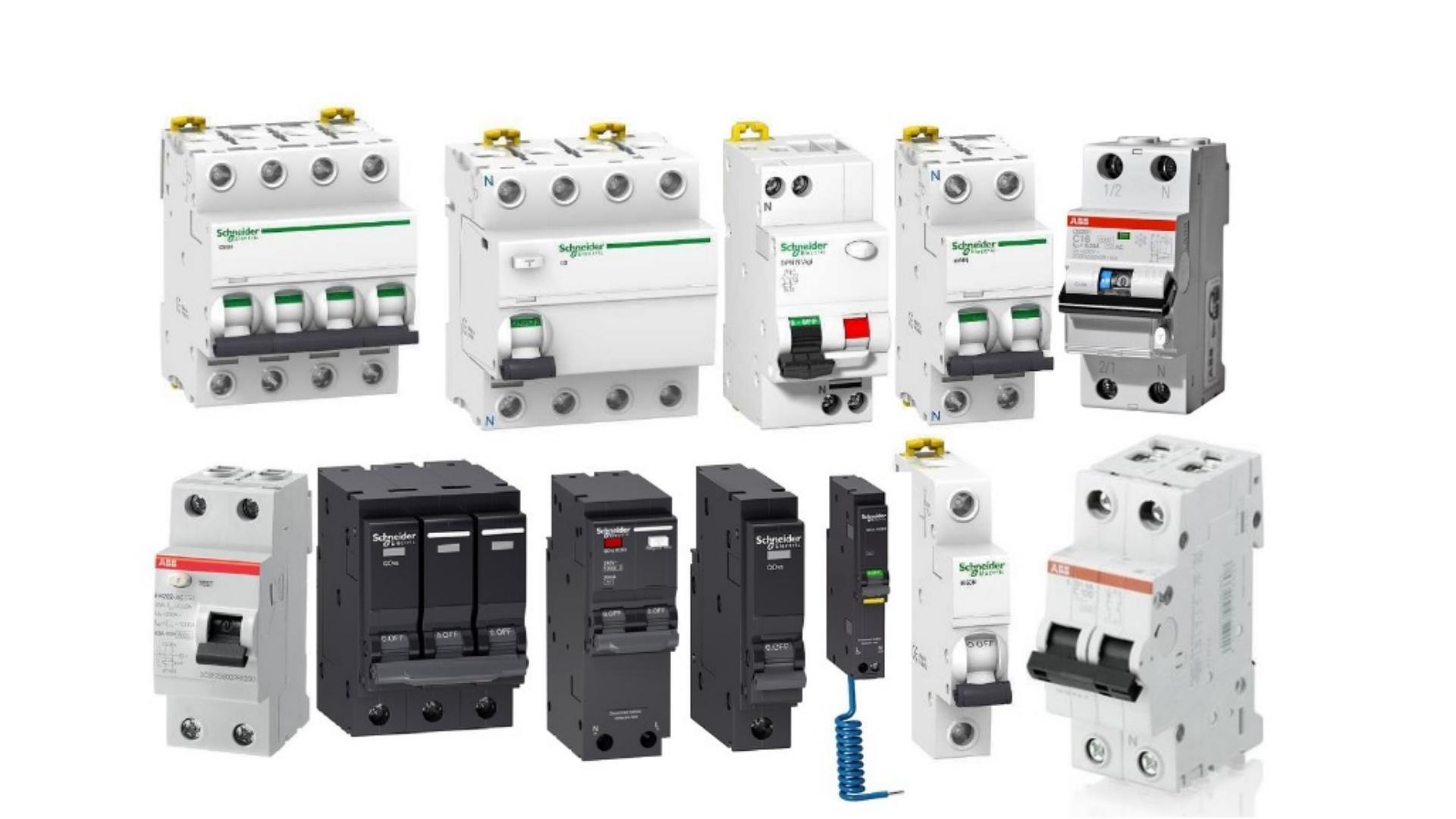
Practical Installation Tips
Location: Install the air switch (circuit breaker) near the meter to protect the circuit from overcurrent and short circuits.
Safety: Install the RCD near the charger to protect against electric shock. This device will cut off the power supply if it detects a current leakage, ensuring safety.
Selection: Choose the appropriate type of circuit breaker (1P, 2P, 3P, or 4P) based on your specific electrical system and the EV charger requirements.
When setting up an EV charger, ensuring both circuit protection and personal safety is crucial. Using both a circuit breaker and an RCD provides comprehensive protection, while understanding the differences between 1P, 2P, 3P, and 4P circuit breakers helps in selecting the right one for your needs. Proper installation and selection not only protect your charging equipment but also ensure the safety of users.