You’re probably quite familiar with smartphone charger adapters, but how much do you know about electric vehicle (EV) charger adapters? When you buy an electric car in Europe, you’ll likely pay more than if you bought the same model in China. These two cars have almost identical features and manufacturing processes. The only difference is the charging port. The EV you buy in Europe uses a CCS2 DC charging port, while the one bought in China uses a GBT DC charging port.
Key Differences Between GBT and CCS2 Charging
Regional Use: GBT is the standard in China, whereas CCS2 is widely used in Europe and other regions. Connector Design: GBT uses different connectors for AC and DC charging, while CCS2 uses a combined connector for both. Power Levels: Both standards support high-power DC fast charging, but the specific specifications may vary.

Why Do You Need a CCS2 to GBT Adapter?
China is the world’s largest producer of electric cars, and many EVs are imported to Europe. However, how can you drive a cheaper Chinese-imported EV in Europe? European countries use different types of connectors. This is where a CCS2 to GBT adapter comes in handy.
Here are some reasons why you might need a CCS2 to GBT adapter:
Cross-Border Travel: If an EV owner travels from a GBT-standard region (like China) to a CCS2-standard region (such as Europe, Australia, and South America), their vehicle may not be compatible with local charging infrastructure. Using an adapter allows them to use local charging stations without any issues.
Imported Vehicles: EVs imported from GBT regions to CCS2 regions might not have compatible charging ports. An adapter enables these imported vehicles to use local charging infrastructure.
Infrastructure Accessibility
Expanding Charging Options: In some areas, one type of charging station might be more prevalent than others. An adapter allows EV owners to use a broader range of charging stations, enhancing convenience and reducing range anxiety.
Legacy Support: As charging standards evolve, adapters can support older vehicles that might not be compatible with new charging stations.
Technical Interoperability
Connector Differences: CCS2 and GBT have different physical designs and electrical specifications. Adapters bridge these differences, ensuring effective communication and power transfer between vehicles and charging stations. Charging Speed: Adapters can help EV owners take advantage of different charging speeds offered by various standards, ensuring they can use the fastest charging option available, regardless of the vehicle or charging station standard.
Practical Scenarios
Fleet Operations: Companies with a mixed fleet of EVs from different regions can use adapters to standardize their charging infrastructure, reducing the need for multiple types of charging stations.
Public Charging Stations: Public charging station operators can offer adapters to accommodate a wider range of EVs, attracting more users and increasing charging station utilization.
In summary, CCS2 to GBT adapters are crucial for ensuring compatibility, expanding charging options, supporting legacy vehicles, and facilitating practical use of EVs across different regions and standards.
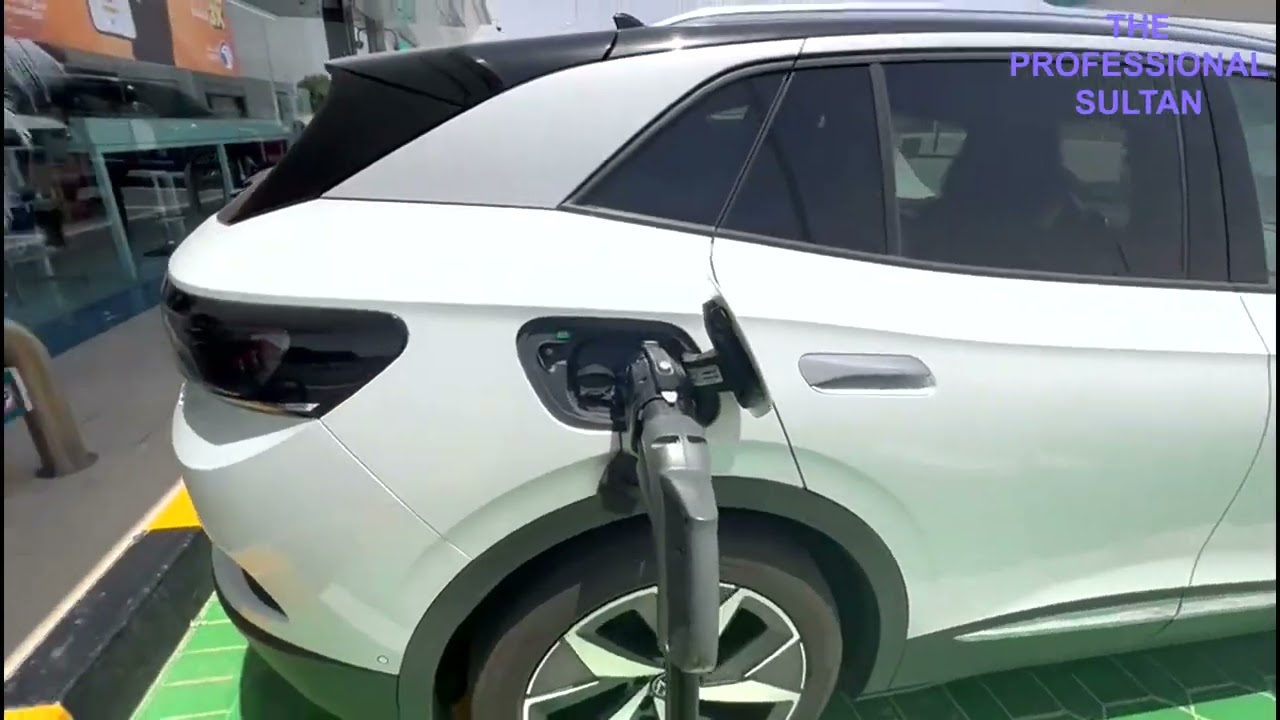
Should You Buy a CCS2 to GBT Adapter?
After some online research, it's clear that CCS2 to GBT adapters are not cheap, often costing up to $1,200. This means you need to pay an extra $1,200 to enjoy the benefits of fee-based DC charging stations. For the same price, you could buy a 40kW DC charger from Wattsaving. This means you could enjoy DC charging at home, provided your household has three-phase power. You wouldn't have to wait in line at public charging stations. Once you install a DC charger in your garage, you can charge your car and then go to sleep.