In a recent analysis, Goldman Sachs has highlighted various factors that could lead to a decline in electric vehicle (EV) battery prices, thereby stimulating demand for electric cars.

Analysts project that between 2023 and 2025, EV battery prices will drop by nearly 40%. Moreover, electric cars are expected to achieve a "breakthrough level of cost parity" with internal combustion engine vehicles in some markets as early as next year—without the need for subsidies. This is attributed to the reduction in material costs and the impact of current stagnation in electric car sales, allowing supply to catch up with demand.
Goldman Sachs has revised its forecast for global battery demand in 2024, lowering it from the previous 35% to 29%. This reduction alleviates pressure on the battery materials market, cooling demand for metals such as nickel and lithium, and contributes to lowering battery prices. Goldman Sachs notes that battery prices could amount to one-third of the total cost of electric vehicles. Analysts suggest that innovations in battery technology, including new solid-state materials and improved manufacturing processes, will further drive cost reduction.
The price of electric vehicle batteries surged in 2022, followed by a decline last year amidst fluctuations in material costs. However, the Department of Energy indicates that even with the rise in battery costs in 2022 (adjusted for inflation), it is part of a long-term downward trend.
Analysts predict that by 2025, battery prices will continue to decrease significantly, thereafter stabilizing to some extent. This trend could accelerate the uptake of electric vehicles, with Goldman Sachs analysts currently forecasting a 50% market share for electric cars in the United States and a 68% market share in the European Union by 2030.
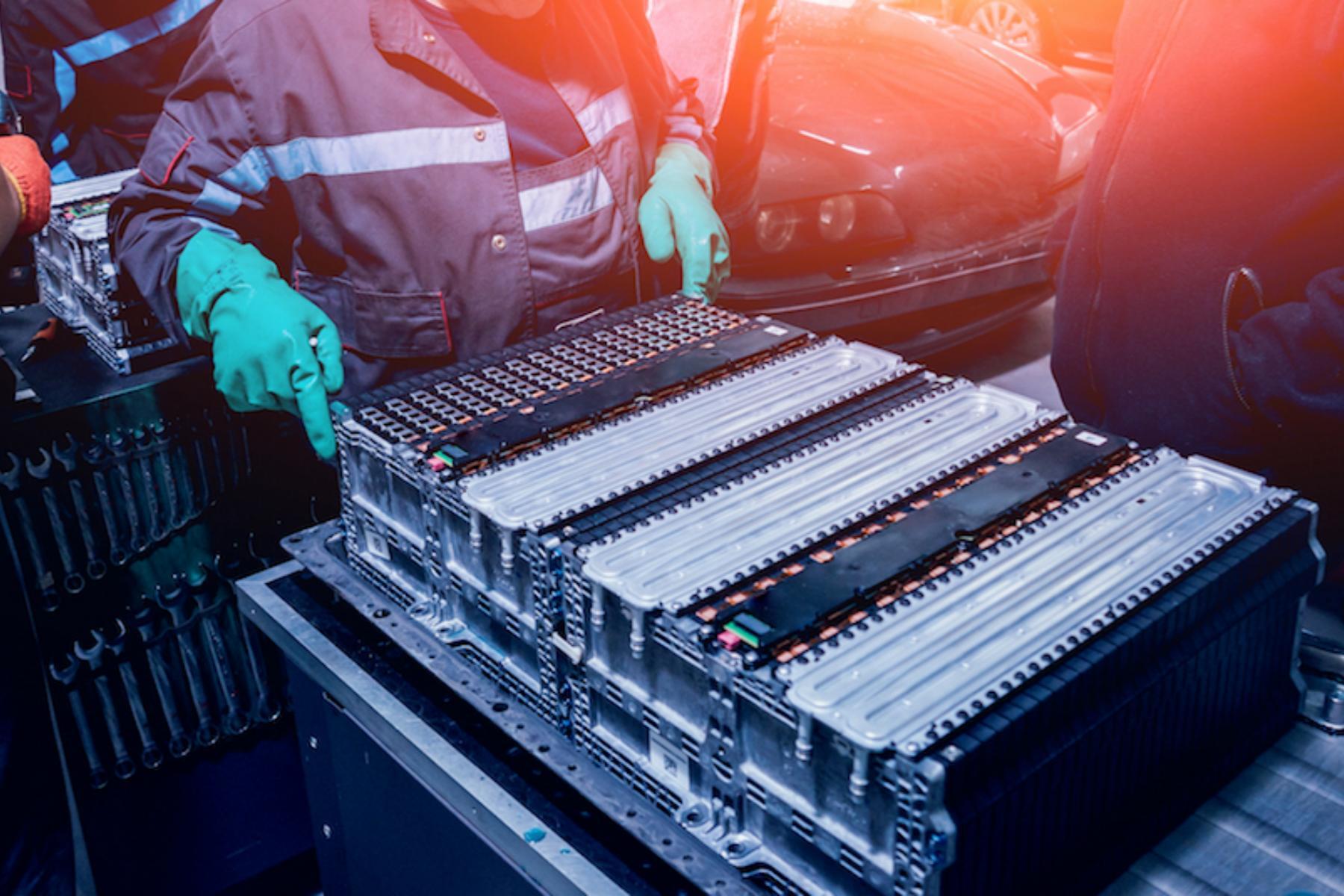
These projections align closely with recent forecasts from the International Council on Clean Transportation (ICCT). In their analysis released last month, the ICCT suggested that the increase in lithium supply could make electric cars cheaper than gasoline cars within a few years. However, large batteries in trucks and SUVs could potentially hinder this trend.
the electric vehicle market is poised for rapid growth, with the decline in battery prices providing a significant impetus. As technology advances and market demand grows, electric vehicles are set to become the dominant force in future transportation, offering cleaner and more sustainable travel options.