BYD’s First Electric K-Car Targets Japan in 2026 with Compact Design and Fast Charging Edge
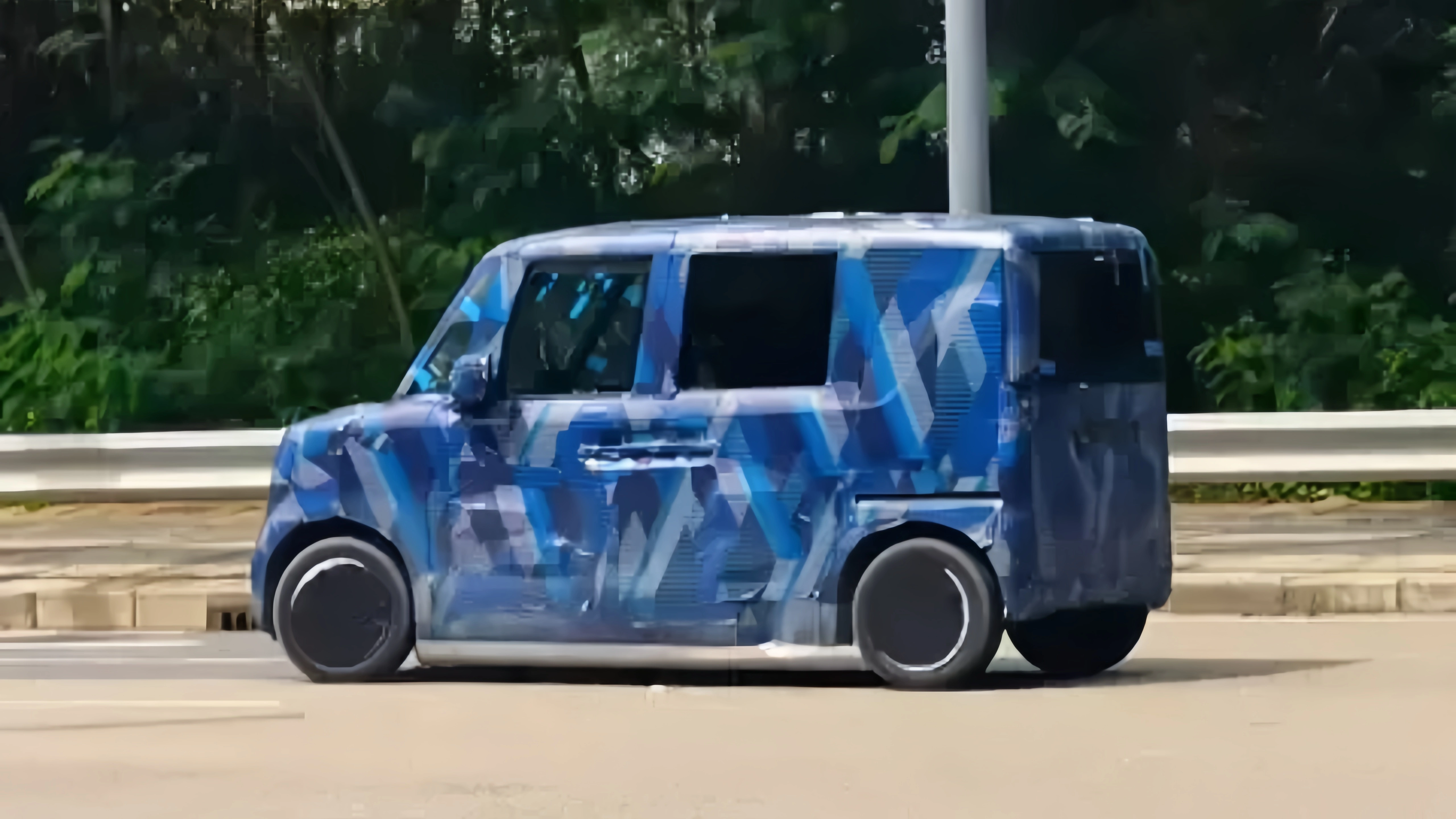
BYD is making bold moves in Japan. Spy shots have emerged of what appears to be BYD’s first electric K-Car, a category of ultra-compact vehicles unique to the Japanese market. What sets this EV apart? It's not just another urban runabout—it’s the first K-Car developed from the ground up by a foreign automaker specifically for Japan.
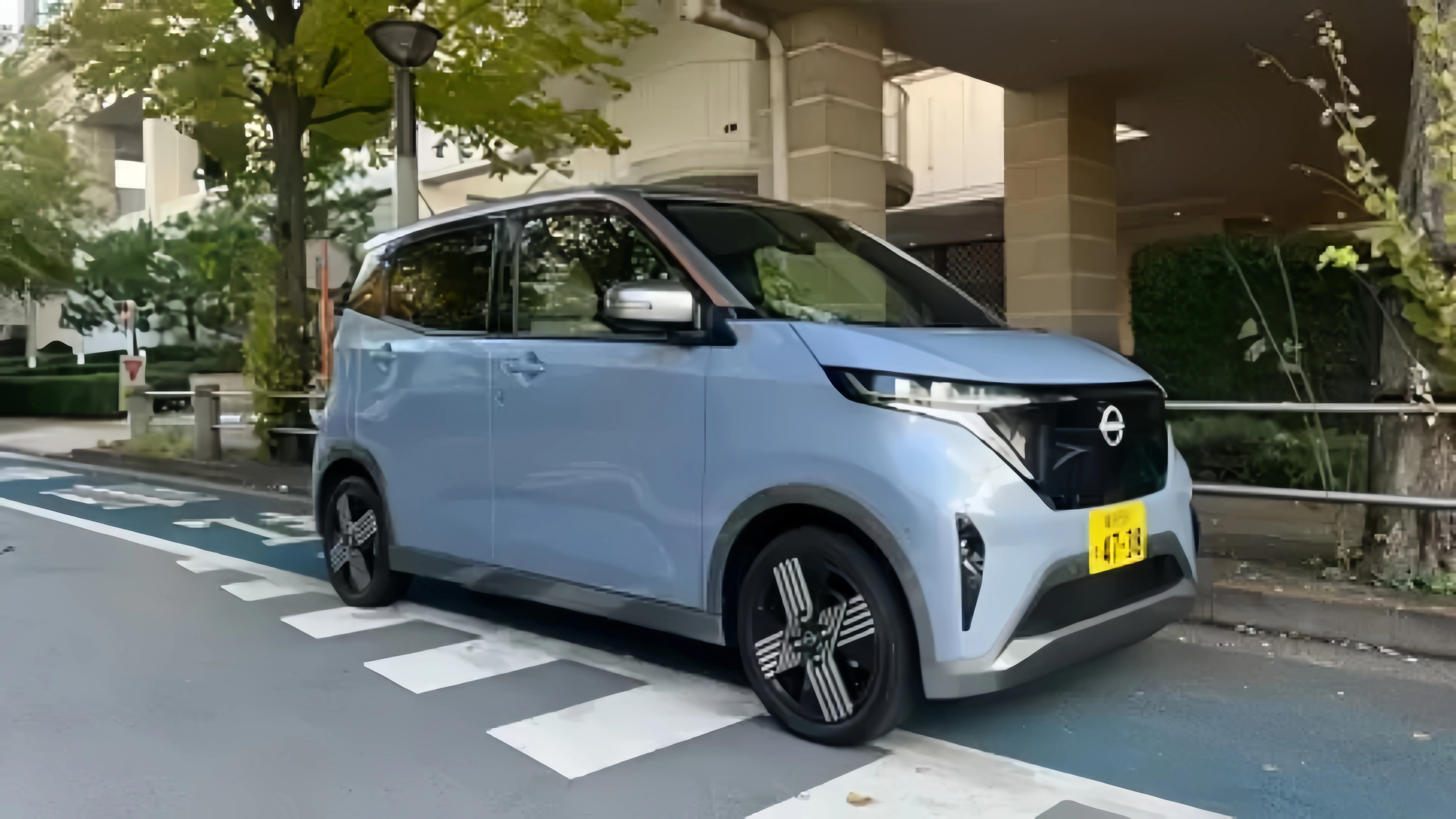
Expected to launch in late 2026, this all-electric K-Car is designed to comply fully with Japanese K-car regulations: length under 3.4 meters, width under 1.48 meters, and height under 2 meters. Priced at approximately ¥2.6 million (~¥130,000 RMB / $18,000 USD), it aims squarely at popular domestic models like the Nissan Sakura and Mitsubishi eK X EV.
Compact in Size, Big in Efficiency
From the leaked images, the new BYD K-Car features a boxy yet smart design, with:
-
A closed-off front grille for better aerodynamics
-
Stacked LED daytime running lights integrated with turn signals
-
Four-door layout with space-saving rear sliding doors, ideal for Japan’s tight parking spaces
-
Tall, practical cabin with a mid-level window line for improved headroom
-
Vertical taillights and rear wiper for enhanced visibility and utility
But it's not all about the looks. This K-Car is built for performance in daily urban mobility.
BYD Blade Battery Meets 100kW DC Fast Charging
At the heart of the vehicle is a 20kWh BYD Blade Battery, offering an estimated WLTC range of 180 km—more than sufficient for Japan’s city commutes. While the range may seem modest, the real standout is the charging speed: 100kW DC fast charging, which significantly outpaces the Nissan Sakura’s 47kW max rate.
This 113% improvement in DC charging capacity is a game-changer for micro EVs, allowing rapid top-ups even during short stops. Additionally, BYD has equipped the car with its second-generation wide-temperature heat pump system, ensuring optimal battery efficiency from -30°C to +60°C—perfect for Japan’s seasonal extremes.
Compatible with J1772 AC Charging: Versatility for Urban Life
While DC fast charging is ideal for quick pit stops, Level 1 and Level 2 AC charging via the J1772 standard will be a key part of this K-Car’s daily use in Japan. Whether plugged in at home, in apartment complexes, or in public curbside chargers, drivers can easily recharge overnight or during work hours using J1772-compatible EVSEs.
As many Japanese households lack access to fast charging infrastructure, support for J1772 AC charging ensures that BYD’s electric K-Car remains practical, accessible, and affordable for the average driver.
BYD’s Japan Strategy: 120 Stores and Growing
BYD has been laying the groundwork for this launch for years. As of the end of 2024, BYD had established 120 dealerships across major cities like Tokyo and Osaka, selling models such as the Yuan Plus (Atto 3), Seal, Dolphin, and the newly launched Sea Lion 07.
The K-Car will be exported from China and sold exclusively in Japan, and BYD reportedly aims to capture 40% of Japan’s electric K-Car segment within three years, taking the fight directly to Japan’s EV incumbents on their home turf.
A Turning Point for the K-Car Market?
If successful, BYD’s foray into this segment could mark the first major disruption of Japan’s domestic micro-EV market by a foreign automaker. The combination of compact dimensions, ultra-fast DC charging, reliable J1772 AC support, and intelligent thermal management could give this little EV a big advantage.