As electric vehicle (EV) owners, many of us have pondered the best practices for charging our cars. Given that the battery accounts for about one-third of an EV's cost, maintaining good charging habits is crucial for prolonging battery life.
Before delving into optimal charging practices, let's understand the battery. Most modern EVs use either lithium iron phosphate (LiFePO4) or nickel manganese cobalt (NMC) batteries. While the cathodes of these batteries differ, they are fundamentally lithium-ion batteries, relying on the movement of lithium ions between the anode and cathode during charge and discharge.
1. Prioritize Slow Charging
Charging duration is critical. Slow charging typically takes 8-10 hours, whereas fast charging can recharge 80% of the battery in about 30 minutes and fully charge it in around 2 hours. However, the high current and power involved in fast charging can significantly impact the battery pack, potentially leading to a reduced lifespan due to rapid charging cycles causing 'false capacity'. Whenever possible, opt for slow charging to protect your battery. Nonetheless, avoid overcharging during slow charging sessions to prevent overheating.
2. Avoid Deep Discharges
EVs generally alert drivers when the battery level falls to 20%-30%. Continuing to drive past this point can lead to deep discharge, which shortens battery life. It's advisable to recharge your vehicle when the battery is low to avoid deep discharges.
3. Maintain Battery Charge During Long-Term Storage
If you plan to store your EV for an extended period, ensure the battery is not left depleted. Leaving the battery in a discharged state can lead to sulfation, where lead sulfate crystals form on the battery plates, blocking ion channels and reducing capacity. Fully charge your EV before long-term storage and periodically recharge it to keep the battery healthy.
4. Prevent Charging Plug Overheating
For plug-in EVs, it's essential to keep the charging plug clean and dry to prevent water from rain or melted snow from entering the vehicle. During charging, ensure the power plug or charger output plug is not loose or oxidized, as this can cause overheating. Prolonged overheating can lead to short circuits or poor contact, damaging the charger and battery. Replace the plug if you notice any signs of overheating.
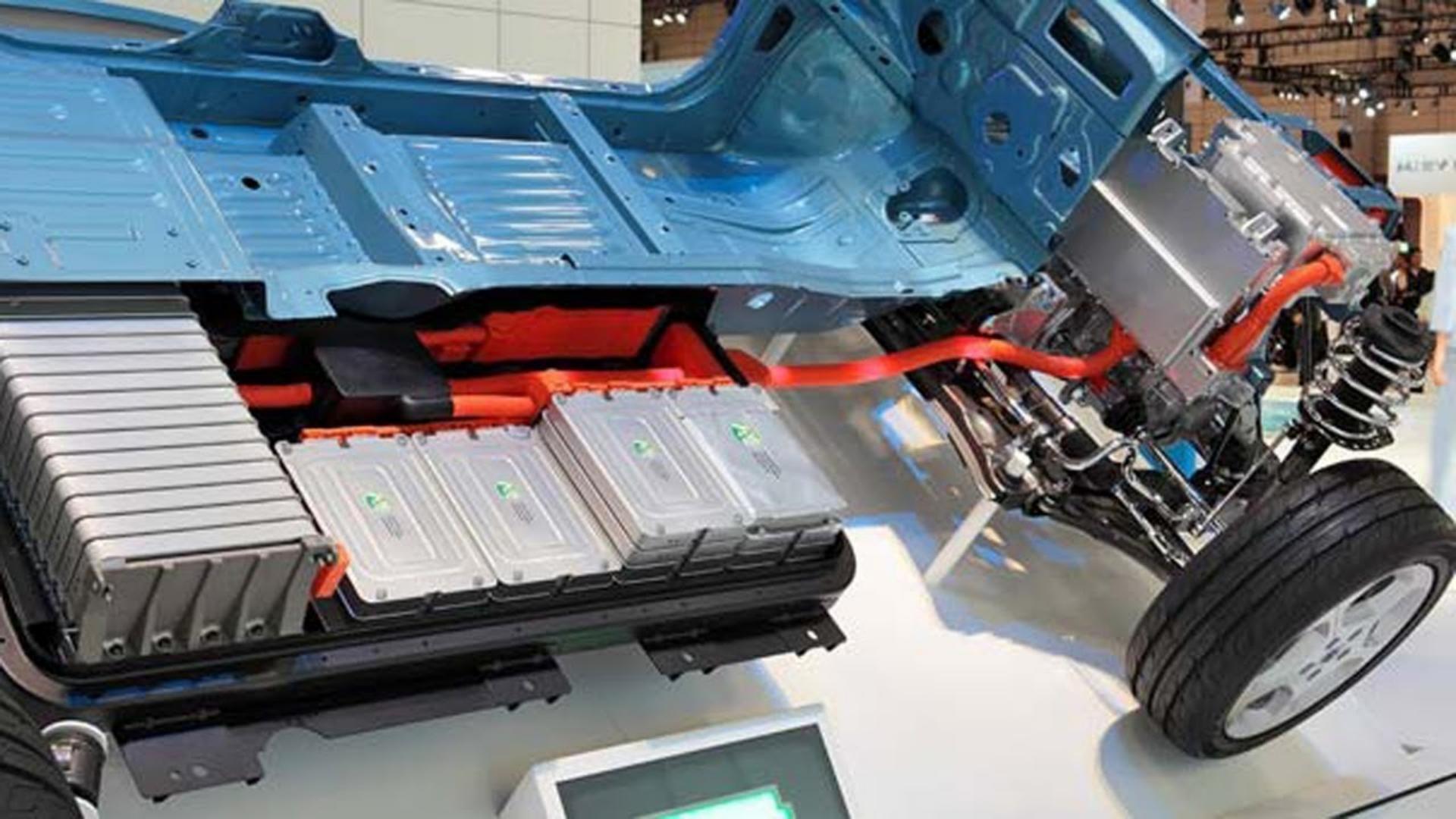
By adopting these charging practices, you can significantly extend the lifespan of your EV battery, ensuring your vehicle remains efficient and reliable. Understanding how to properly care for your EV's battery not only protects your investment but also enhances your overall driving experience.