Understanding how to correctly use electric vehicle (EV) charging connectors is crucial not only for ensuring safe charging but also for extending the lifespan of the connectors. In this article, we'll detail the proper usage of EV charging connectors, helping car owners and charging station operators avoid common issues and mistakes.
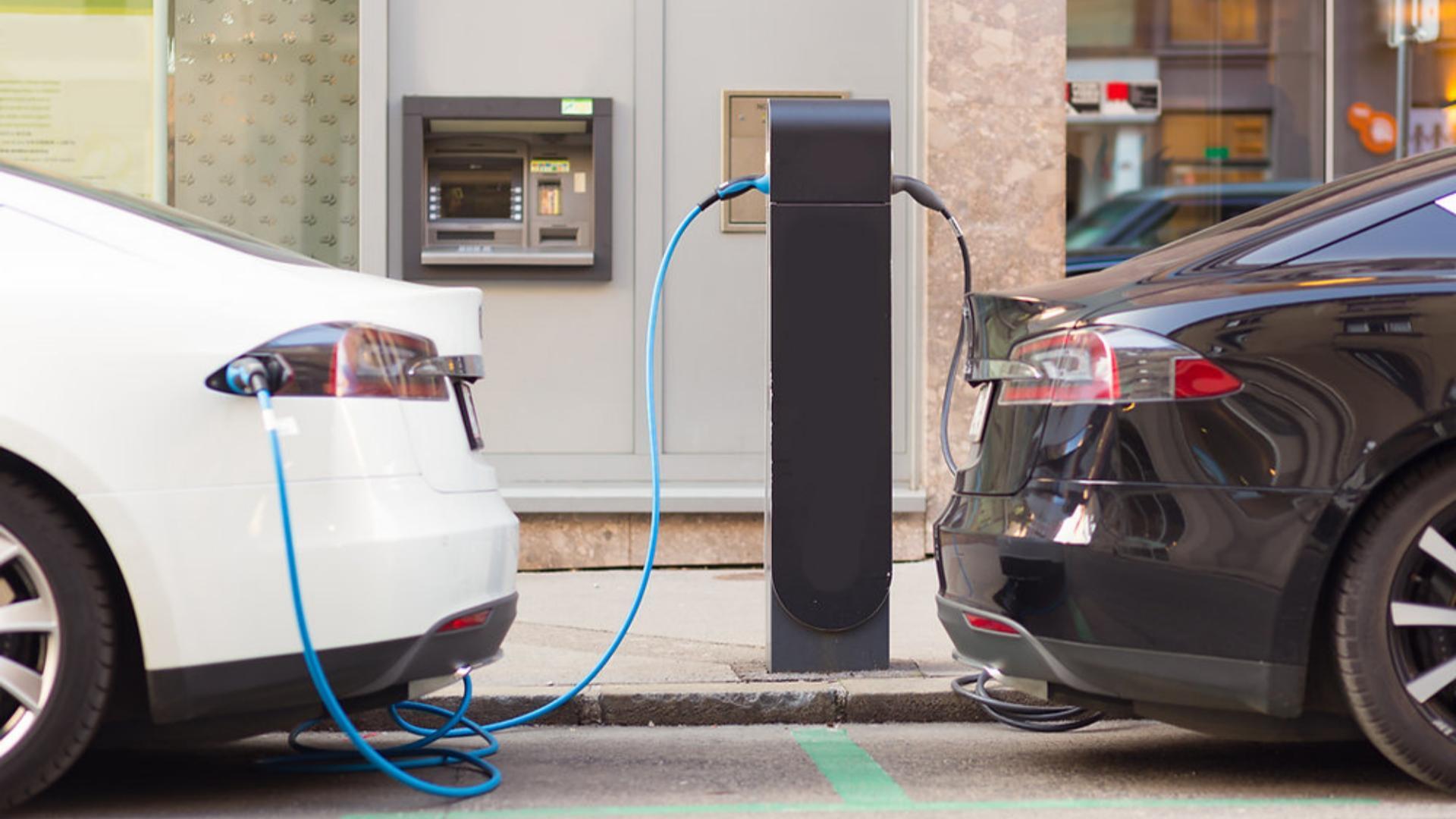
1. Choose the Right Connector Type
Firstly, ensure that the connector you are using is compatible with your EV's charging port. EV charging connectors are primarily divided into two main types: Type 1 (SAE J1772 standard, common in North America) and Type 2 (IEC 62196 standard, common in Europe). Choosing the correct connector type is essential to avoid charging failures.
2. Inspect the Connector
Before inserting the connector, carefully inspect its appearance. Make sure the connector is free from obvious damage, cracks, or dirt. If the surface of the connector is dirty, clean it first to ensure a good connection.
3. Insert the Connector
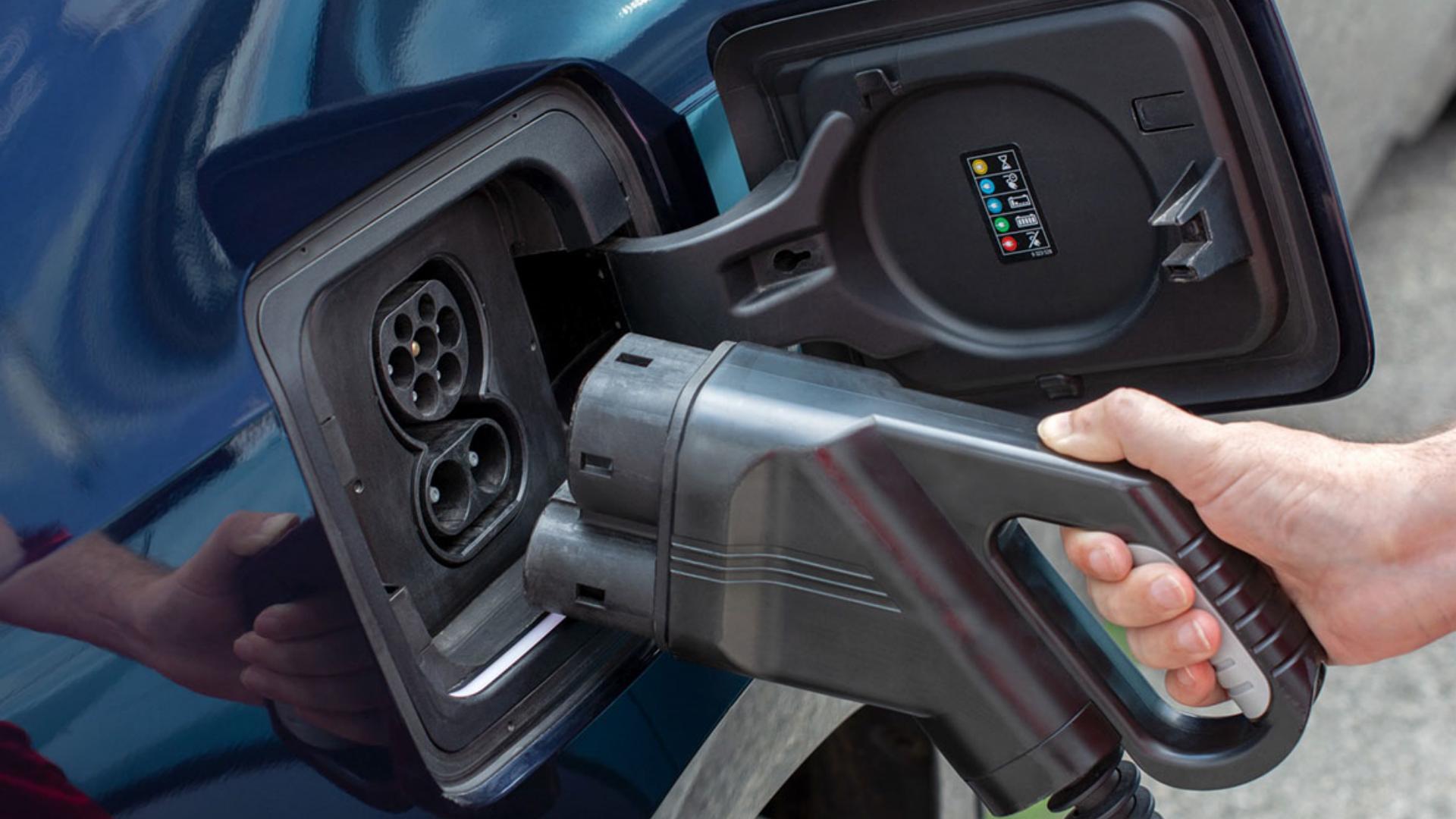
Insert the connector into the charging port of your EV. Ensure that the connector is fully inserted and listen for the locking sound or feel the plug lock into place. This step is crucial for a secure connection. Do not force the connector as this could damage the connector or the charging port.
4. Start the Charging Process
Initiate the charging process on your EV. This usually involves using the charging controller inside the vehicle or an associated mobile application. Before starting, check the vehicle’s charging status to ensure the charging port is ready.
5. Regularly Check the Connection
Periodically check that the connector and charging port remain clean and securely connected. If you encounter any anomalies during charging, stop the process immediately and disconnect the connector.
6. End the Charging Process
When charging is complete, stop the charging process from within the vehicle first. Then press the release button on the connector. Wait for the connector to unlock and gently remove it. Do not forcefully pull out the connector to avoid damage.
7. Store the Connector Properly
After use, store the connector properly in your vehicle or in the designated storage area provided by the charging station. Avoid exposing the connector to extreme temperatures or harsh weather conditions to extend its lifespan.
8. Regularly Inspect the Connector and Cable
Regularly check the connector and charging cable for any signs of damage or wear. If you notice any issues, replace the connector or cable promptly to ensure safe charging.
Proper use of EV charging connectors is essential for safe charging and prolonging the lifespan of the connectors. By following these steps, you can better understand how to use these connectors and reduce potential issues during the charging process. We hope this information helps you enjoy the convenience and environmental benefits of electric vehicles more easily.