A Milestone in EV History: Chinese Automaker Overtakes Tesla in Europe for the First Time
In April 2025, the European electric vehicle (EV) market witnessed a historic shift. For the first time, a Chinese automaker surpassed Tesla in monthly battery electric vehicle (BEV) sales across the continent. With 7,231 units sold, this newcomer edged past Tesla’s 7,165—a seemingly minor lead, but a symbolic victory that underscores a much larger transformation.
Breaking Through the Tariff Wall
This breakthrough came despite a turbulent trade environment. In October 2024, the EU imposed punitive tariffs of up to 45.3% on Chinese EVs. However, the Chinese automaker in question managed to keep its effective tariff rate at just 17%, thanks to strategic localization. Its new manufacturing facility in Hungary, set to go live by the end of 2025 with an initial annual capacity of 150,000 vehicles, has been pivotal in minimizing cost barriers.
Meanwhile, Tesla is navigating its own set of challenges. Its German production site continues to operate below 40% capacity, while the revamped Model Y—starting at €43,000—has faced lukewarm reception. The result: a gap in Tesla’s product lineup and growing skepticism around its brand, especially as it grapples with regulatory and environmental scrutiny in Europe.

Winning the Market with Price and Technology
The Chinese brand’s strategy is anything but accidental. Its popular compact SUV, known locally as the ATTO 3, is priced at €35,000—around €5,000 cheaper than its closest rival from a major German manufacturer, while offering 80 kilometers more range (WLTP 510 km). Its higher-end sedan boasts 570 km of range and fast-charging capabilities that add 200 km in just 15 minutes, directly challenging Tesla’s Model 3—at a 15% lower price.
This "value-packed with premium tech" strategy has proven especially effective in the wake of shrinking government subsidies. Germany, for instance, eliminated EV subsidies for vehicles priced above €40,000 in 2024. The Chinese automaker’s competitive pricing has filled that void.
Technologically, it brings a vertically integrated supply chain advantage. Its proprietary blade battery passed Europe’s rigorous nail penetration test and withstands thermal runaway temperatures 100°C higher than conventional batteries. Coupled with a fast-growing charging network in partnership with a global energy giant, it offers drivers access to over 300,000 charging points across Europe—with exclusive energy discounts.
In contrast, Tesla has faced roadblocks. Its autonomous driving system tests were halted in Germany, and its Berlin plant has come under investigation for wastewater issues, further eroding consumer confidence.
From “Made in China” to “Made for Europe”
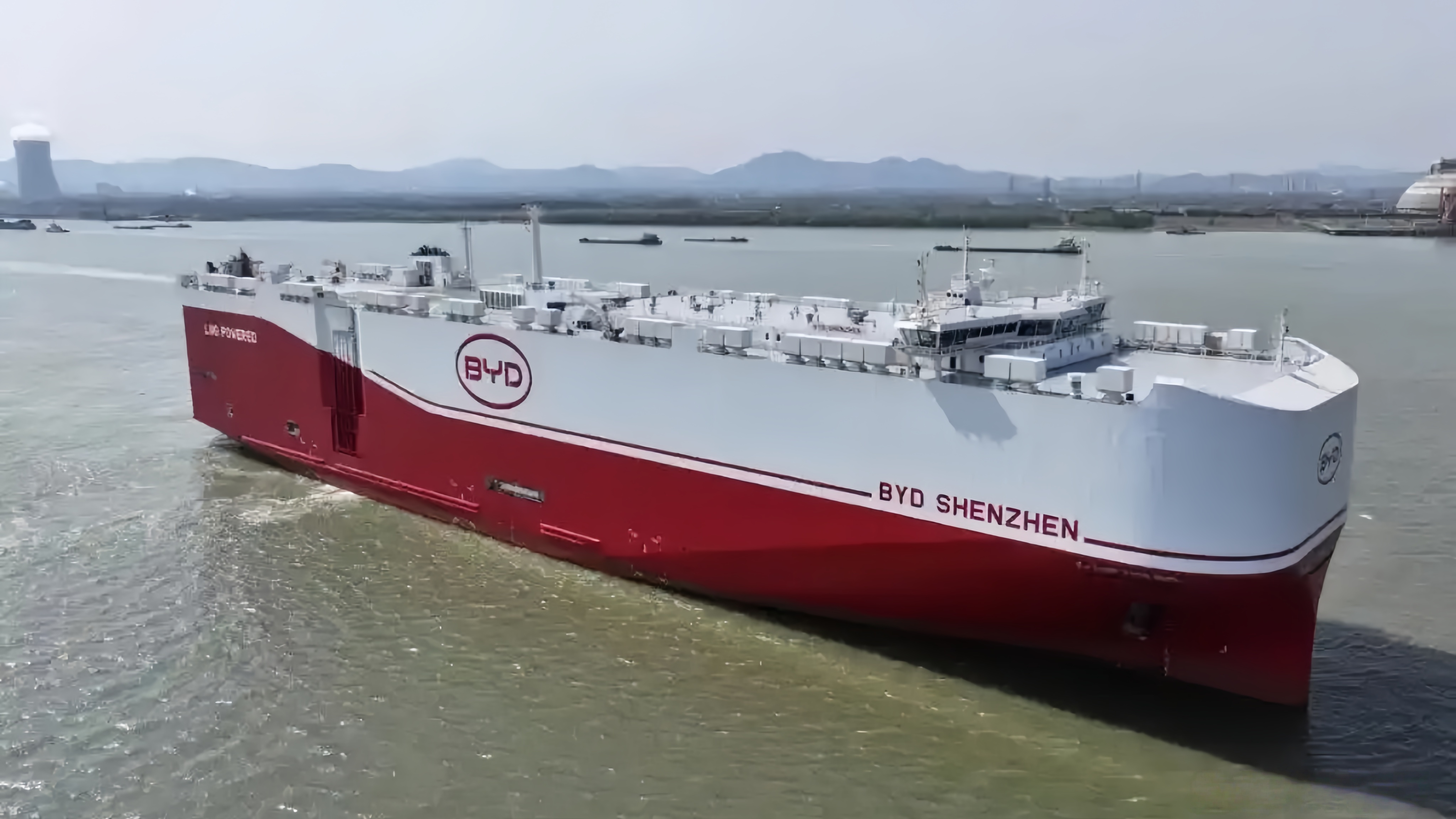
But this isn’t just a sales story—it’s a strategy to embed itself deeply in the European landscape. On May 15, the Chinese EV giant inaugurated its European HQ in Budapest. The new campus, which spans over 32,000 square meters, will house R&D efforts focused on driver-assist technologies and next-gen electrification. The accompanying vehicle plant in southern Hungary will employ over 1,200 technical staff and integrate with local universities on collaborative research.
This localized approach does more than reduce costs—it aligns with the EU’s Green Industrial Policy, unlocking tax incentives and solidifying the automaker’s long-term foothold.
Tesla’s Countermove: Finance Over Function
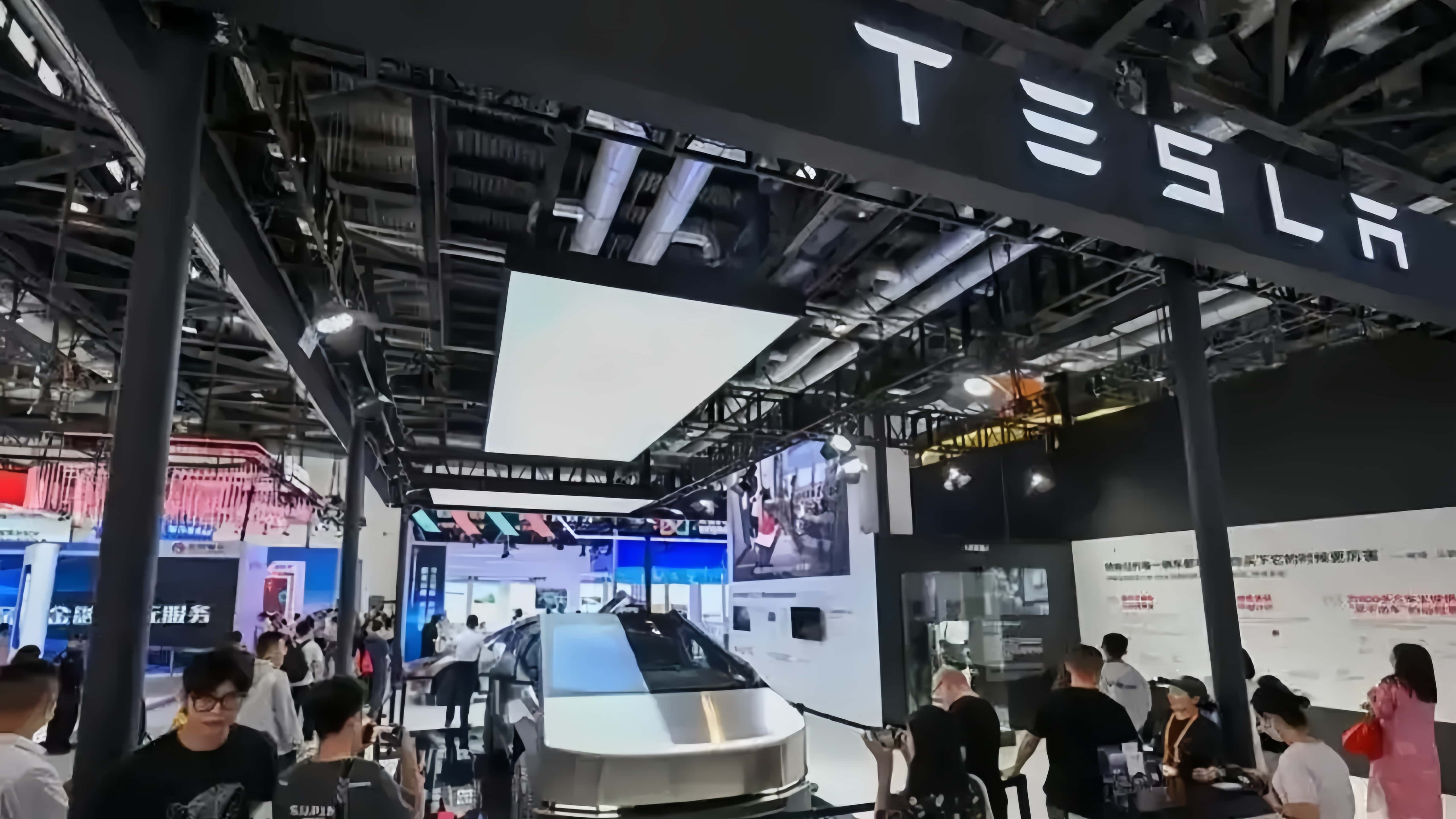
To regain momentum, Tesla has rolled out aggressive financing in Germany, offering a 0% down payment and 60-month installment plans at a 4.9% APR—1.2 percentage points lower than traditional auto loans. But price remains an obstacle: the upgraded Model Y, even with improved range (620 km), starts at €44,900. In stark contrast, the Chinese brand’s newly launched compact hatchback is priced at just €23,000, making it the most affordable BEV in Europe today.
The Bigger Picture: Two Models, One Market
This competition isn’t just about cars—it’s about two divergent business philosophies. One emphasizes relentless iteration and cost-efficiency born from rapid innovation and full-stack manufacturing. The other, while pioneering the global EV wave, is now constrained by higher-cost supply chains and increasing geopolitical risks.
According to analysts at a major European technical institute, if Tesla fails to raise its local parts sourcing rate to at least 60% by 2026, its market share in Europe could drop from 18.7% to as low as 12%, transforming it from an industry disruptor to just another player.