The Phoenix Battery’s biggest headline feature is its blistering charging speed. With 8C fast charging, this battery achieves an 80% charge in just 7.5 minutes, setting a new industry benchmark. That’s a serious contender against the speed of gas refueling.
Even more impressive, this speed doesn’t come at the cost of longevity. The battery maintains over 2,000 full charge-discharge cycles—which translates to over 1 million kilometers (620,000 miles) of real-world use for a vehicle with 500 km range per charge.
💡 EV Myth Busted: Many drivers think each plug-in counts as a full cycle. In reality, a cycle means a complete 0–100% charge, not just a top-up.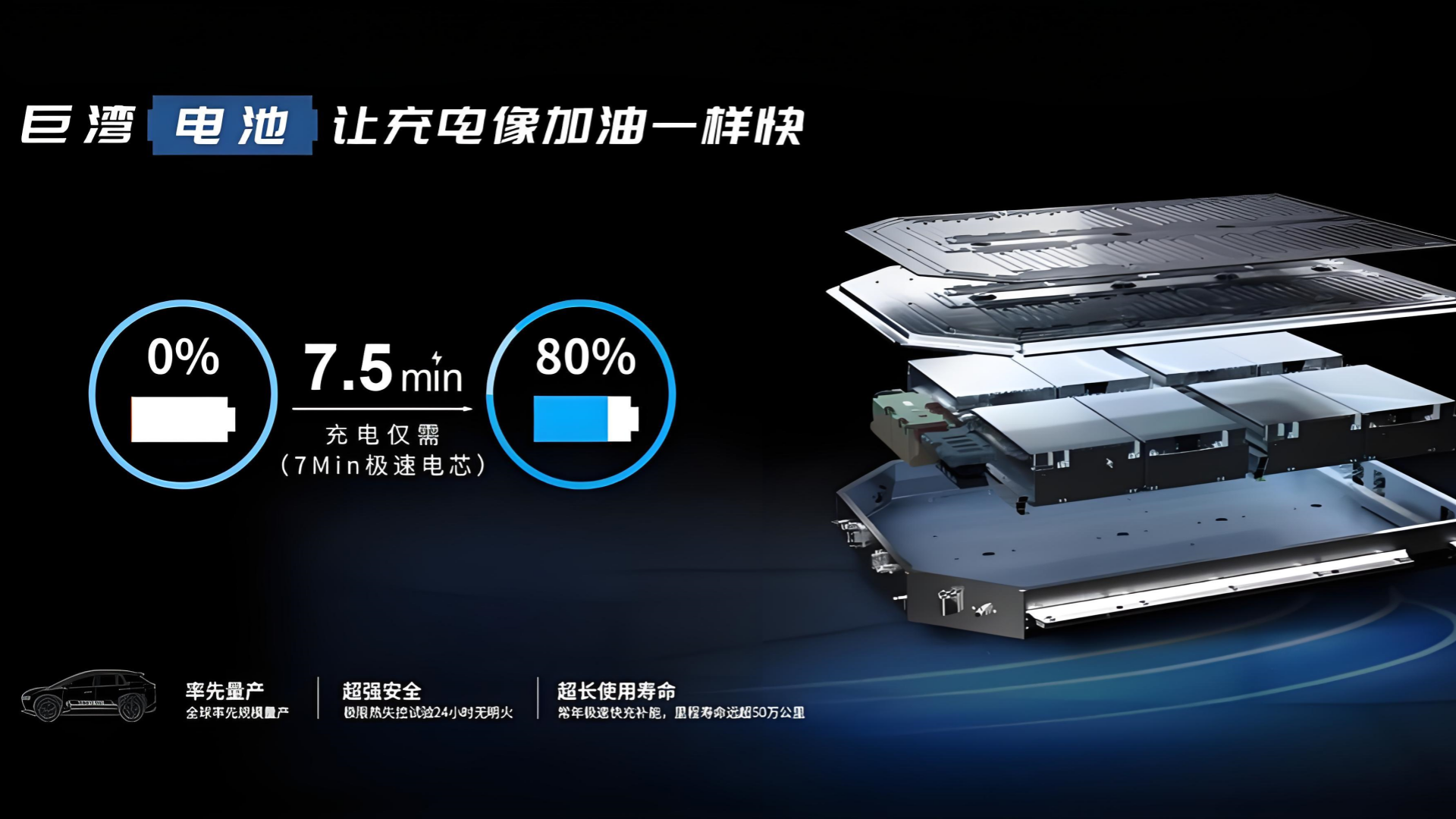
High Compatibility with Public and Home Chargers
Thanks to Giant Wave’s in-house developed solid-state switch matrix and intelligent voltage control system, the Phoenix Battery supports a wide voltage range of 300V to 1000V. That means it’s compatible with almost any EV charger—from proprietary superchargers to third-party fast-charging stations and home chargers.
For drivers and businesses alike, this flexibility reduces infrastructure dependency and simplifies deployment of charging stations across urban and rural areas.
High Energy Density: Go the DistanceThe Phoenix Battery doesn’t just charge quickly—it also goes the distance. Through optimized cell chemistry and structural design, the battery boasts an energy density of 260 Wh/kg, enabling EVs to hit up to 1000 km (620 miles) of range on a single charge.
This makes range anxiety a thing of the past, even for road-trippers or cold-climate drivers.
Superior Thermal Stability: Safe, Fast, and Winter-Ready
One of the biggest concerns for any battery system is thermal stability—especially in extreme climates. The Phoenix Battery introduces a 3D thermal management system using an advanced low-dimensional material with 18x better heat exchange capability than traditional systems.
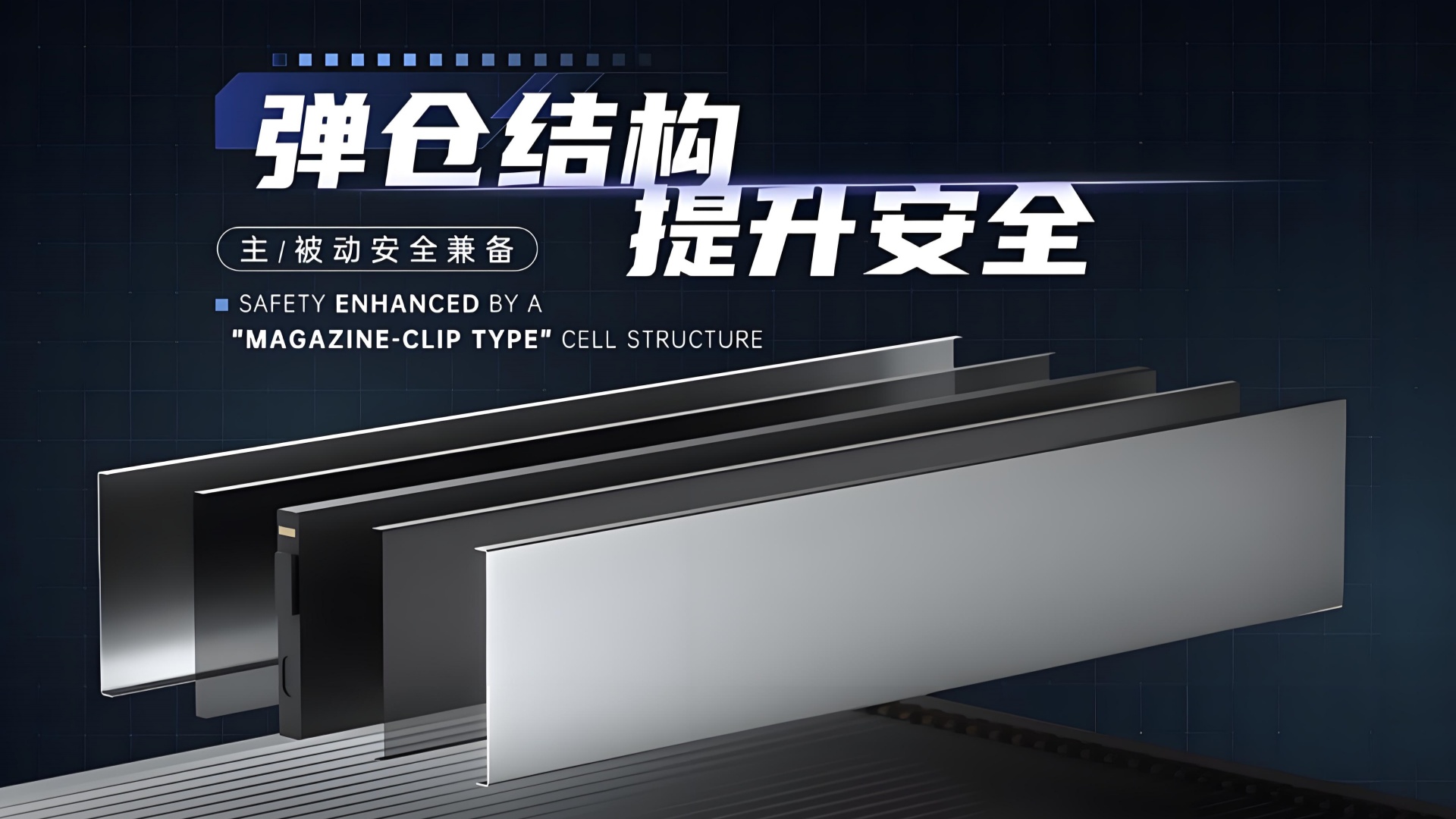
It can warm itself from -20°C to +25°C in just 5 minutes, making it ideal for cold-weather charging. Plus, the battery’s compact “cartridge-like” structure drastically reduces fire risk and improves crash resilience.
Mass Production in 2024
GAC’s Phoenix Battery is scheduled for mass production later in 2025, with vehicle integration expected by year’s end. Once deployed, EVs equipped with this technology could effectively eliminate the slow-charging stigma—and take a giant step closer to mainstream dominance.
This isn’t just a step forward. It’s a quantum leap for electric vehicles. By solving one of the most pressing issues—charging speed—the Phoenix Battery could tip the scales and render gas cars obsolete sooner than expected.
So whether you’re planning your first EV purchase or upgrading your home charger, the future of ultra-fast charging is knocking—and it’s arriving in under 8 minutes.