The 2026 Leaf, along with the upcoming Mercedes CLA EV, is part of a new wave of EVs that try to bridge the charging standard gap. They include both:
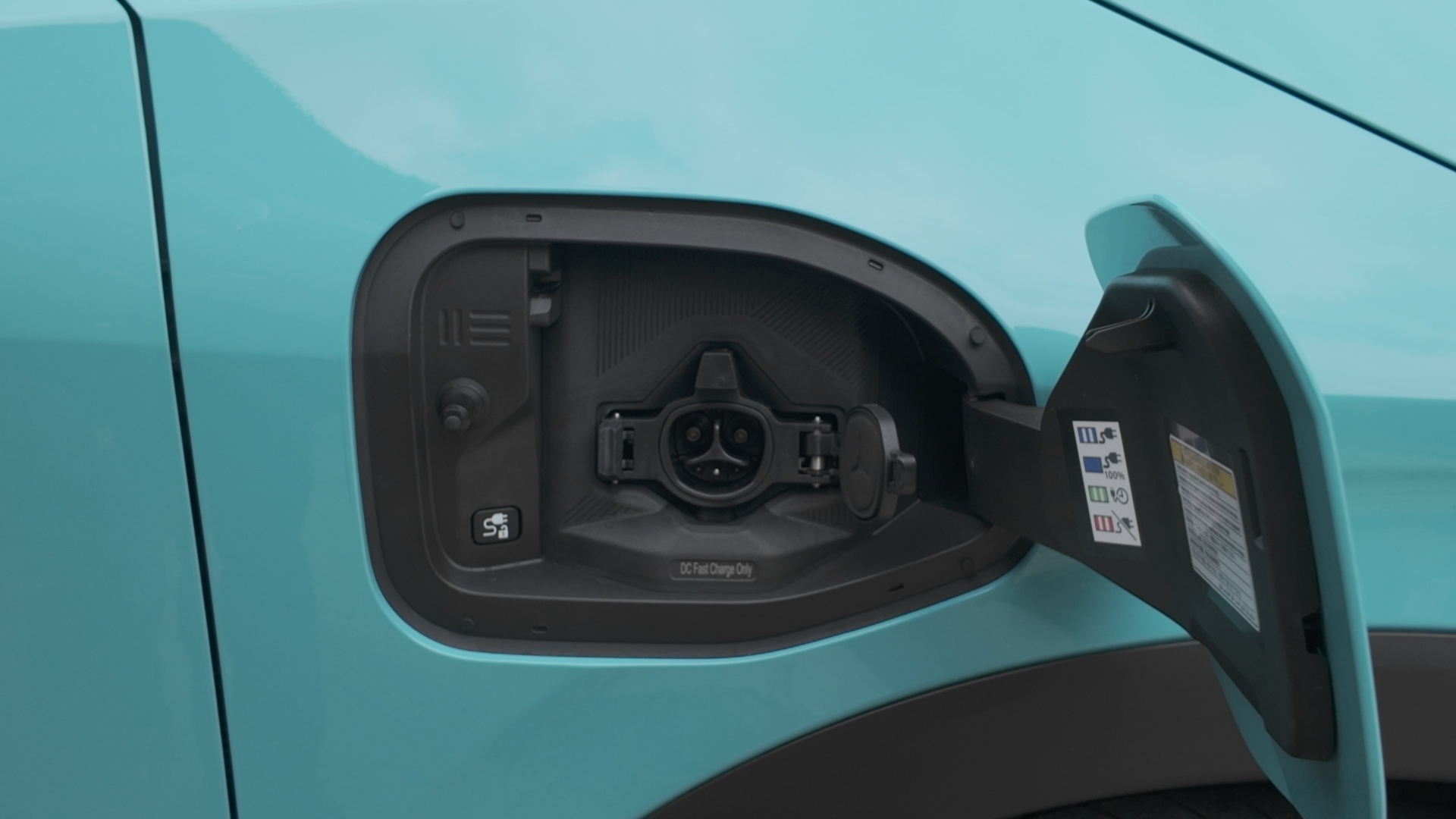
A NACS port (for DC fast charging)
A J1772 port (for Level 1/Level 2 AC charging)
Sounds great, right? Except it’s not quite that simple.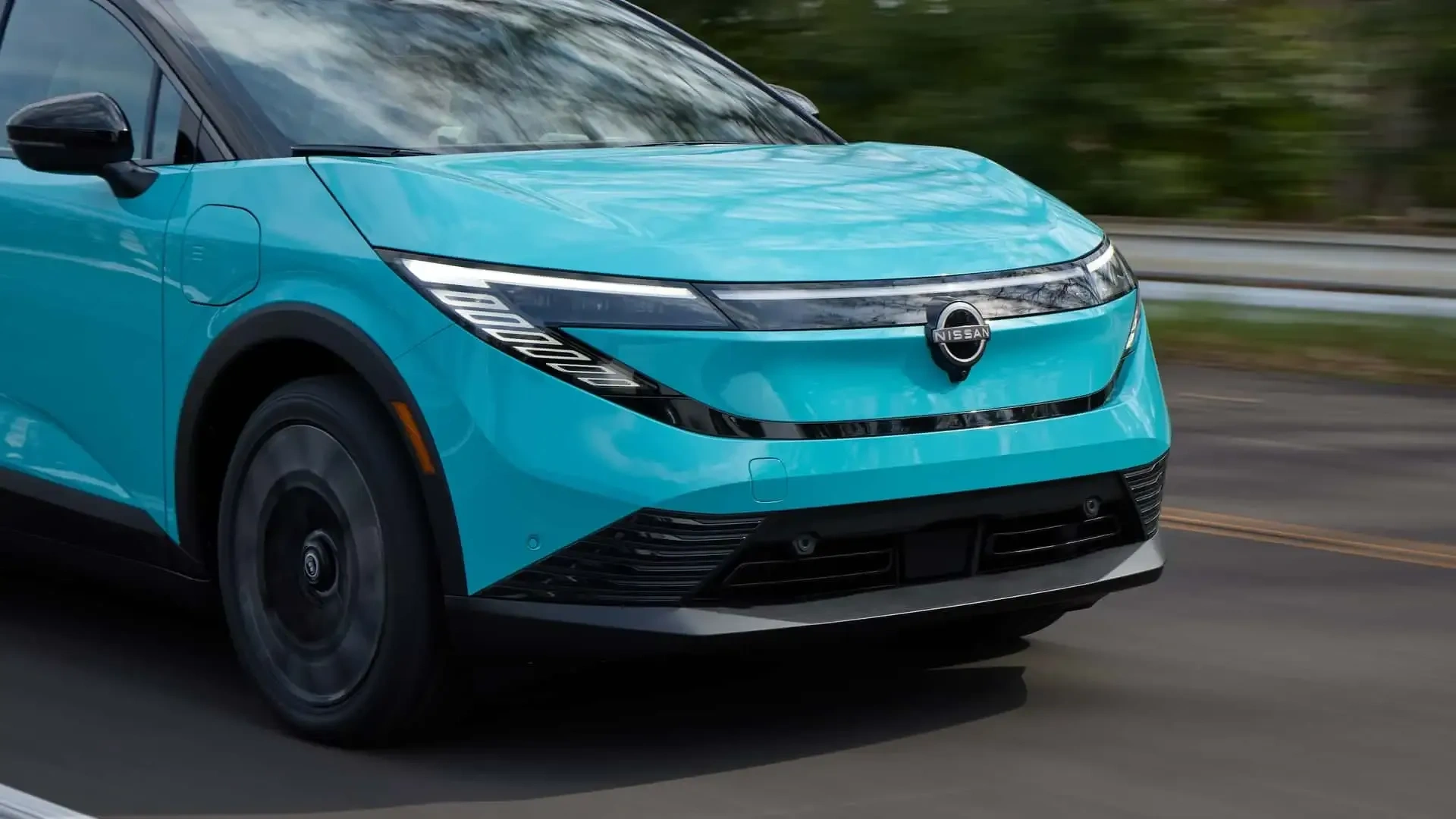
Here’s the twist: Nissan’s NACS port doesn’t support AC charging.
Unlike Tesla vehicles—where NACS is used for both DC and AC charging—the Leaf’s NACS connector is wired only for DC fast charging. That means:
You cannot use a Tesla Level 2 Destination Charger (like the ones found at hotels or parking garages) with the NACS port.
If you try, the Leaf will display a charging error, and you’ll be out of luck—unless you have the right adapter.
This design may simplify hardware and reduce costs for Nissan, but it creates confusion and inconvenience for drivers during the transition period.
Picture this: you're road-tripping through Utah and book a hotel near Bryce Canyon or Zion National Park. The listing says they have “Tesla EV charging.” Great, you think—you’ve got a NACS port!
But when you plug in, nothing happens. That’s because Tesla’s Level 2 Destination Chargers use AC, and the Leaf’s NACS port only speaks DC.
To make that Tesla charger work, you’ll need a NACS to J1772 adapter. It converts the AC power from the Tesla plug into a format your Leaf's J1772 port can understand.
Without it, you may be stuck—even with a charger physically in front of you.
Another problem arises if you’re trying to use a CCS1 fast charger, which remains the most common DC plug for non-Tesla EVs in the U.S. today. Since the Leaf no longer supports CCS directly, you’ll need a CCS1 to NACS adapter to access those chargers.
This adapter converts CCS1 plugs (like those at Electrify America stations) into NACS-compatible connectors that plug into the Leaf’s DC fast charging port.
The EV charging world is in a transitional mess. Until all public chargers standardize around NACS—which will likely take years—EV owners will live in a hybrid reality filled with different plugs and competing standards.
For owners of the 2026 Nissan Leaf or Mercedes CLA EV, that means:
Carrying at least two types of adapters
Reading the fine print on hotel and public charging listings
Understanding that not all NACS plugs are created equal
While future EVs will simplify this with one universal port, early adopters of these “dual port” EVs are stuck in a compatibility limbo.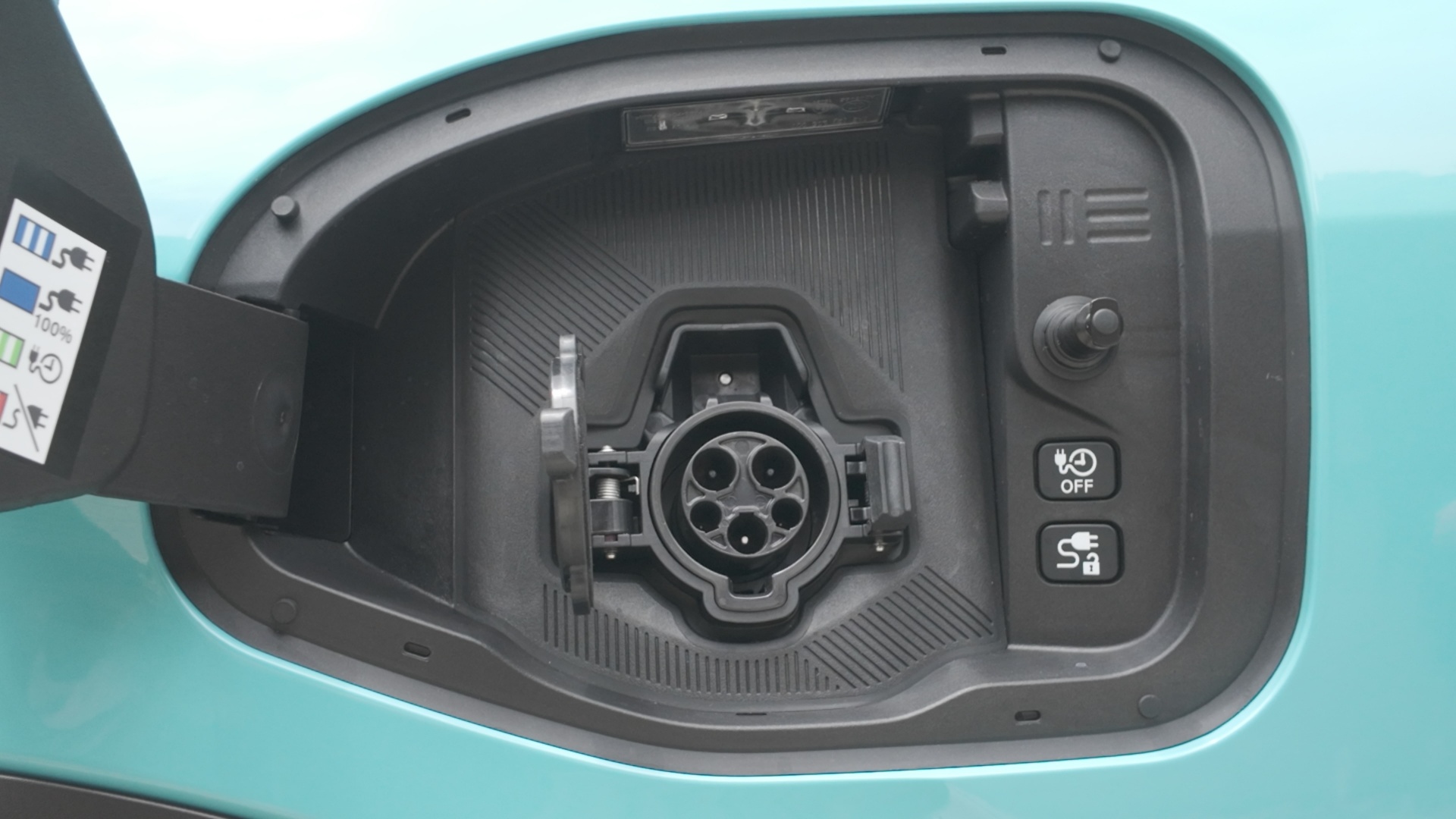
To make charging easier and ensure you’re never stranded, we recommend keeping these two essential adapters in your trunk:
NACS to J1772 Adapter – AC Charging Converter
→ Enables charging your Leaf with Tesla Level 2 destination chargers.
CCS1 to NACS Adapter – DC Fast Charging Converter
→ Lets your Leaf use existing CCS1 fast chargers via the NACS port.
Both are compact, travel-friendly, and designed to future-proof your charging experience as infrastructure continues to evolve.