Multiple surveys have shown that people transitioning to electric vehicles (EVs) share a common fear: charging anxiety.
According to drivers, owning an EV can be as good as, if not better than, owning a gas car in many ways. However, refueling an EV is different and can be inconvenient depending on where you live, sometimes even scaring off potential EV buyers.
Most American EV owners charge at home today, but over 20% of U.S. households lack off-street parking for overnight charging. Meanwhile, the public charging network faces issues, with drivers complaining about poorly maintained or non-functional chargers.
The good news is that automakers, governments, and other stakeholders recognize the U.S. has a charging problem. They want more people to own EVs. Automakers are ramping up EV production, hoping for increased adoption. Lawmakers understand that shifting from gas cars to zero-emission EVs is crucial for avoiding the worst impacts of climate change.
Data from the U.S. Department of Energy shows early efforts to transition to EVs have led to 188,600 public and private charging ports and 67,900 charging stations in the U.S.—more than double since 2020. Plans are in place for 240 more charging stations. In comparison, the current gas infrastructure includes about 145,000 gas stations, according to the American Petroleum Institute.
An article in Wired prompted an interesting thought experiment: If every car magically became electric overnight, how many more charging stations would the U.S. need?
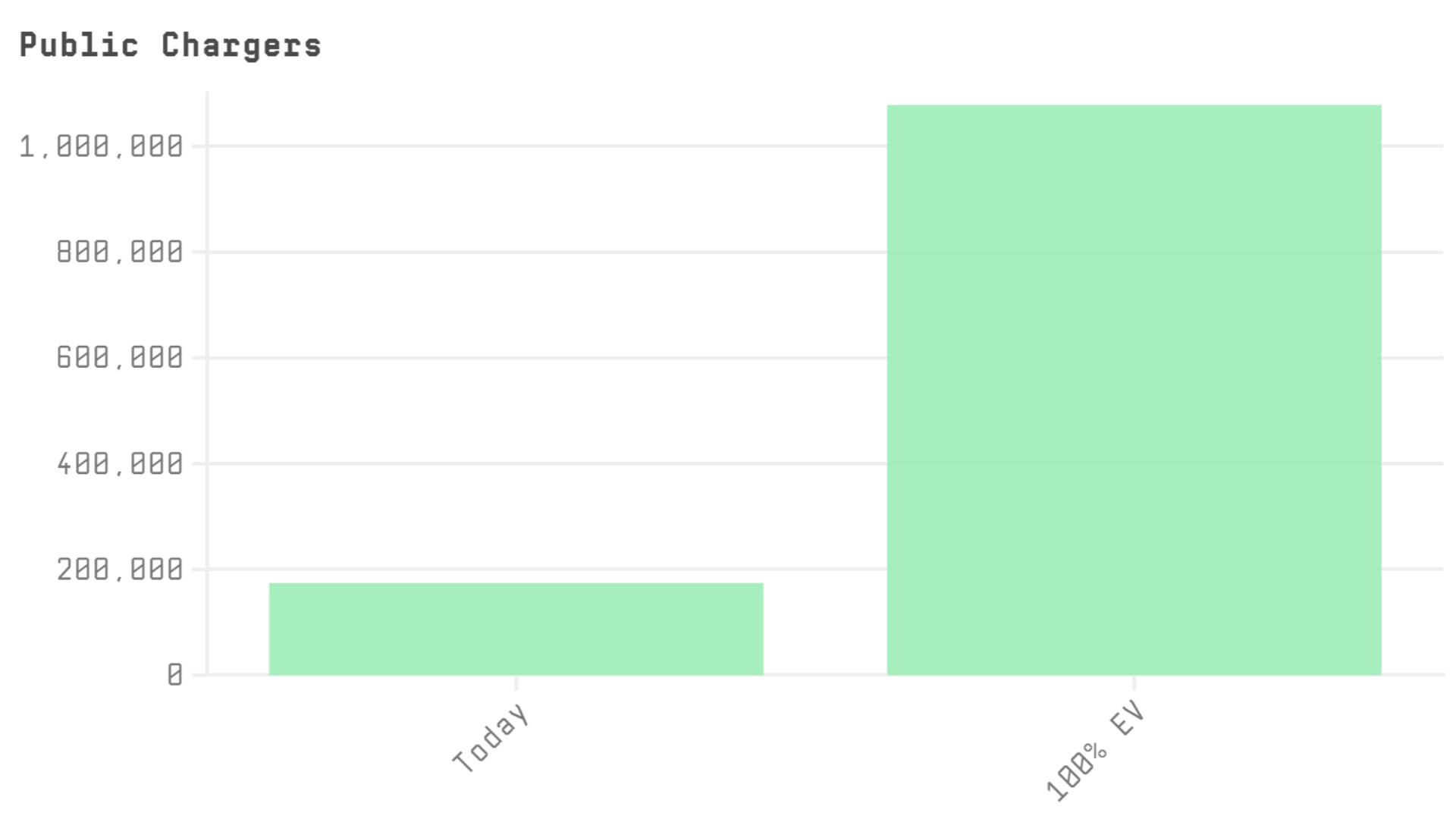
The answer? A significant increase in chargers nationwide is needed to achieve full electrification, a goal experts suggest for the 2040s. But this task might not be as daunting as it seems.
Coltura's Executive Director Matthew Metz and Data & Policy Associate Ron Barzilay estimate the number of public chargers must increase sixfold. "We’re not necessarily off track," Metz says.
(It's important to note that this thought experiment is just that—an experiment. Many experts believe that even in a fully electrified world, some areas will still use gas-powered cars.)
Optimism about public charging partly stems from the belief that most drivers won’t completely replace gas station visits with public charging. Instead, Metz and Barzilay predict 90% of housing units will have EV chargers, with 70% of drivers meeting their charging needs at home. Another 10% could charge at work. Coltura believes the remaining 20% of charging will occur at public stations, with about 70% of these being the fastest current DC fast chargers.
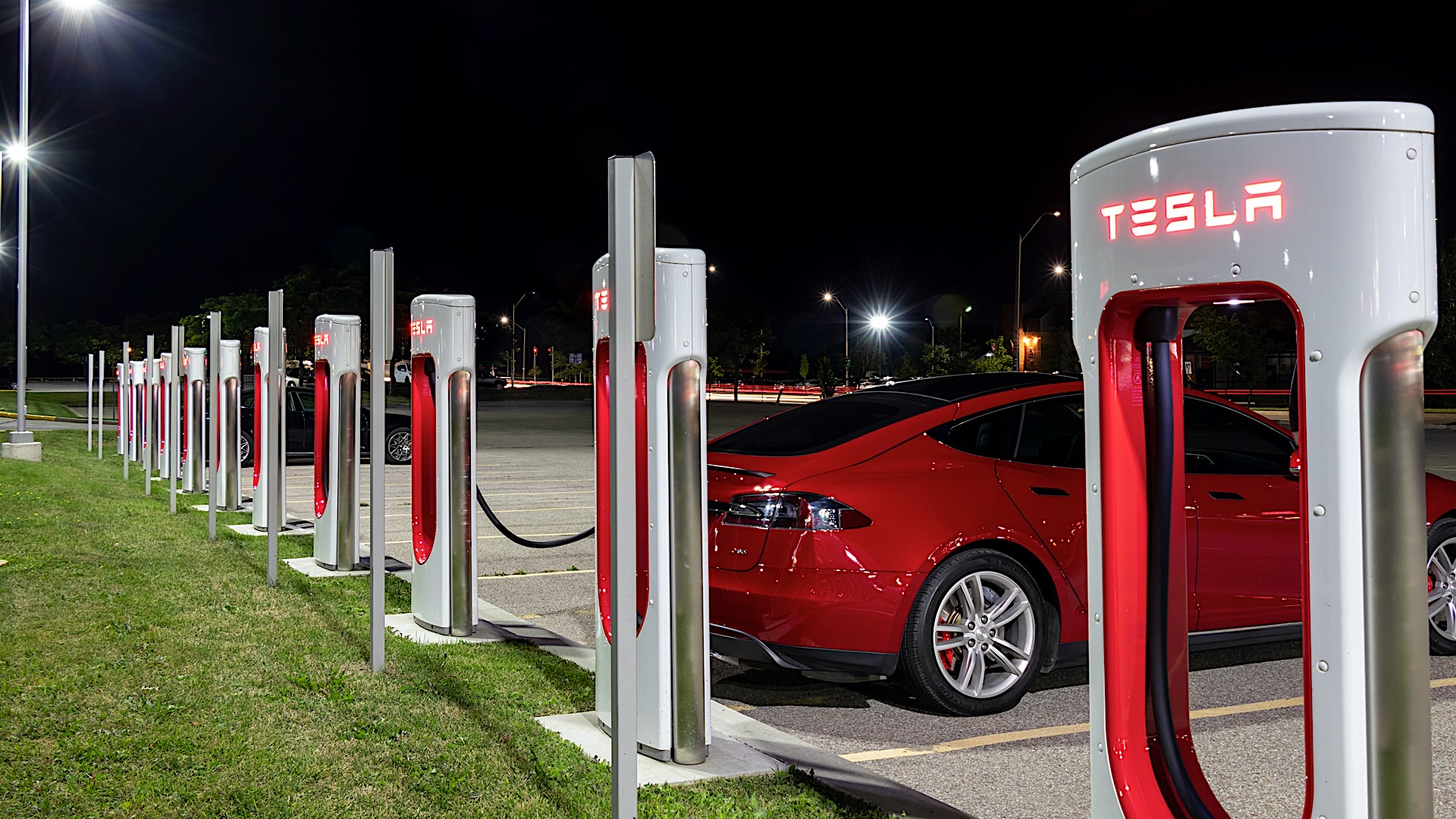
Barzilay emphasizes the focus is on "current" technology. Predicting the future is difficult, he says, "We don’t know what technologies will be available when full electrification arrives." Perhaps today's most advanced fast chargers (about 20 minutes to charge from 0% to 80%) will be surpassed by faster, more efficient standards. If so, the country might be in better shape than we think.