What is a V2G Charging Station?
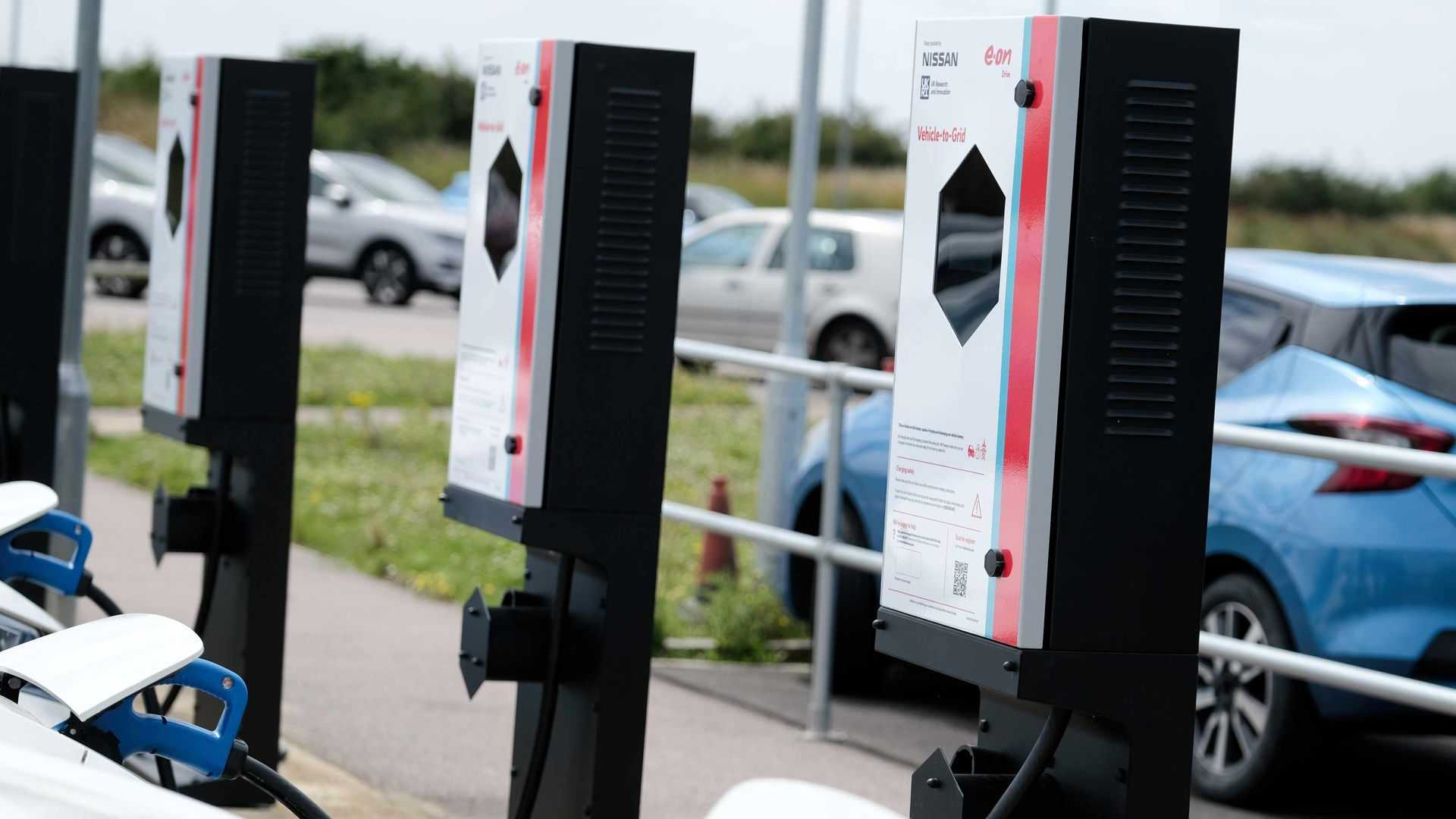
A V2G (Vehicle-to-Grid) charging station is a specialized device that not only charges electric vehicles (EVs) but also enables a two-way interaction between the EV and the power grid. This means that while an EV is parked, it can supply electricity back to the grid, facilitating energy return and utilization. Additionally, V2G charging stations can respond to the grid's demands, providing emergency power and grid stability, thus enabling intelligent interaction with the grid.
The Essence of V2G Technology
V2G stands for "Vehicle-to-Grid." This technology treats electric vehicles as mobile energy storage units. Through advanced energy management systems and smart grid technology, V2G facilitates the exchange and sharing of energy between EVs and the grid.
Benefits of V2G Charging Stations
- Promoting EV Adoption and Development:V2G technology can accelerate the widespread adoption of electric vehicles by offering additional value and functionality.
- Enhancing Power System Efficiency and Stability:By using EVs as storage units, V2G can improve the overall efficiency and reliability of the power grid.
- Reducing Dependence on Fossil Fuels:This technology supports sustainable development by reducing reliance on traditional fossil fuels.
- Providing Additional Revenue Streams for EV Owners:V2G allows EV owners to participate in energy markets, potentially earning money by supplying power back to the grid.
Challenges in V2G Charging Station Adoption
- High Installation Costs:V2G charging stations are more expensive to build and retrofit compared to traditional charging stations due to their bidirectional functionality.
- Grid Compatibility Issues:The integration of dispersed EV power sources can impact grid efficiency and safety, necessitating careful coordination and adaptation.
- Consumer Awareness:Many consumers still view EVs primarily as transportation tools, not recognizing their potential as mobile storage units. Increasing awareness and acceptance is crucial for broader adoption.
Commercialization of V2G Charging Stations
Recently, a company named Nengxiao introduced the world’s first commercially available bidirectional charging station for consumers, the D22. This 22kW dual-gun charging station can both charge and discharge power. It converts AC power from the grid to DC power for EV batteries or storage units when charging and converts DC power back to AC power when discharging.
The Role of V2G in Energy Management
Bidirectional charging stations act as energy routers, enabling the transfer of energy between various nodes such as vehicle batteries, storage batteries, photovoltaics, the grid, and electrical devices within a home or community. In a V2G system, these stations are crucial for power regulation and energy flow direction.
Market Potential and Future Prospects
The combination of solar power, storage batteries, and electric vehicles is expected to create a trillion-dollar emerging market with limitless application scenarios and solutions. Government policies will be pivotal in supporting this market, particularly those allowing the grid to purchase electricity from individual EV owners. The D22 charging station is a pioneering product that signifies the commercial potential of V2G technology.
Benefits for Stakeholders
- For EV Owners:V2G technology enables EV owners to earn additional income by selling stored energy back to the grid during peak demand times.
- For the Grid:V2G helps manage load distribution, reducing the need for extensive storage infrastructure investments and improving operational efficiency and reliability.
- For Automakers:V2G enhances the value proposition of EVs by offering additional functionalities, potentially boosting sales and fostering the development of a unified electricity market.
ConclusionThe introduction of the D22 bidirectional charging station marks a significant step towards the commercialization of V2G technology. It opens up new opportunities and challenges for the development of electric vehicles and smart grids, promising a more sustainable and efficient future for energy management.