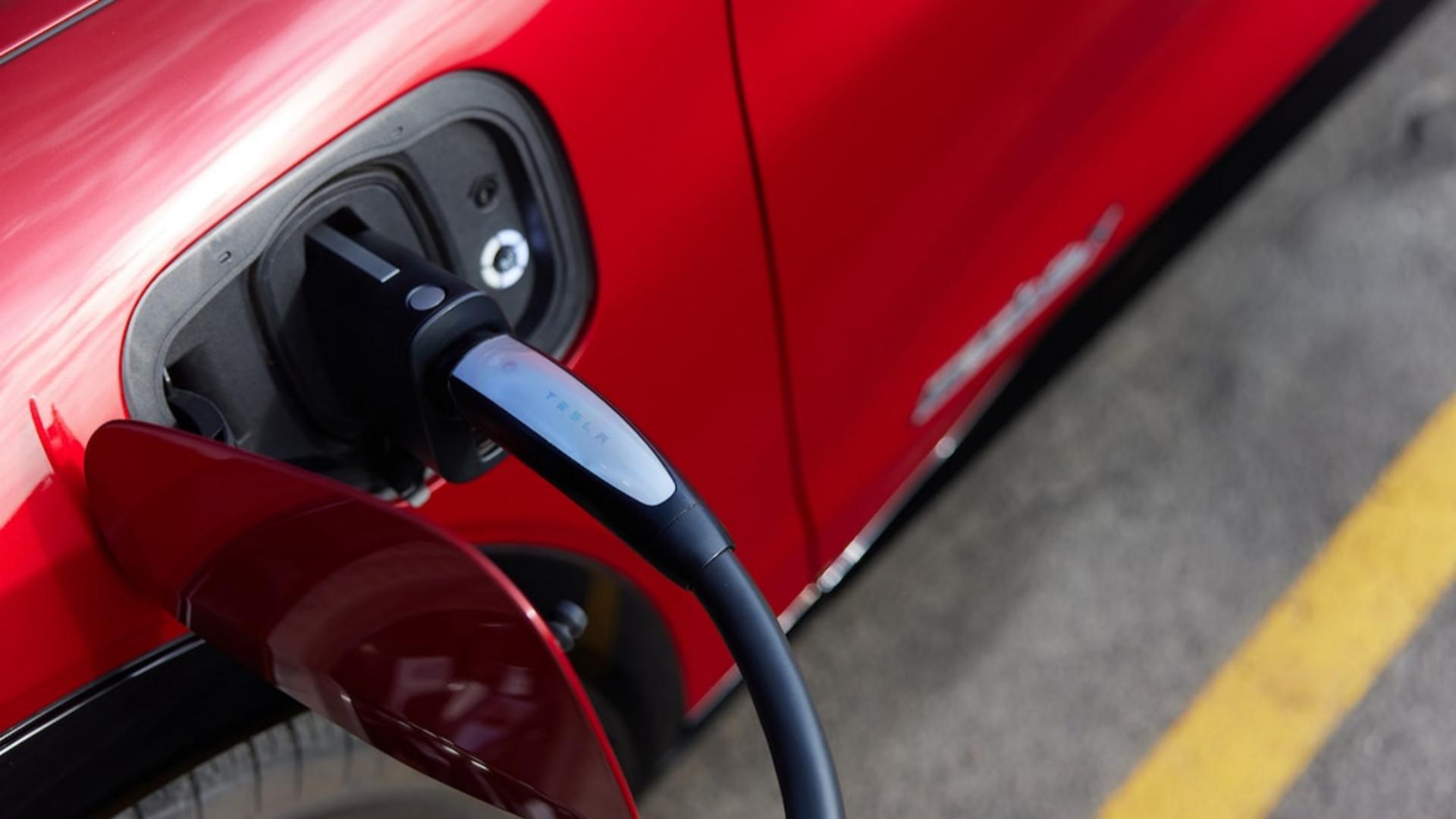
The North American Charging Standard (NACS), also known as SAE J3400, is the most mature and widely used standard in North America. Originally the Tesla charging connector, NACS provides a viable alternative to the CCS Combo connector.
For years, non-Tesla EV owners have criticized the CCS (especially the Combo connector) for being bulky and unreliable compared to Tesla's proprietary connector. In December 2023, SAE International released the Technical Information Report (TIR) for the SAE J3400 standard, detailing the development and implementation of the NACS interface, which can couple public and residential charging facilities with any EV from any manufacturer.
What is CCS Charging?The "Combined Charging System" (CCS) connector is essentially a compromise product. CCS is a standardized EV charging protocol that allows for both AC and DC charging using a single connector. Developed by the Charging Interface Initiative (CharIN), CCS ensures interoperability between different EV brands and charging infrastructures.
The CCS connector supports a range of charging power levels from 3.7 kW to 350 kW, depending on the EV and the charging station. This allows for slow overnight charging at home as well as rapid public charging that can provide 80% charge in just 20-30 minutes.
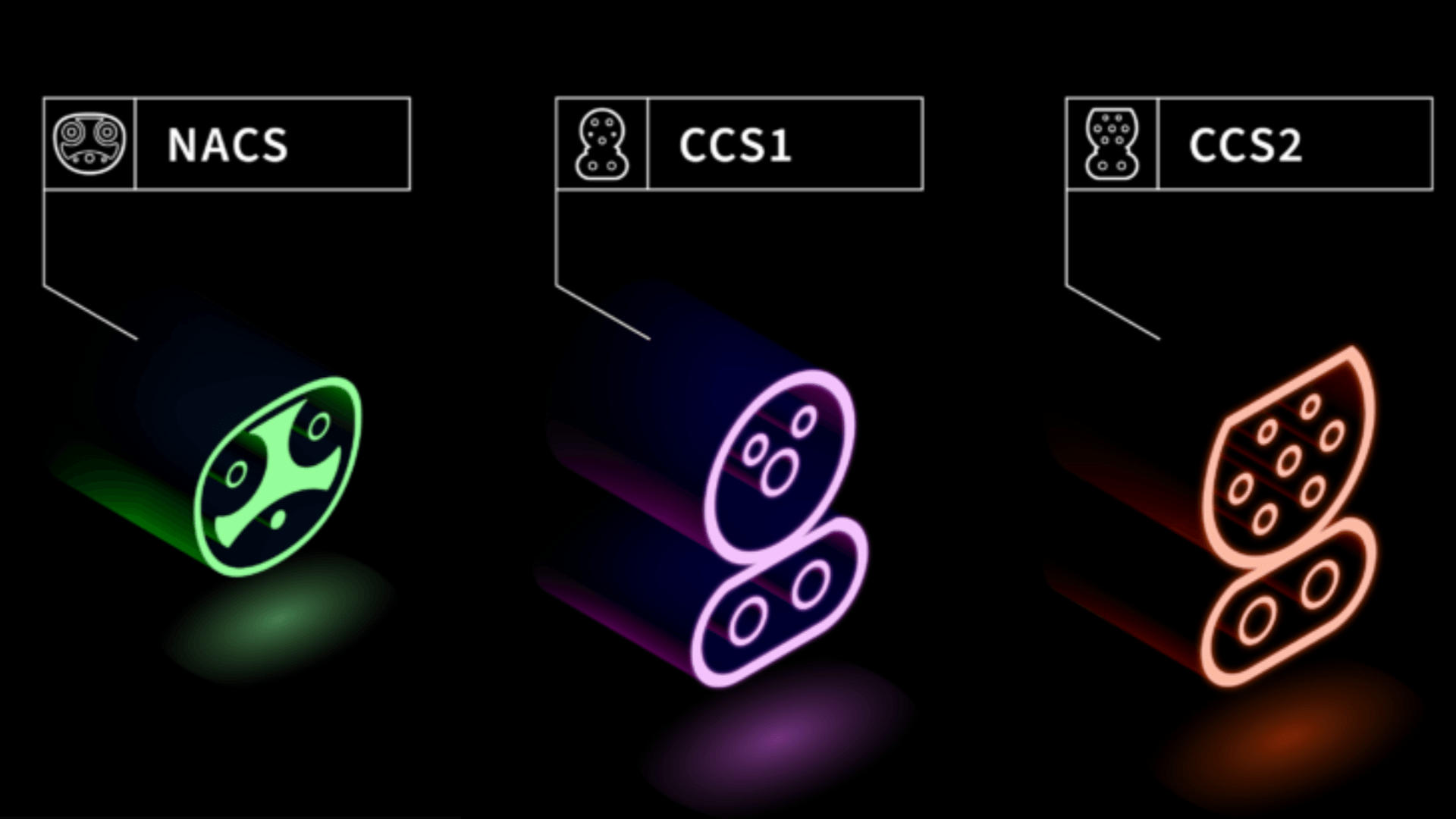
CCS vs. Tesla Charging Connector
The primary difference between CCS and Tesla's charging connector lies in the charging protocol and physical connector used. CCS is a widely adopted and supported standard by various automakers and infrastructure providers, whereas Tesla's connector is proprietary, offering faster charging speeds and the convenience of Tesla's Supercharger network.
Tesla announced in 2019 that its European models would transition to the CCS standard, enabling them to use both the Supercharger network and CCS-compatible charging stations. Implementing NACS in North America would similarly address charging convenience for Tesla owners.
Tesla's NACS Market Direction
NACS is the most common charging standard in North America. Tesla's Supercharger network with NACS outnumbers all CCS-equipped networks combined. In November 2022, Tesla announced the global opening of its EV connector design, now known as NACS. Local charging network operators and automakers will start incorporating the NACS design into their equipment and vehicles.
With the standardization of NACS, we can expect EVs designed with NACS to charge at Tesla's extensive Supercharger and Destination Charging networks, eliminating the need for bulky adapters.
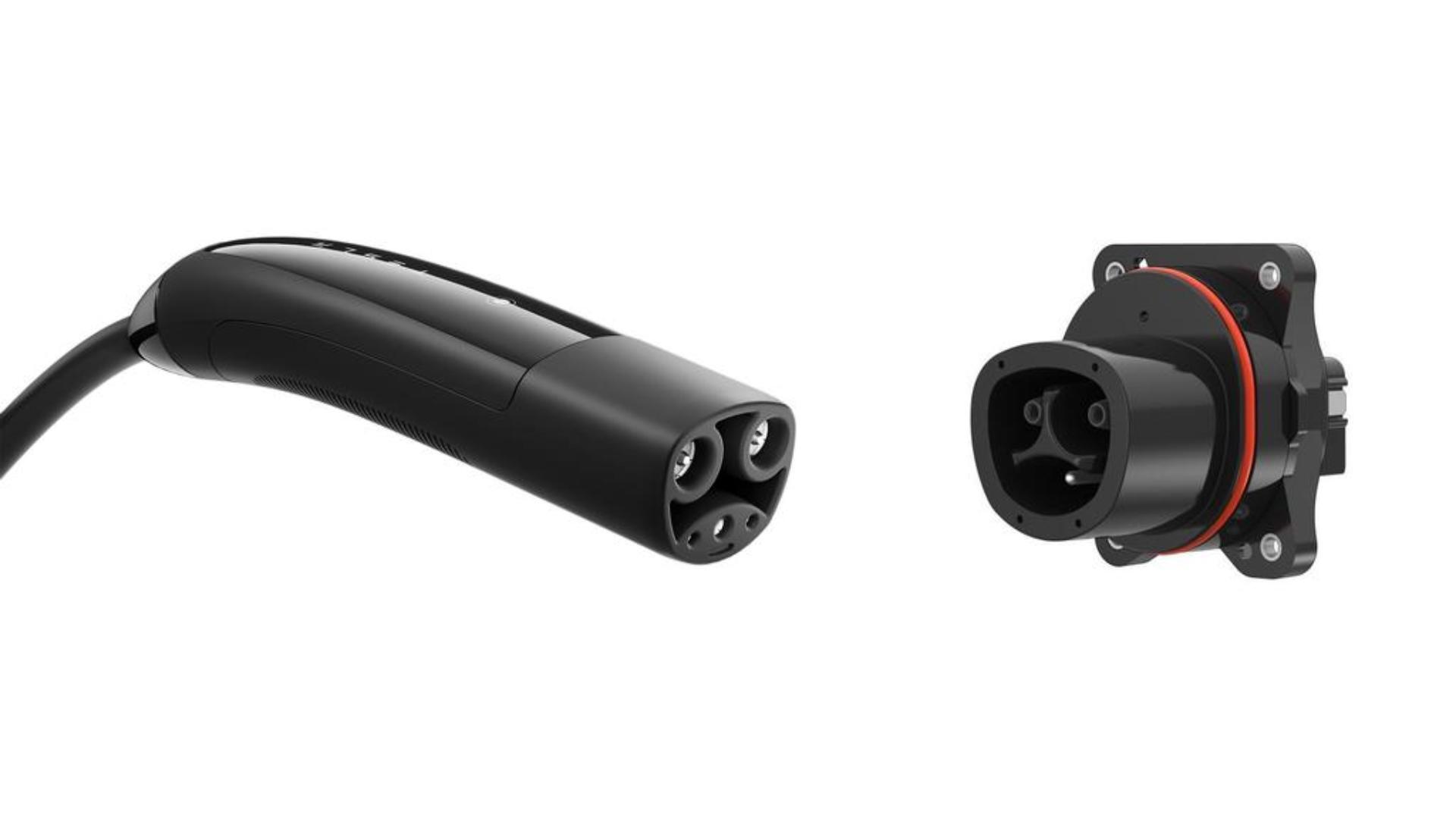
Direct Use of the NACS Protocol
According to official responses, the NACS protocol can be directly adopted as an electrical and mechanical interface independent of the usage scenario and communication protocol. Tesla's design ensures safety, limiting the voltage to 500V, while the NACS specification mentions a 1000V rating, suitable for fast charging.
The Impact on Older EVs
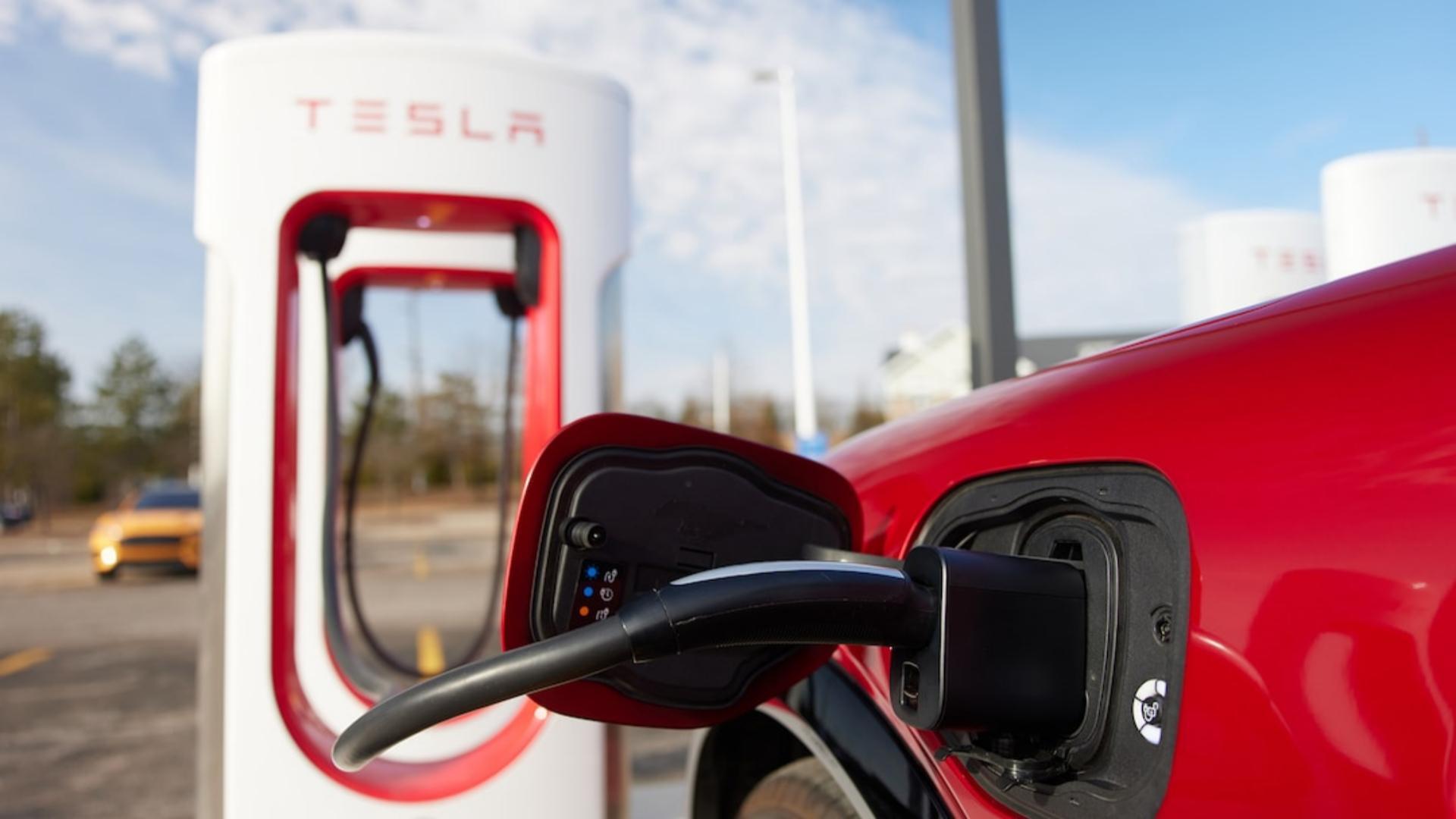
The standardization of the NACS connector by SAE International marks a significant milestone, providing clarity and assurance to developers, manufacturers, and EV enthusiasts. This encourages widespread adoption of the standard. For older EVs, Tesla has introduced Magic Docks at existing Supercharger stations, allowing CCS-compatible EVs to charge at up to 250 kW, although some users report being limited to 42 kW.
Availability of NACS Adapters
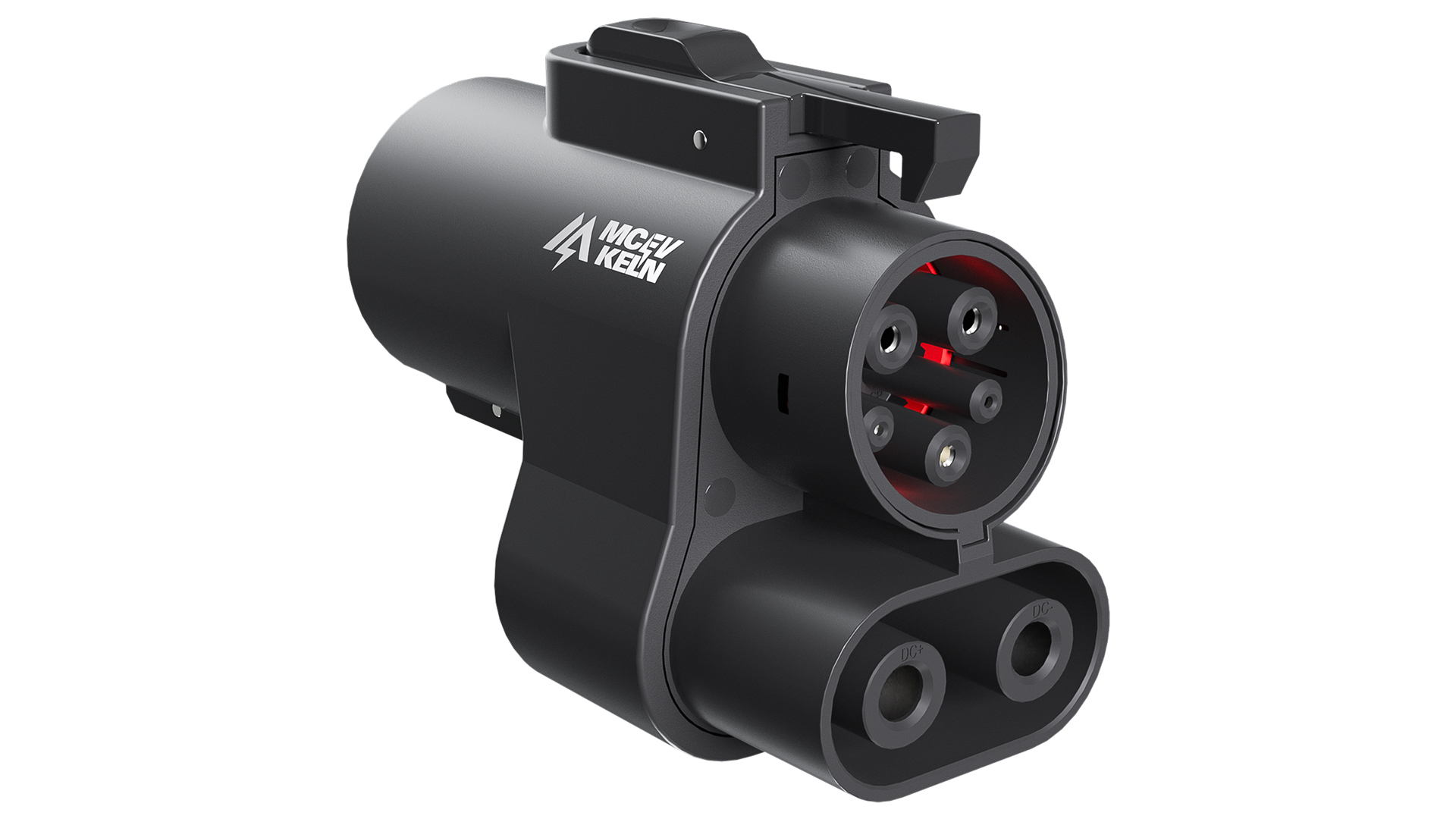
While the first non-Tesla EVs compatible with NACS won't be available until 2025, various automakers and third-party manufacturers have already released their own NACS to CCS adapters. The MCEVKELN NACS to CCS adapter, launched in July 2024, allows CCS-compatible EVs to use over 12,000 NACS charging stations. With a rated current of 500A and voltage of 1000V, it provides a faster and more efficient charging experience.
Ford and Rivian Support
Ford is offering free NACS to CCS adapters to eligible Mustang Mach-E and F-150 Lightning owners in the US and Canada from February 29 to June 30, 2024. From July 2024, the adapter will be sold for $230 plus taxes and shipping. Rivian also announced that from April 2024, it will provide free NACS to CCS adapters for R1S SUV and R1T truck owners, compatible with Supercharger V3 and V4 stations.
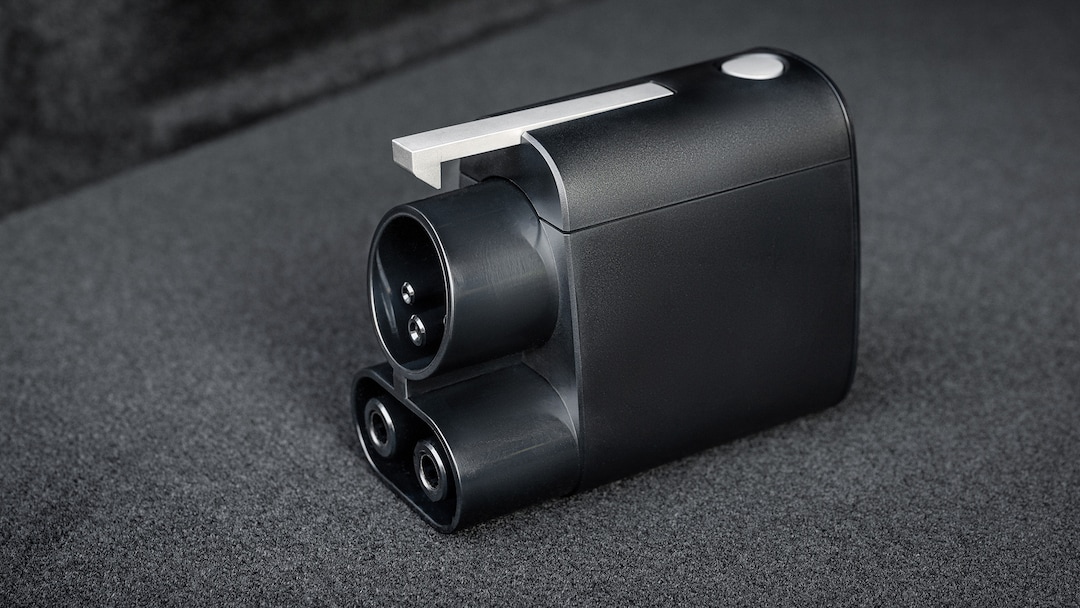
Given the support from prominent companies, NACS is poised to replace CCS. Once standardized in fall 2024, it will likely be widely adopted by major automakers, potentially becoming the preferred EV charging standard due to its existing popularity and Tesla's extensive charging infrastructure.
Third-Party Options
For those unable to quickly obtain free official adapters, third-party providers like MCEVKELN offer alternatives. During the product launch, MCEVKELN offers a $20 discount and next-day shipping, ensuring the adapter reaches any major address in North America within 10 days.
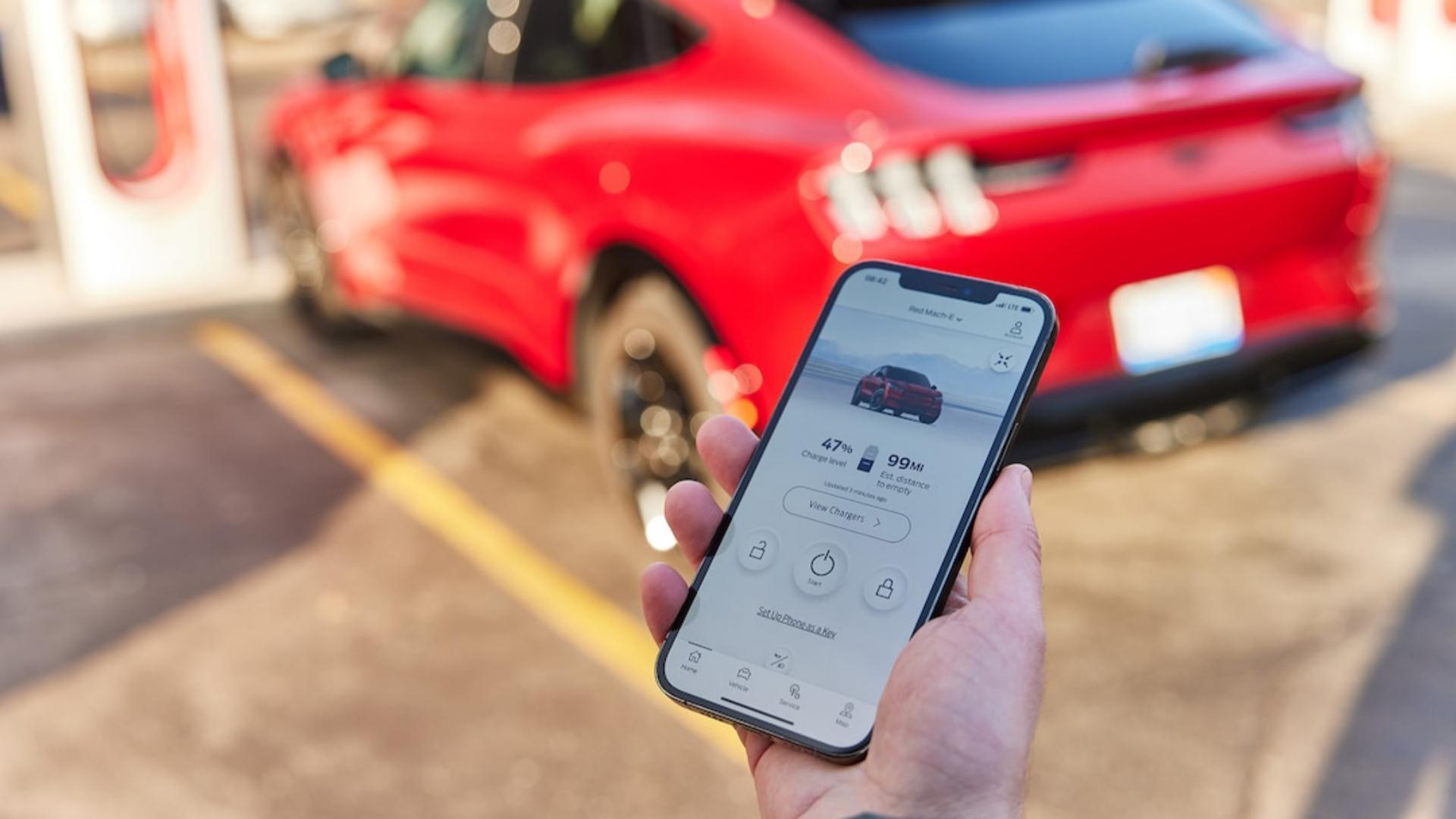
The transition to NACS represents a significant shift in the EV charging landscape, promising greater convenience and efficiency for all EV owners. Whether through official channels or third-party providers, adapters like the NACS to CCS adapter will bridge the gap, allowing for seamless and rapid charging experiences.