Many car enthusiasts hesitate to embrace electric vehicles (EVs) due to concerns about reduced range in winter. The advertised mileage often falls short, especially during colder months, making EVs appear less reliable. Let's delve into the reasons behind this winter range reduction, addressing the impact of decreased battery activity and the energy-intensive nature of electric heating systems.
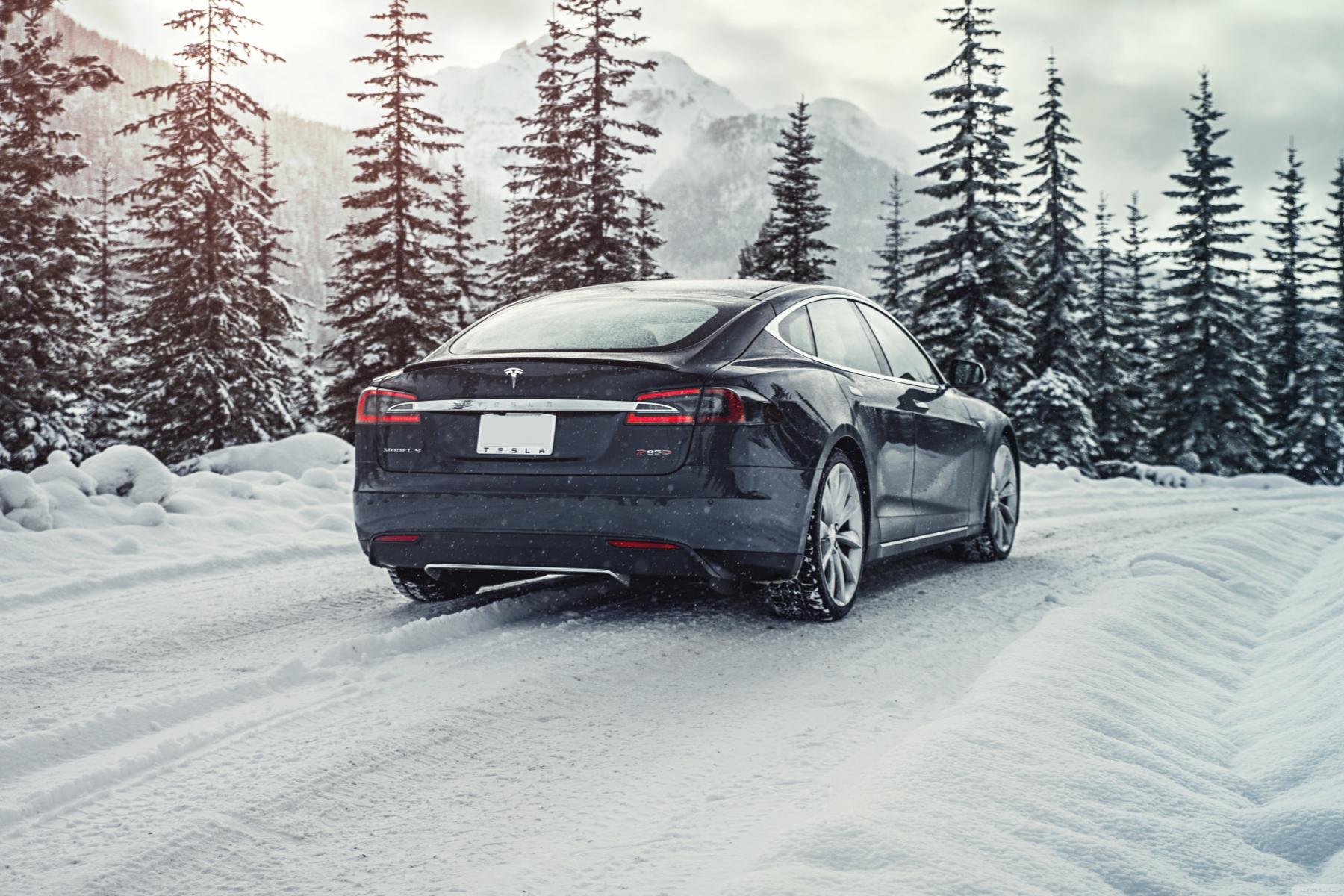
Car owners' apprehensions are not unfounded, as winter significantly affects the activity of EV batteries. Regardless of the battery type or shape, the core structure involves positive and negative terminals immersed in an electrolyte. In colder temperatures, the electrolyte becomes less active, leading to diminished chemical reactions and, consequently, reduced electricity generation. This phenomenon is akin to the slower reaction rates observed in chemistry experiments at lower temperatures.
Additionally, extremely cold weather may cause the electrolyte to thicken or even freeze, impeding the movement of lithium ions between positive and negative terminals. While the latter scenario is rare, temperatures below -50°C might lead to the solidification of the electrolyte, rendering the battery non-operational.
Furthermore, the necessity of using the heating system in EVs during winter exacerbates the range issue. Unlike traditional vehicles that utilize engine heat for cabin warming, EVs often rely on electric heaters, resulting in increased power consumption. Most EVs employ PTC heating systems, which use electric resistance to generate heat. This additional energy demand, coupled with reduced battery efficiency in cold temperatures, contributes to a significant decrease in winter range.
Despite the challenges posed by winter conditions, continuous advancements in EV technology aim to mitigate these issues. Manufacturers like BYD are implementing innovative solutions such as heat pump heating systems, which not only warm the cabin but also provide thermal management for the battery.The heat pump system operates by extracting warmth from the surroundings, even in cold weather, and directing it into the cabin. Simultaneously, it helps maintain the optimal temperature for the battery, preventing the drastic efficiency losses observed in conventional electric heating methods.
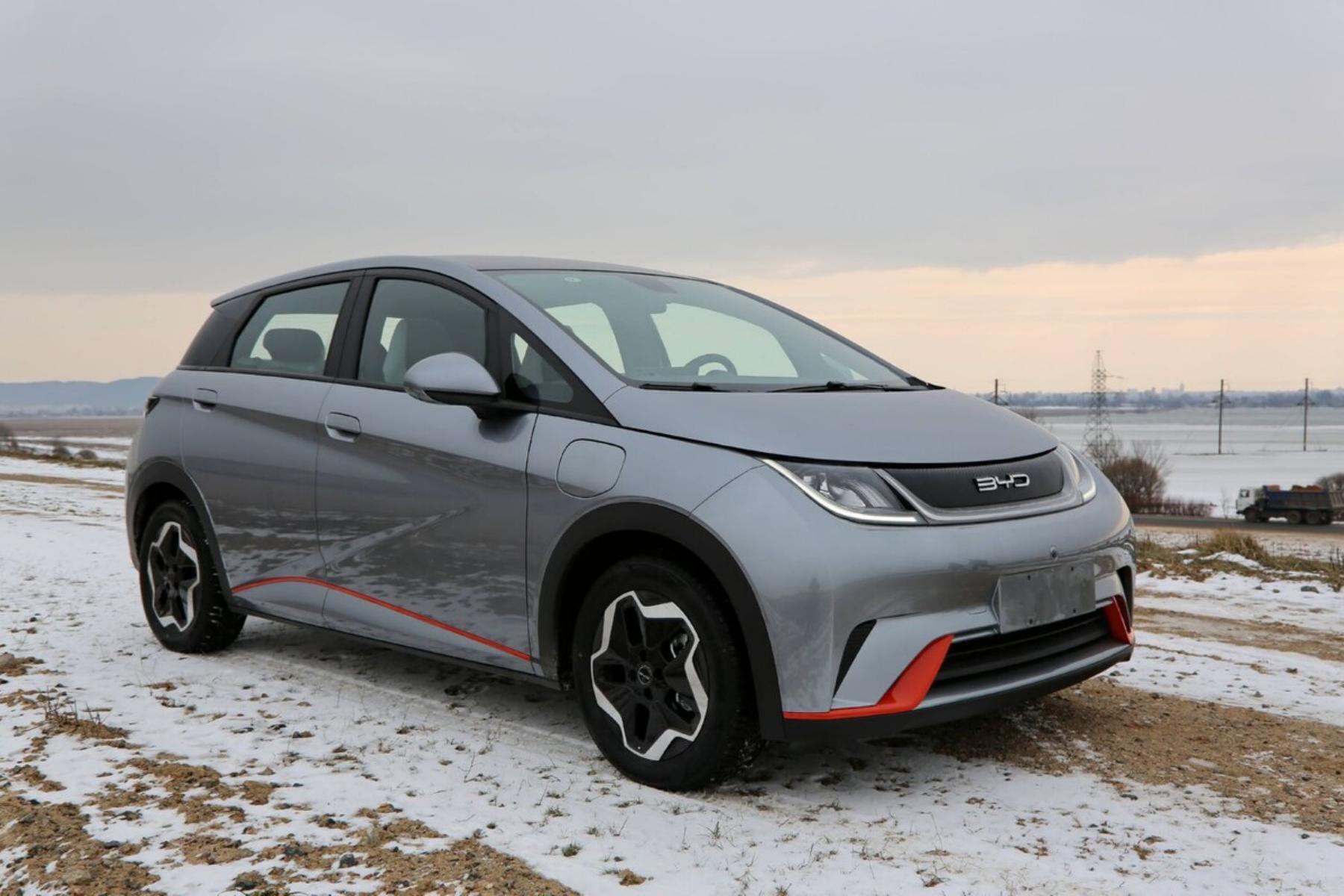
An exemplary case is BYD's Dolphin model, equipped with an advanced heat pump system. Even at temperatures as low as -7°C, the Dolphin experiences only a 20% reduction in range compared to normal conditions. This showcases the effectiveness of BYD's commitment to developing electric vehicles that perform optimally in winter climates.
As the industry evolves, these improvements will play a crucial role in addressing the seasonal range reduction concerns associated with electric vehicles.