In the realm of urban delivery services, electric trucks are emerging as a more economically viable option. A recent report by the UK market research company IDTechEx predicts a substantial surge in the sales of electric trucks, with market revenue expected to grow nearly tenfold by 2030, reaching 2.4 million units annually.
The Shift Towards Electric Trucks
According to IDTechEx, the shift towards electric trucks is not merely driven by environmental concerns but is increasingly becoming a pragmatic choice for businesses navigating economic challenges. The report suggests that discussions on road vehicle electrification have typically focused on climate change and the detrimental effects of exhaust emissions on human health.
Total Cost of Ownership (TCO) as the Game-Changer
However, the dynamics in the electric light commercial vehicle (LCV) market are poised for change. The driving force behind businesses transitioning to electric LCVs is shifting from environmental considerations to economic factors. The report emphasizes that procurement decisions of LCV operators are primarily based on Total Cost of Ownership (TCO), considering not just the purchase price but the overall cost of ownership.
TCO Balance Tipping in Favor of Electric LCVs
Despite higher upfront costs, electric LCVs offset this disadvantage with significant operational cost savings derived from using electricity as fuel. The study claims that the TCO of small electric LCVs is expected to match that of diesel counterparts as early as 2025.
Future Outlook and Competitive Advantage
Over the next decade, as battery prices decrease, the efficiency of electric drivetrain systems improves, and economies of scale lead to substantial cost savings in manufacturing, operating electric trucks will become a competitive advantage for companies. The report predicts that the addition of diesel road tolls in low-emission zones within city centers will further tilt the TCO balance heavily in favor of electric LCVs.
Industry Transformations and Major Players
Numerous automotive OEMs, startups, and delivery companies have already begun transitioning their fleets. Companies like Renault, Nissan, and Mercedes-Benz have introduced electric trucks, while logistics giants like UPS have signed substantial agreements for the procurement of battery-powered delivery vehicles. Traditional automakers like Hyundai and Kia are also investing heavily in collaborative efforts to develop electric vehicles for logistics, on-demand ridesharing, and shuttle services.
The Global Landscape
Looking ahead, the global adoption of electric light commercial vehicles is set to significantly reduce logistics costs for various urban delivery businesses in Australia. Imagine harnessing solar energy from warehouse rooftops during the day to power transportation vehicles during non-working hours—what an economically sound arrangement that could be.
Noteworthy Collaborations and Investments
Major players in the industry are already making substantial moves towards electric vehicles. For instance, Arrival, a UK-based electric vehicle startup, has signed a multi-million Euro agreement with UPS to provide at least 10,000 battery-powered delivery trucks by 2024. Hyundai and Kia recently jointly invested €100 million (approximately AUD 160 million) in a UK-based company to co-develop medium-sized electric vehicles for logistics, on-demand ridesharing, and shuttle services.
Amazon's Ambitious Plans
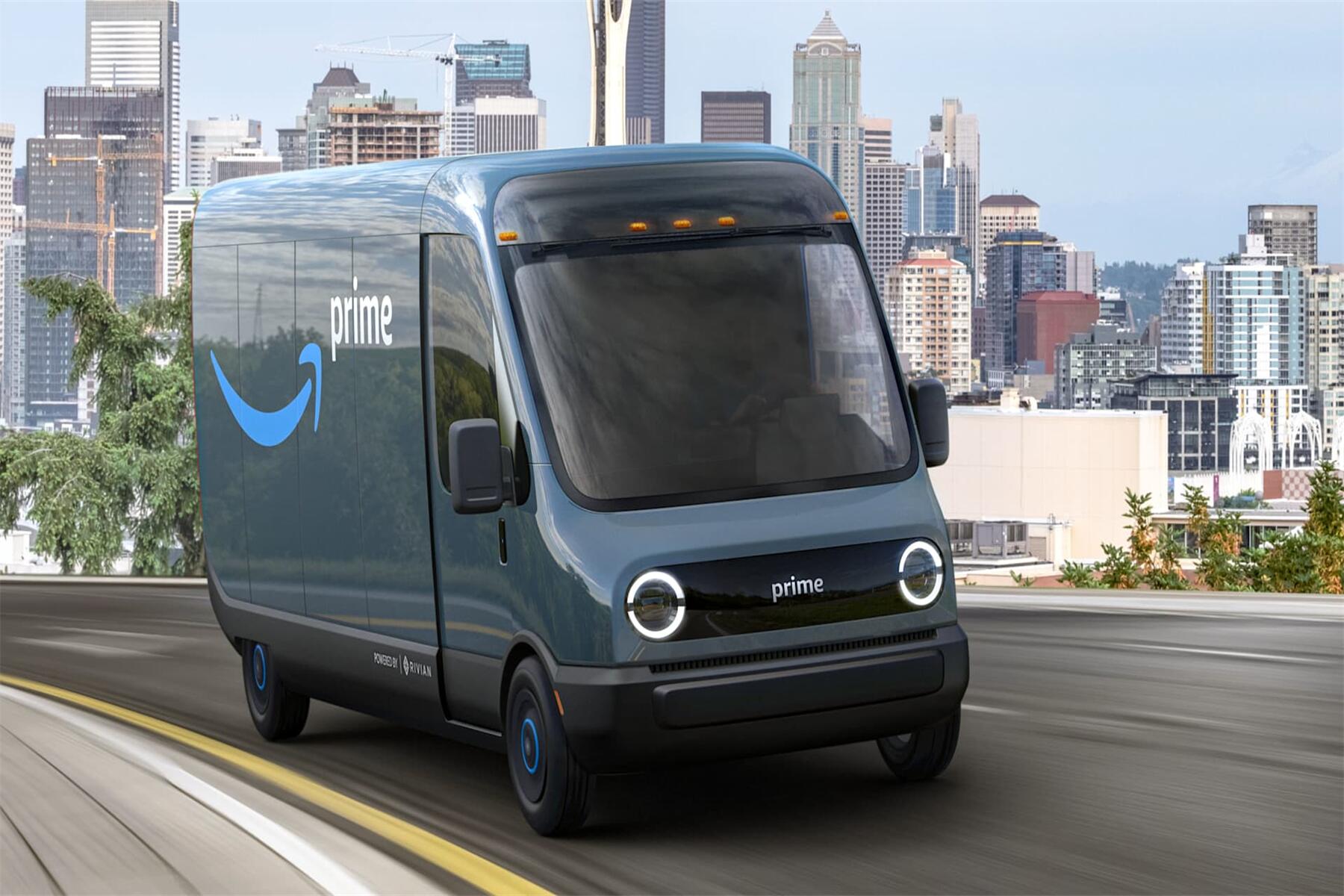
In the US, e-commerce giant Amazon announced its order of 100,000 electric delivery trucks from Rivian. The company aims to have 10,000 of these vehicles on the road by the end of 2022 and plans to operate 100,000 electric trucks by 2030. Similarly, in Australia, freight heavyweight Team Global Express ordered 36 FL Electric trucks from Volvo, which hit the streets in the third quarter of 2023.
Growth in China and International Markets
Chinese electric vehicle manufacturer London Electric Vehicle Company, a subsidiary of Geely, revealed plans to introduce a fully electric cargo van to its product lineup. This addition will complement their existing hybrid TX taxi and shuttle models. Currently, electric light commercial vehicles from mainland China, particularly those under the LDV brand, dominate sales in Australia.
LDV's Impact on the Australian Market
In Australia, LDV's electric light commercial vehicles have gained traction, particularly the LDV eDeliver 9 series. These models, such as the eDeliver 9 Long wheelbase/Mid roof and eDeliver 9 Long wheelbase/High roof, are priced at AUD 116,537 and AUD 118,836, respectively. Both models feature an 88.5kWh battery, providing a range of up to 280 kilometers on a full charge.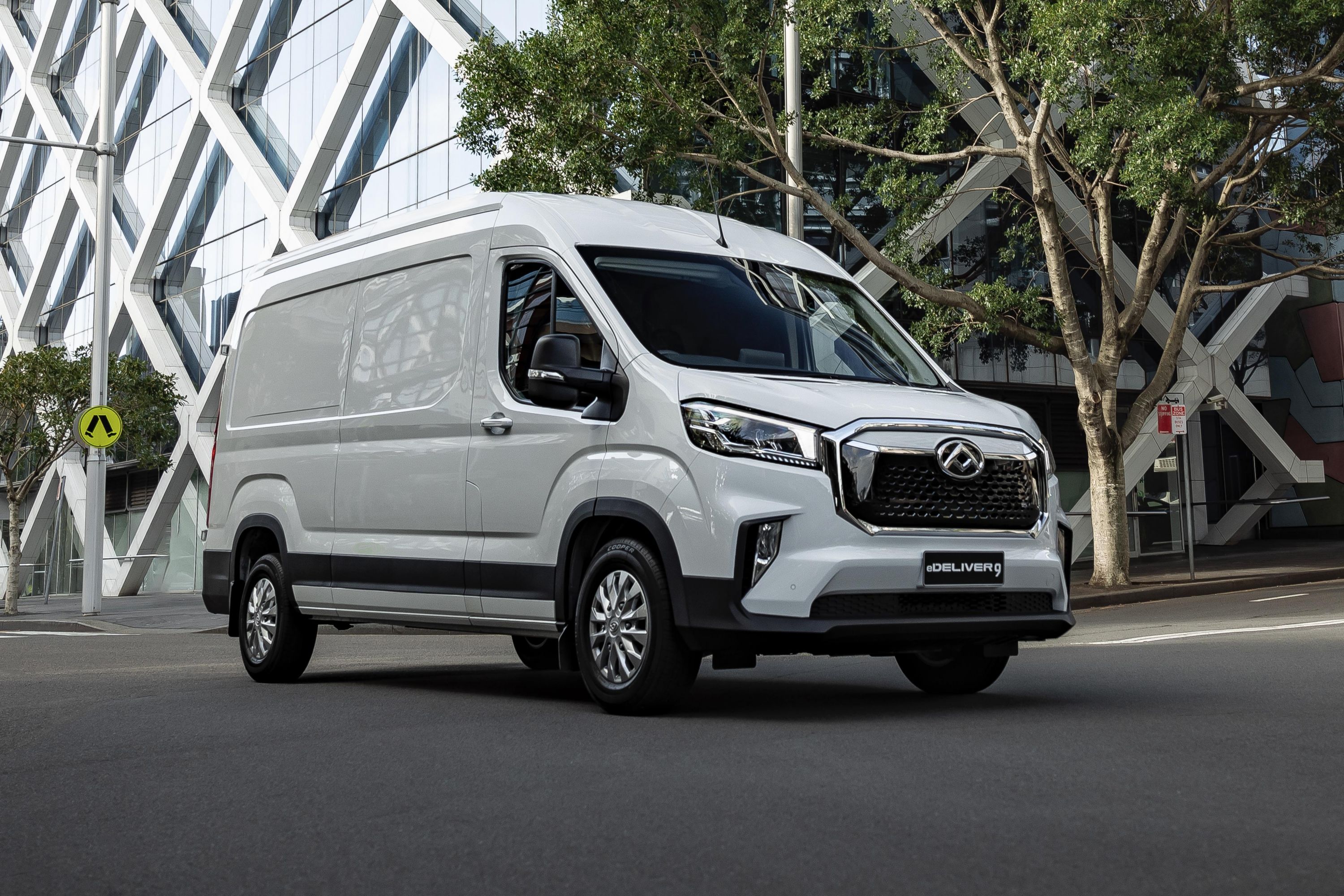
LDV's electric LCVs offer ample space for tools, materials, and delivered goods. The Long wheelbase/Mid roof variant boasts a cargo volume of 10.9 cubic meters and a payload capacity of 1,410 kilograms. On the other hand, the Long wheelbase/High roof version provides a cargo volume of 12.3 cubic meters and a payload capacity of 1,350 kilograms.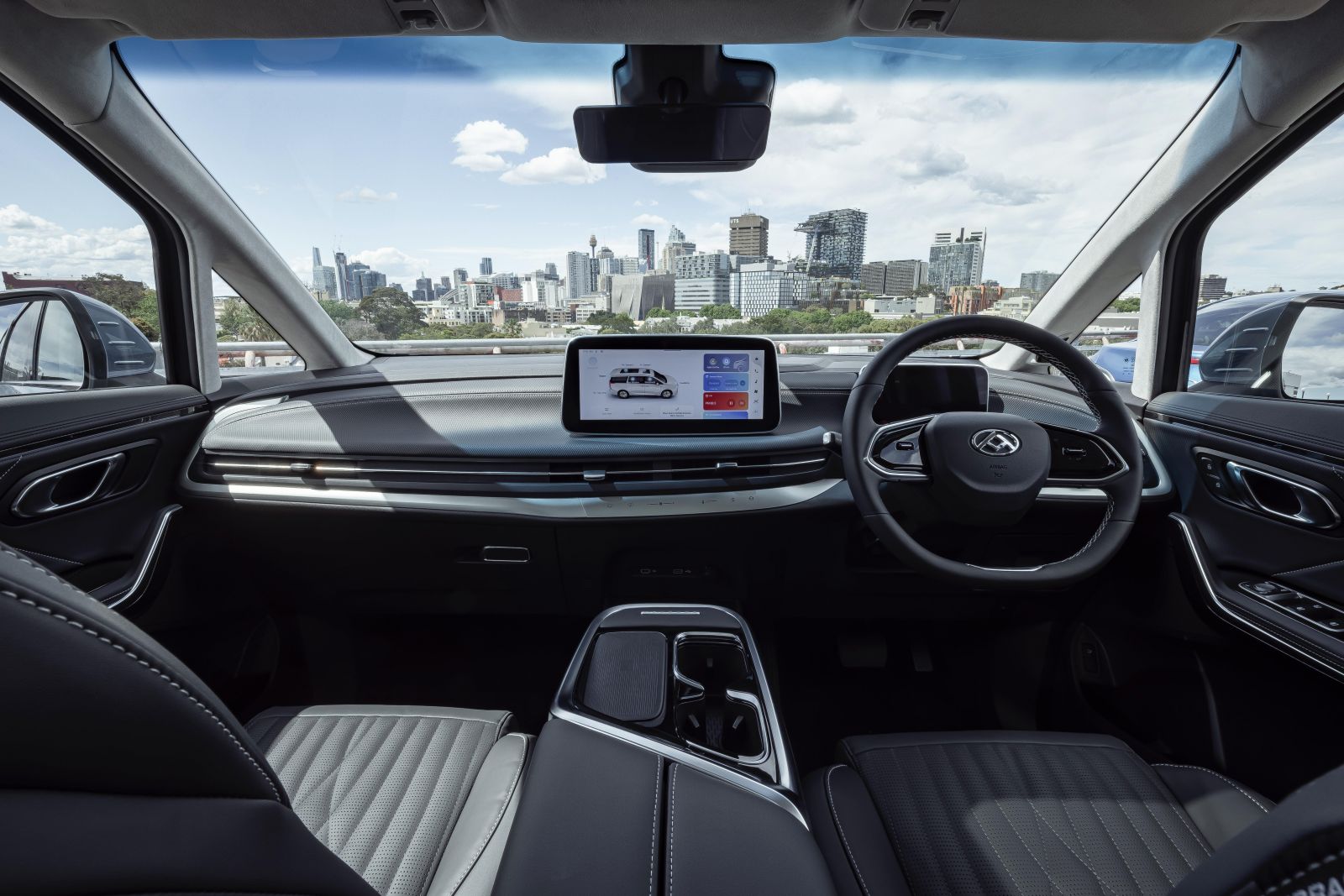
Every new eDeliver 9 comes with LDV's comprehensive factory support, offering a 5-year or 160,000-kilometer warranty. Additionally, the battery enjoys an 8-year or 160,000-kilometer warranty. LDV has established after-sales service centers in Lidcombe, New South Wales, ensuring ongoing support for their electric LCVs.
The Future Vision
As the electric light commercial vehicle market continues to mature, Australian businesses can anticipate a significant reduction in logistics costs for supermarket owners, central kitchen operators, residential construction contractors, and other urban delivery services. Picture the economic advantages of utilizing solar energy from warehouse rooftops to power transport vehicles during non-operational hours.
The future of urban delivery services is undeniably intertwined with the rise of electric trucks. As businesses prioritize economic considerations over environmental altruism, the shift towards electric light commercial vehicles becomes not just a sustainable but a financially prudent choice. With advancements in technology, decreasing costs, and a growing commitment to green logistics, electric trucks are poised to shape the future of urban delivery services worldwide.
For further information and inquiries about cost-effective Chinese electric light commercial vehicles, feel free to reach out to us at info@Mcevkeln.com. We are here to provide insights into the future of urban delivery services and the value proposition of electric trucks in Australia and beyond.