Porsche Introduces 11kW Wireless Charging — A Glimpse Into the Future or Just a Luxury Option?
The future of EV charging may no longer require cables — at least if Porsche has its way. The German automaker has officially unveiled an 11 kW wireless charging system designed for its upcoming all-electric Cayenne EV, marking one of the first publicly available inductive charging pads for passenger vehicles.
At the Munich IAA Mobility Show, Porsche representatives confirmed that the wireless charging pad will be available in Germany next year, priced at around €5,000 (≈ US $5,885) including VAT. That’s nearly ten times the cost of a standard Level 2 wall-mounted EV charger, such as Tesla’s Wall Connector, which retails in Germany for roughly €535 (≈ US $630).
And that’s not the end of the bill. To enable inductive charging, the Cayenne EV will also require dedicated onboard hardware, pushing the total system cost close to €7,000 (≈ US $8,240). That’s quite an investment for the convenience of parking over a pad and charging without ever plugging in.
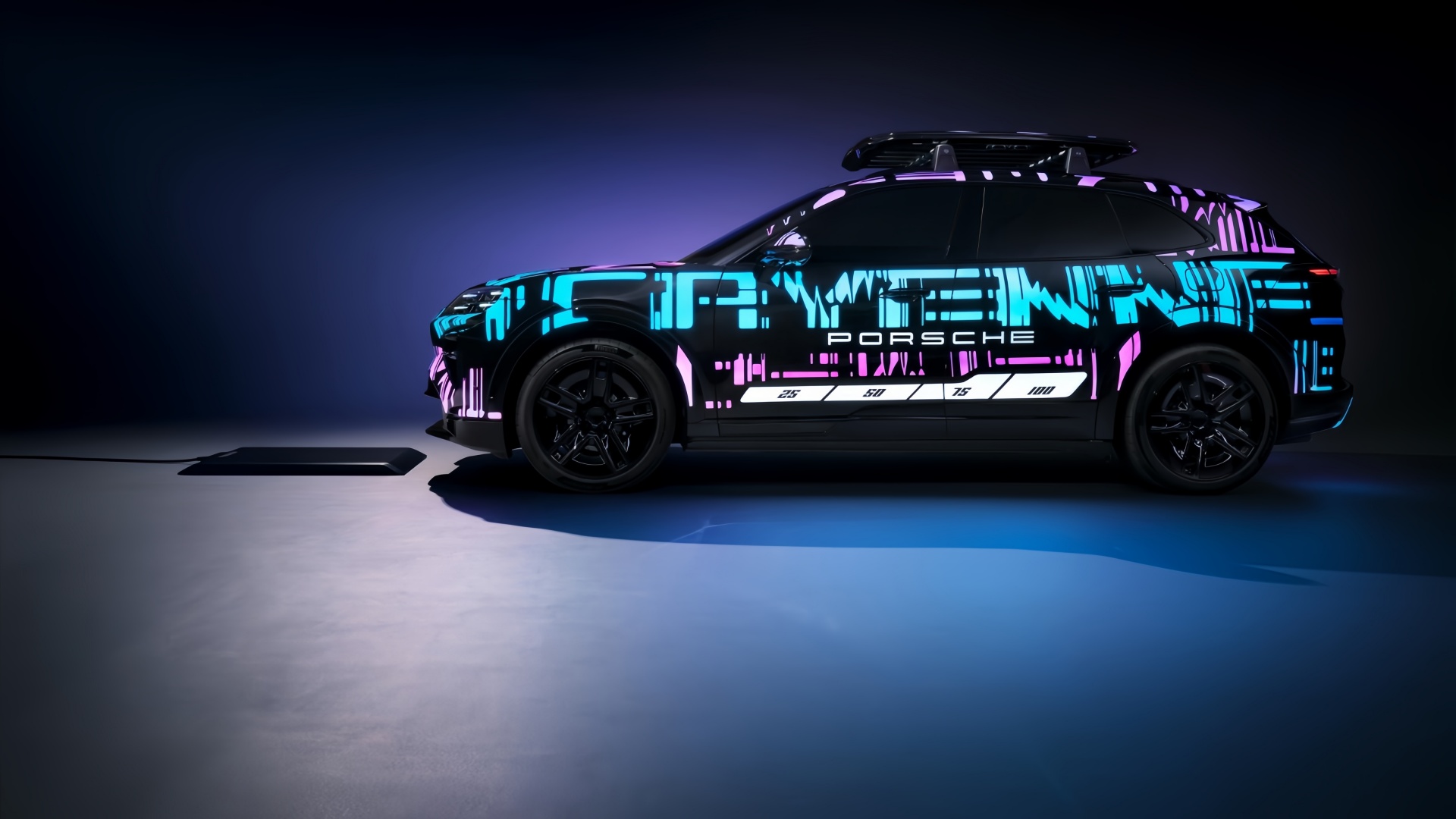
Photo From Porche
Convenience at a Price
There’s no denying the appeal of wireless charging: no cables to handle, no connectors to wear out, and no chance of forgetting to plug in overnight. The pad itself weighs about 50 kg (110 lbs) and connects directly to the home’s main power supply — no external junction box required. Porsche offers both single-phase (48A) and three-phase (16A) versions, each delivering a maximum 11 kW output.
From a safety and durability standpoint, Porsche has gone the extra mile. The charging pad is waterproof, includes a service hatch, and uses radar sensors to detect metal objects, pets, or people — automatically halting charging when necessary. On the vehicle side, the receiver is liquid-cooled and sends DC power straight to the high-voltage battery, bypassing the onboard AC charger for improved efficiency. The transmitter pad is air-cooled, maintaining optimal temperature under sustained operation.
According to Porsche, the system achieves up to 90% efficiency, which, while slightly lower than the 94% efficiency typical of wired charging, remains impressive for a wireless setup.
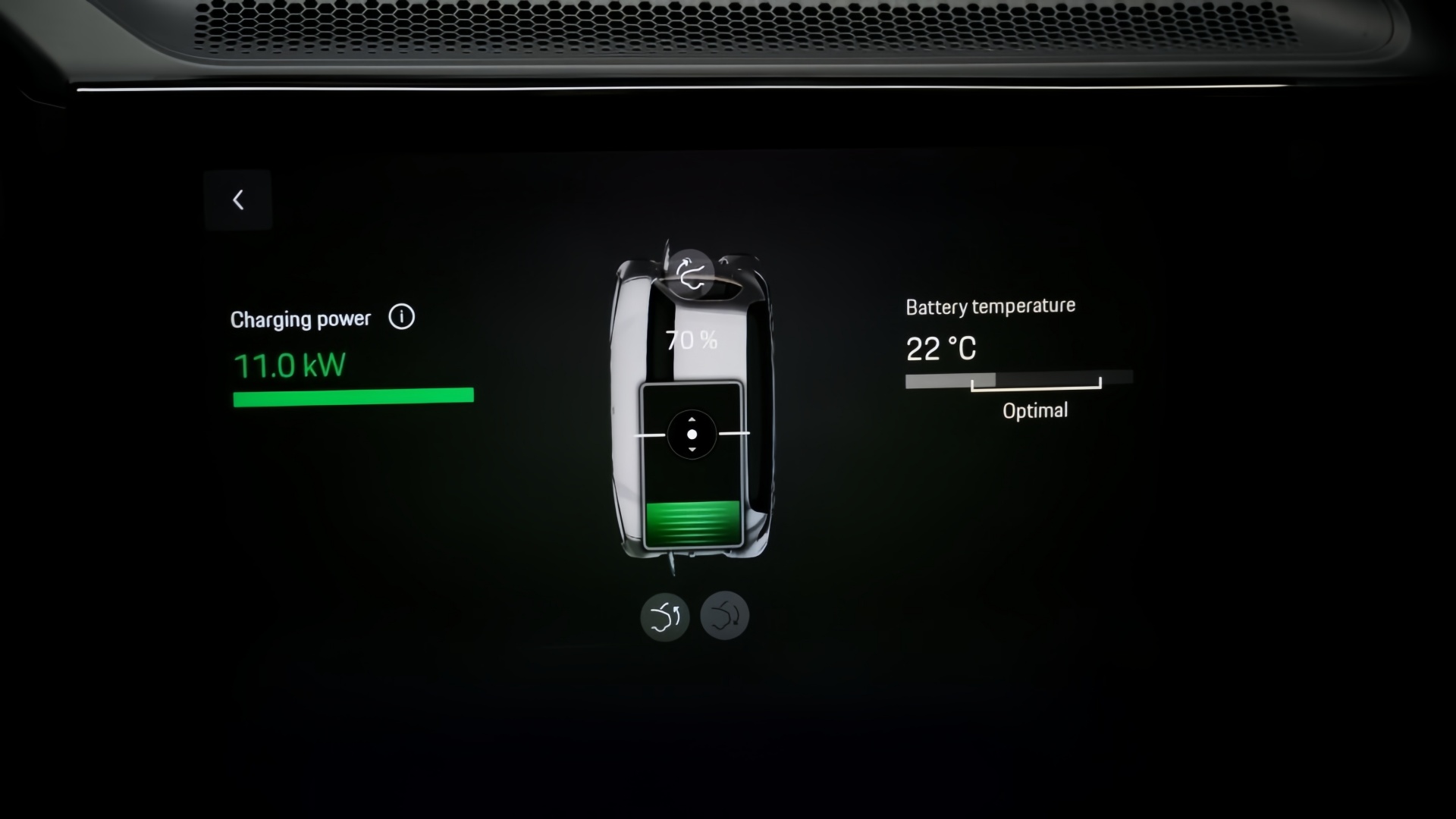
Photo From Porche
A Niche Feature — For Now
Although Porsche hasn’t announced U.S. pricing, the brand’s North American spokesperson confirmed that the system will eventually reach the U.S. market, with final pricing and configuration options expected later this year. The key question is whether wireless charging will be offered as a standard or optional feature — and how many customers are willing to pay a premium for it.
In China, however, the idea isn’t entirely new. IM Motors (Zhiji Auto) introduced a wireless 11 kW charging option for its L7 sedan as early as 2023. Despite boasting 95% efficiency — nearly matching that of wired charging — the option cost ¥18,999 CNY, nearly ten times more than a regular charger. Moreover, since the system required factory-installed onboard upgrades, it couldn’t be retrofitted post-purchase. Subsequent L7 models quietly dropped the feature, suggesting that real-world adoption remains limited.
Why Wired Charging Still Rules
While wireless charging is an exciting innovation, most EV owners still find wall-mounted or portable chargers far more practical and cost-effective.
-
Wall-mounted Level 2 chargers remain the most popular home solution. They offer up to 11–22 kW charging power, are easy to install, and compatible with virtually all EVs on the market.
-
Portable EVSE units, on the other hand, offer unmatched flexibility — perfect for drivers who travel frequently or live in apartments without fixed parking spots.
Both wired solutions are affordable, reliable, and highly efficient, making them the go-to choice for everyday EV charging.
Wireless charging, by contrast, is still an early-stage premium feature, best suited to luxury buyers or fleet environments where plug-free convenience justifies the cost. But as with all technology, prices will drop and efficiency will rise over time. When that happens, inductive charging could eventually become as common as today’s wall connectors.
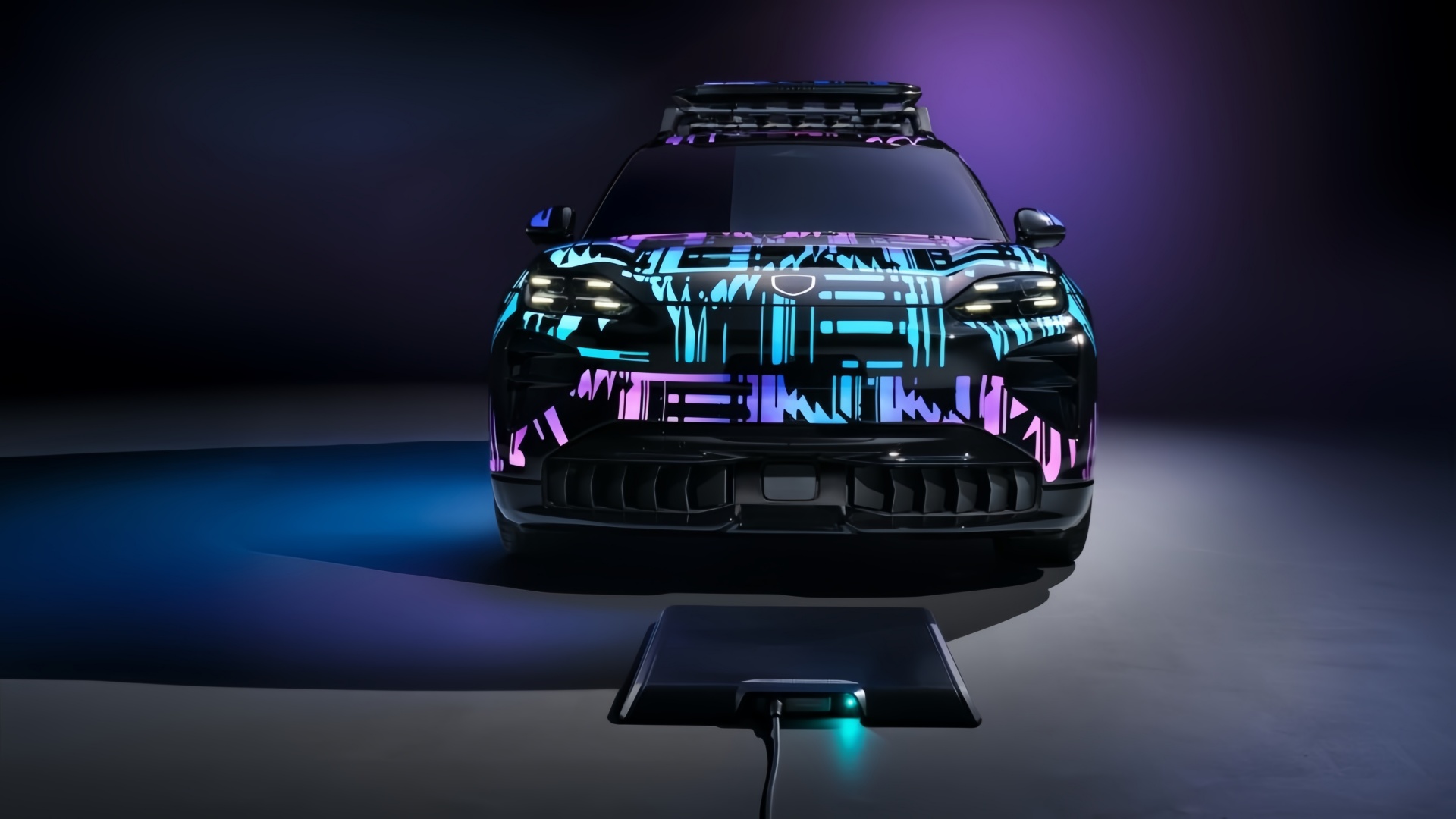
Photo From Porche
Final Thoughts
Porsche’s new 11 kW wireless charging pad represents a technical milestone and a glimpse into a more seamless EV future. Yet, for most drivers, traditional EVSE solutions — both wall-mounted and portable — remain the smartest balance of performance, cost, and practicality.
In other words: the dream of wireless charging is real, but for now, a high-quality cable still gives you the best charge for your money.