The Ford Mustang Mach-E is currently being used to test a new low-conductivity coolant, which Prestone’s Electric Vehicle Technology Director, Tom Corrigan, suggests could be available within two years.
Automakers and engineers are working to enhance EV efficiency, both in driving and charging, and reduce fire risks by focusing on every component under the hood, including the coolants in EV cooling systems.
Prestone, established in 1927, was a pioneer in using non-flammable ethylene glycol as antifreeze/coolant and has maintained its innovative edge since then.
Differences in Cooling Systems
EVs and internal combustion engine (ICE) vehicles have distinct cooling systems operating at different temperatures. However, both use ethylene glycol coolant. This is about to change.
In ICE vehicles, coolant transfers heat from the engine and other components, maintaining optimal temperatures. Ethylene glycol is crucial here due to its higher boiling point compared to water, preventing overheating, and its lower freezing point, preventing ice formation in extreme winter conditions.
ICE vehicles use a series of pipes and a pump to circulate coolant through hot engine areas and then to a radiator, where fans cool the high-temperature liquid.
EVs also generate heat, mainly in the battery, necessitating coolant to keep it at safe operating temperatures. EV coolant’s operating temperature is lower (50°C vs. 100°C in ICE vehicles), slowing down oxidation and thermal decomposition processes, extending the coolant's lifespan.
Coolant Requirements for EVs
With the global rise of EV popularity, more companies are entering the market, and technological advancements are accelerating.
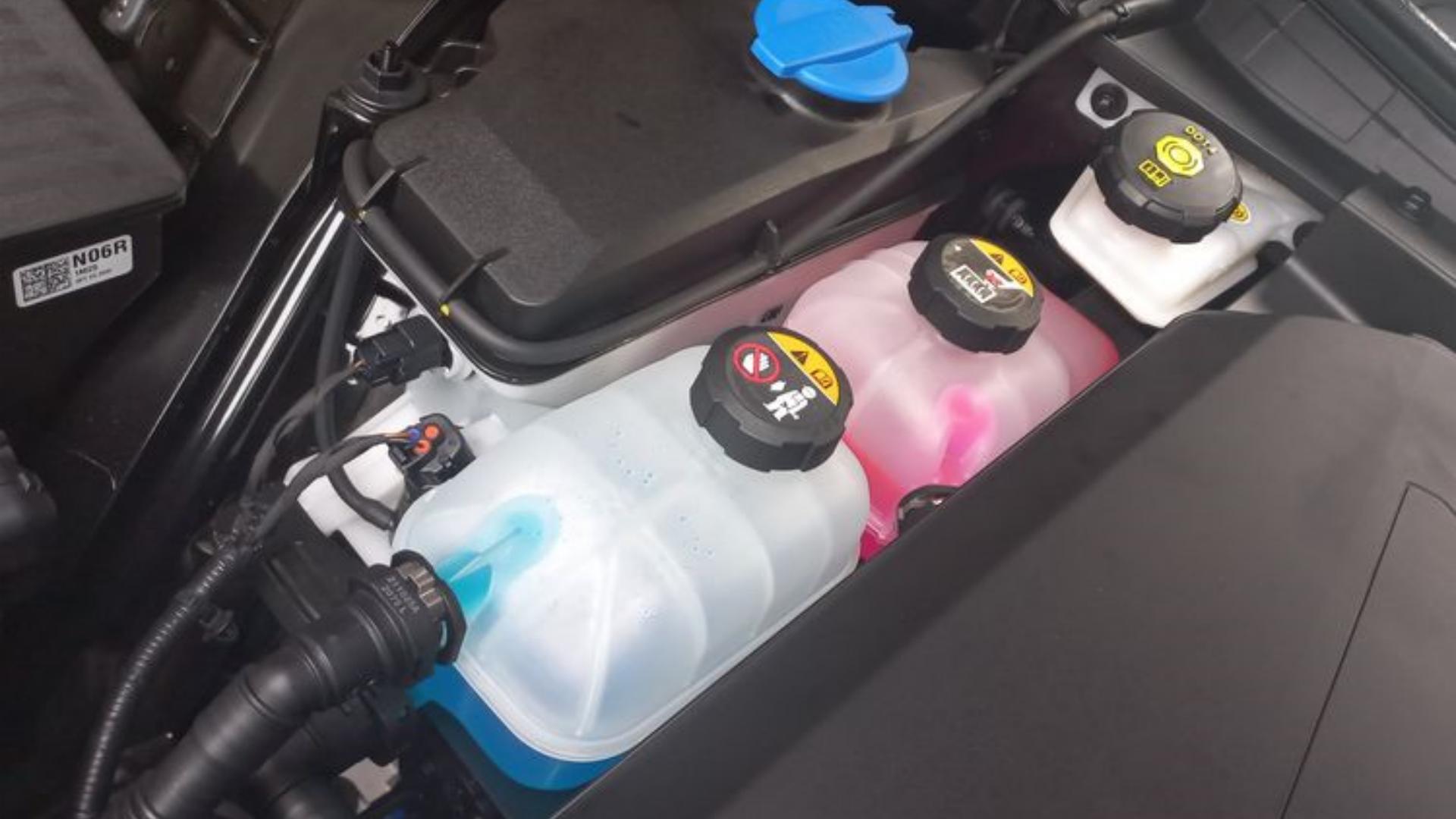
In EVs, coolant circulates through cooling channels around the battery, similar to traditional vehicles, but this is called indirect cooling in EVs. The challenge with ethylene glycol coolant in EVs is ionization upon contact with system metals and plastics, increasing conductivity and reducing efficiency.
Increased or decreased conductivity beyond optimal ranges can cause higher energy loss, system damage, and poor heat transfer. If highly conductive coolant leaks onto the battery, it could lead to catastrophic failures over time.
Corrigan states, "Essentially, EVs are borrowing coolant from ICEs. In the next year or two, we will see changes in coolant composition," driven primarily by safety concerns related to coolant conductivity.
Reducing Conductivity
Liquid cooling is vital in EV thermal management systems, circulating coolant through channels or plates in contact with the battery, offering better heat transfer and maintaining uniform battery temperature.
Conductivity measures the solution's ability to conduct electricity between two electrodes, measured in microsiemens/cm. ICE coolant conductivity ranges from 3000 to 5000 microsiemens/cm, which is manageable since coolant doesn’t cool electrical components as in EVs.
Most automakers require EV fluid conductivity to be 100 microsiemens/cm. For fuel cell vehicles (FCVs), the target is as low as 1.5 microsiemens/cm, possibly dropping to 0.5 microsiemens/cm, due to their need for extreme purity to prevent short circuits and inefficiency.
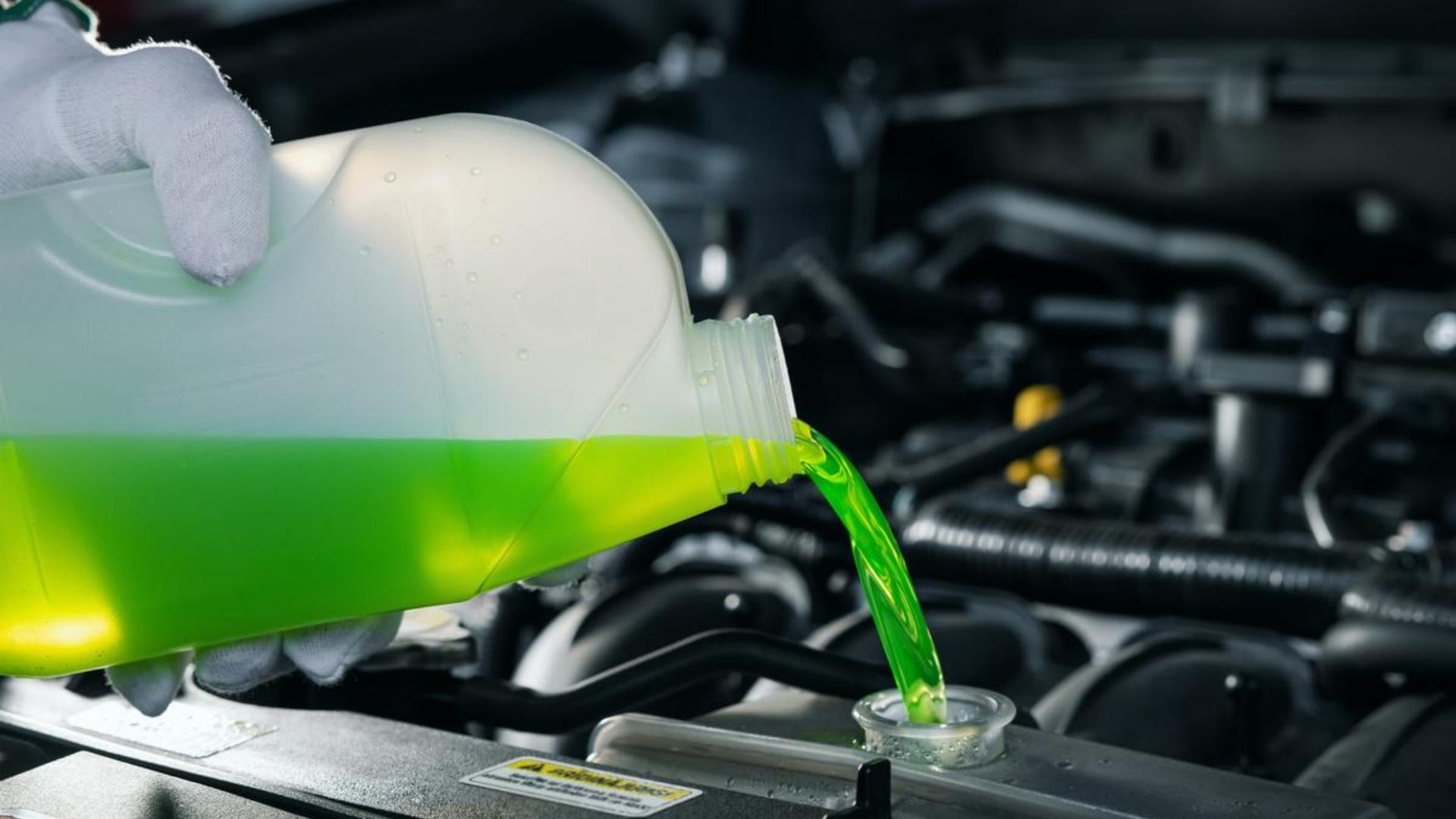
Last year, Prestone increased its R&D budget and expanded its team by five scientists and engineers to develop EV and FCV-specific coolants. Efforts focus on formulating corrosion inhibitors to reduce coolant conductivity.
Low-Conductivity Coolant Trends
In 2023, the American Society for Testing and Materials (ASTM) released ASTM 08455, a new test standard for EV coolants covering BEVs, FCVs, and PHEVs. EV coolants must now be tested according to this new standard, focusing on metals like stainless steel, aluminum, and optional copper, eliminating the need for traditional inhibitors and additives.
Corrigan mentions that Prestone’s first EV-specific coolant, likely still ethylene glycol-based, might be available in about two years. However, if scientists develop an oil-based insulating coolant effective at transferring heat, ethylene glycol could be replaced.
Apart from Prestone’s coolant, DOBER’s EV-SLC antifreeze/coolant uses advanced low-conductivity and existing ethylene glycol technology, specifically designed for BEV applications. This technology combines non-conductive organic acid-based inhibitors for long-lasting corrosion, freeze, and boil protection while maintaining low conductivity and enhanced thermal stability.
Different battery chemistries, such as LFP, solid-state, and NMC batteries, may require specific coolants. Corrigan states, "We see the future trends in EV coolants and aim to be prepared when manufacturers are ready."
Related: Compatible with Mach E Superchar Adapter