Market Analysis and Comparison: BYD Seal vs. Tesla Model 3 in Australia
Brand Comparison: While both Tesla and BYD are prominent players in the electric vehicle sector, their brand images and positioning differ. Tesla, as a U.S.-based electric car and clean energy company, emphasizes a high-tech and luxury brand image with a product line that includes the Model 3, Model S, Model X, and Model Y. On the other hand, BYD, recognized in the domestic market for its practicality, high cost-effectiveness, and substantial technical expertise in new energy, has gained acceptance in the Chinese market.
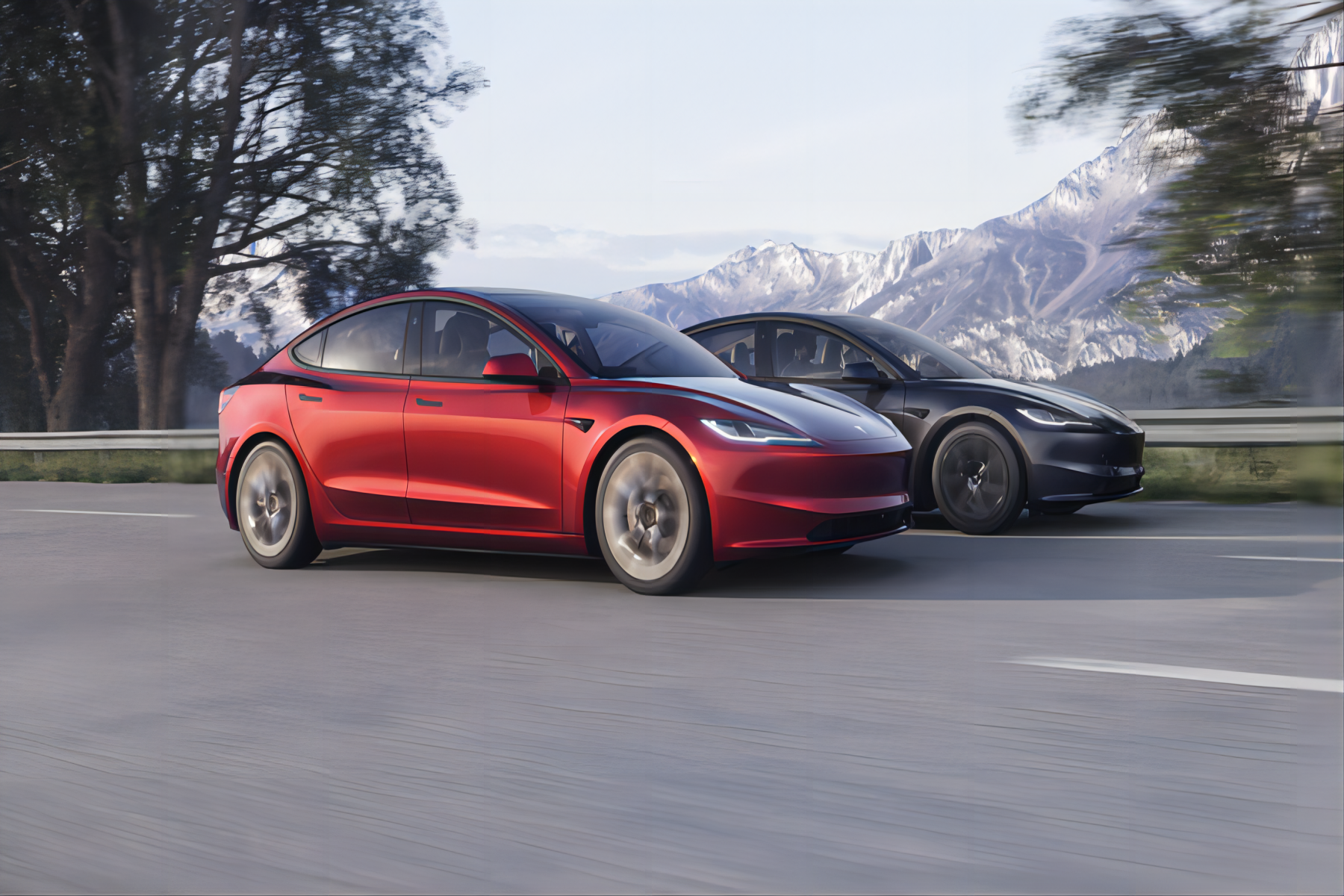
Design Comparison: The Model 3 and BYD Seal exhibit captivating designs. The Model 3 boasts sleek and clean lines with Tesla's signature minimalist front fascia, presenting a compact and dynamic appearance. The BYD Seal, with its adorable exterior and dynamic lines, has won consumer favor. The Seal features BYD's latest family design language in the front, complemented by matrix LED headlights and flowing turn signals, creating a visually striking effect. Additionally, the Seal's slightly larger dimensions offer a small edge in space, with a length of 4805mm and a wheelbase of 2900mm compared to the Model 3's 4690mm length and 2875mm wheelbase.
Performance Comparison: In terms of performance, both the Model 3 and BYD Seal demonstrate formidable capabilities. The Model 3 is equipped with Tesla's latest three-motor all-wheel-drive system, delivering a maximum power of 358kW, a 0-100km/h acceleration time of 3.1 seconds, and a top speed of 225km/h. The BYD Seal features BYD's latest e-platform 3.0 technology, with front and rear dual-motor all-wheel-drive, reaching a maximum power of 290kW, a 0-100km/h acceleration time below 4 seconds, and a top speed of 180km/h. While the Model 3 excels in performance metrics, the BYD Seal remains a strong competitor.
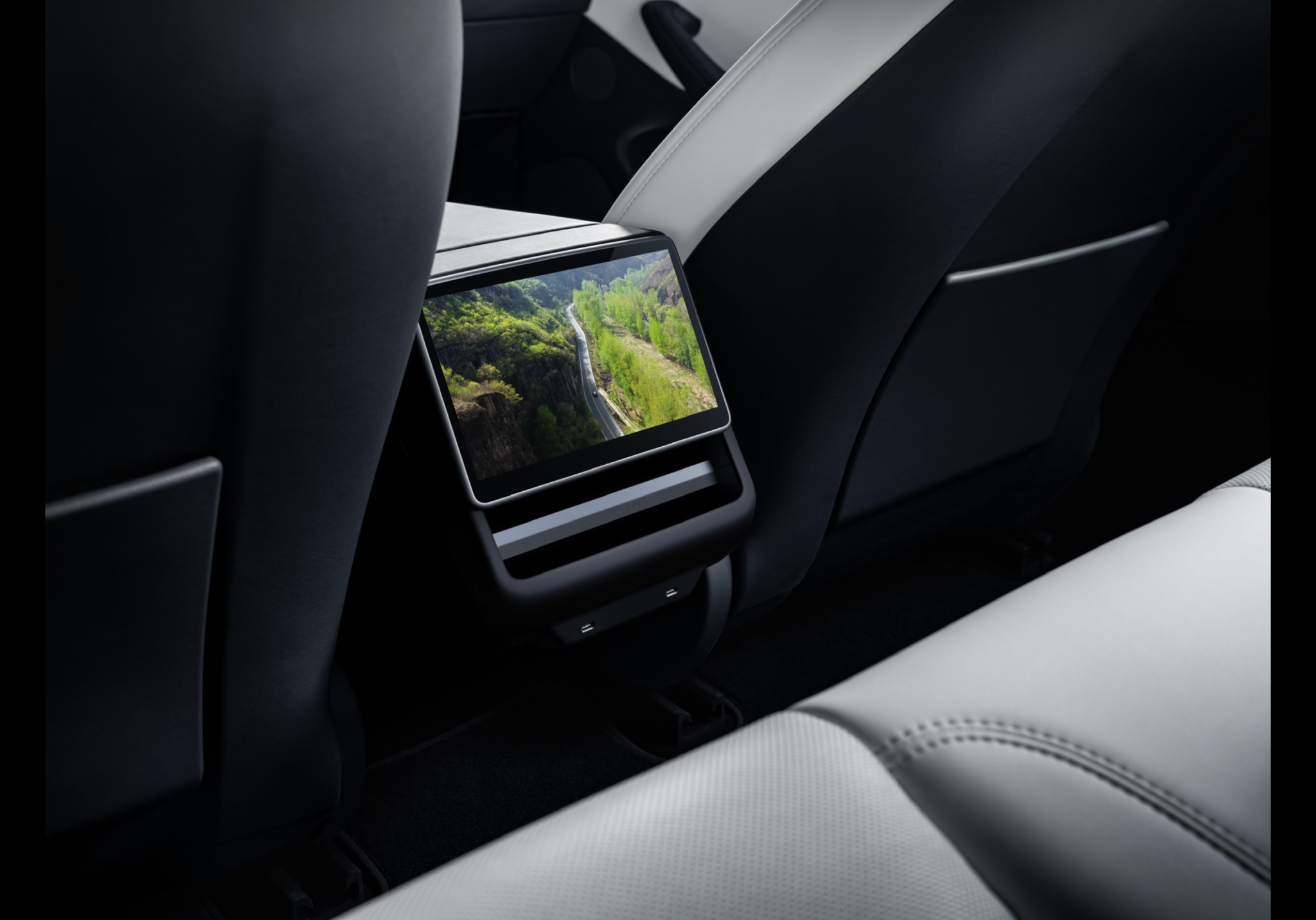
Configuration Comparison: Both the Model 3 and BYD Seal offer unique configurations. The Model 3's interior design is sleek and tech-oriented, equipped with Autopilot for Level 2 autonomous driving. Additional features include heated front and rear seats and a car air purifier. The BYD Seal emphasizes interior comfort with advanced features like a car air purifier, in-car PM2.5 filter, and negative ion generator. High-end features such as matrix headlights and concealed door handles contribute to a tech-savvy experience. Overall, both models offer competitive configurations.
Price Comparison: The price of the BYD Seal is notably lower than the Tesla Model 3 in Australia. The BYD Seal Dynamic is priced at around $49,888 RRP plus on-road costs, which is approximately $12,000 less than the upcoming 2024 Tesla Model 3 entry-level RWD model priced at $61,900 plus on-road costs.
In conclusion, both the BYD Seal and Tesla Model 3 are compelling options in the Australian electric vehicle market. While differences exist in design, performance, configuration, and price, these models represent the latest achievements and development directions in electric vehicle technology. Consumers can make choices based on personal preferences and requirements, confident that these vehicles will bring surprises and convenience to their lives. The BYD Seal, with its competitive pricing, offers a strong alternative to the Tesla Model 3, providing consumers with diverse options in the evolving landscape of electric mobility in Australia.