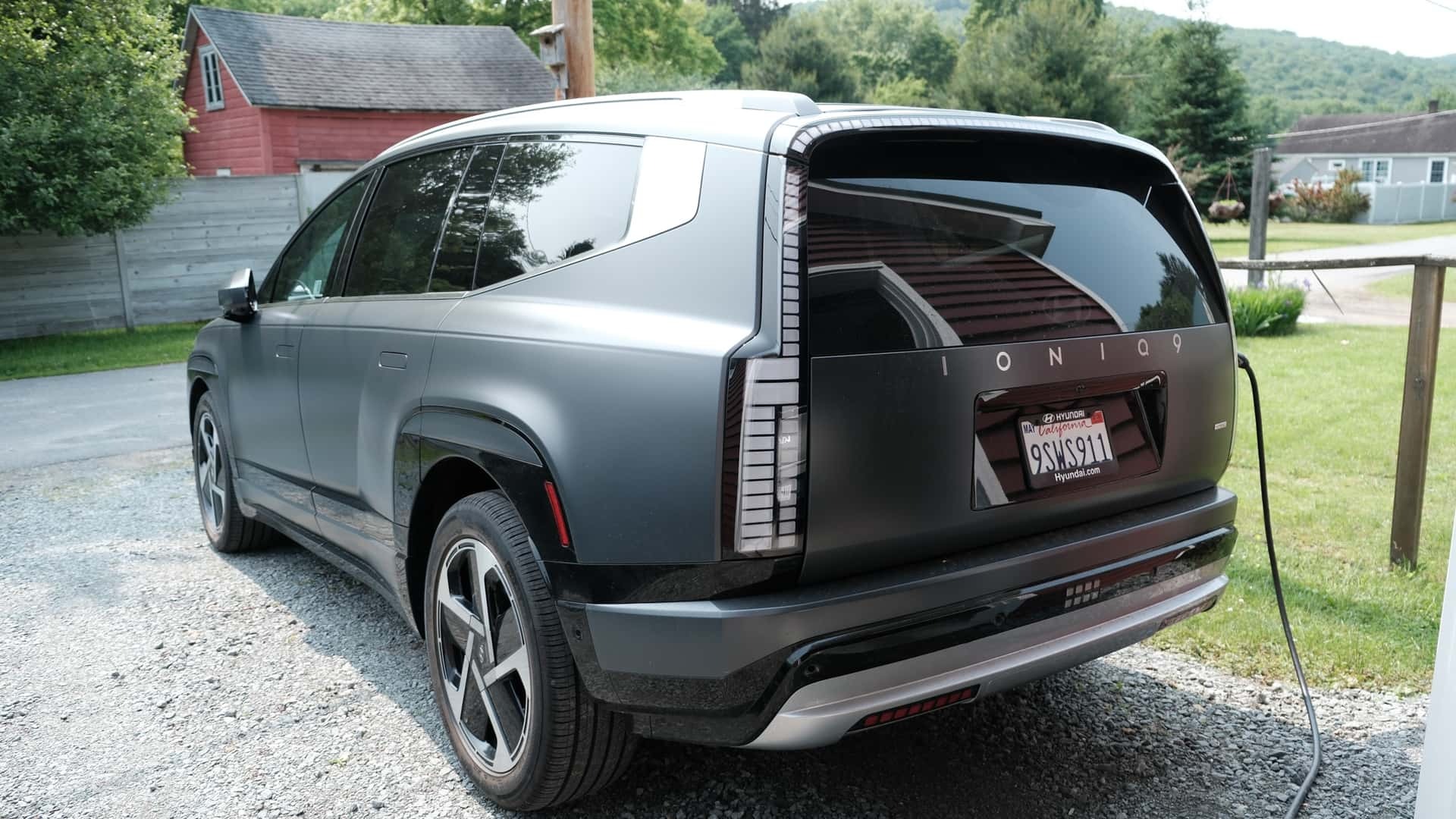
Hyundai Ioniq 9 Charging Test: Fast, But There's a Catch with Tesla Superchargers
Hyundai’s all-new three-row electric SUV, the Ioniq 9, is almost here—and if early charging tests are any indication, it’s set to become another fast-charging champion in Hyundai's electric lineup. Based on the company’s 800V E-GMP platform, the Ioniq 9 joins the Ioniq 5, EV6, and EV9 in delivering some of the quickest charging speeds in the EV market today.
Fast Charging Performance That Matches the Hype
During a recent test, the Ioniq 9 charged from 10% to 80% in just 24 minutes at a peak power of 243 kW—almost exactly what Hyundai claims. That's impressive for a full-size, family-friendly SUV, and it places the Ioniq 9 among the fastest-charging EVs currently available, outperforming many premium electric SUVs on the market.
But there’s a caveat.
Meet the First Hyundai with Native NACS
The Ioniq 9 is Hyundai’s first vehicle to come standard with the Tesla-style NACS (North American Charging Standard) port. This means it can plug directly into Tesla Superchargers without the need for an adapter—something many EV owners see as a big convenience.
However, despite the physical compatibility, the charging speed at Tesla Superchargers may be slower than at stations built for 800V platforms like the one in the Ioniq 9.
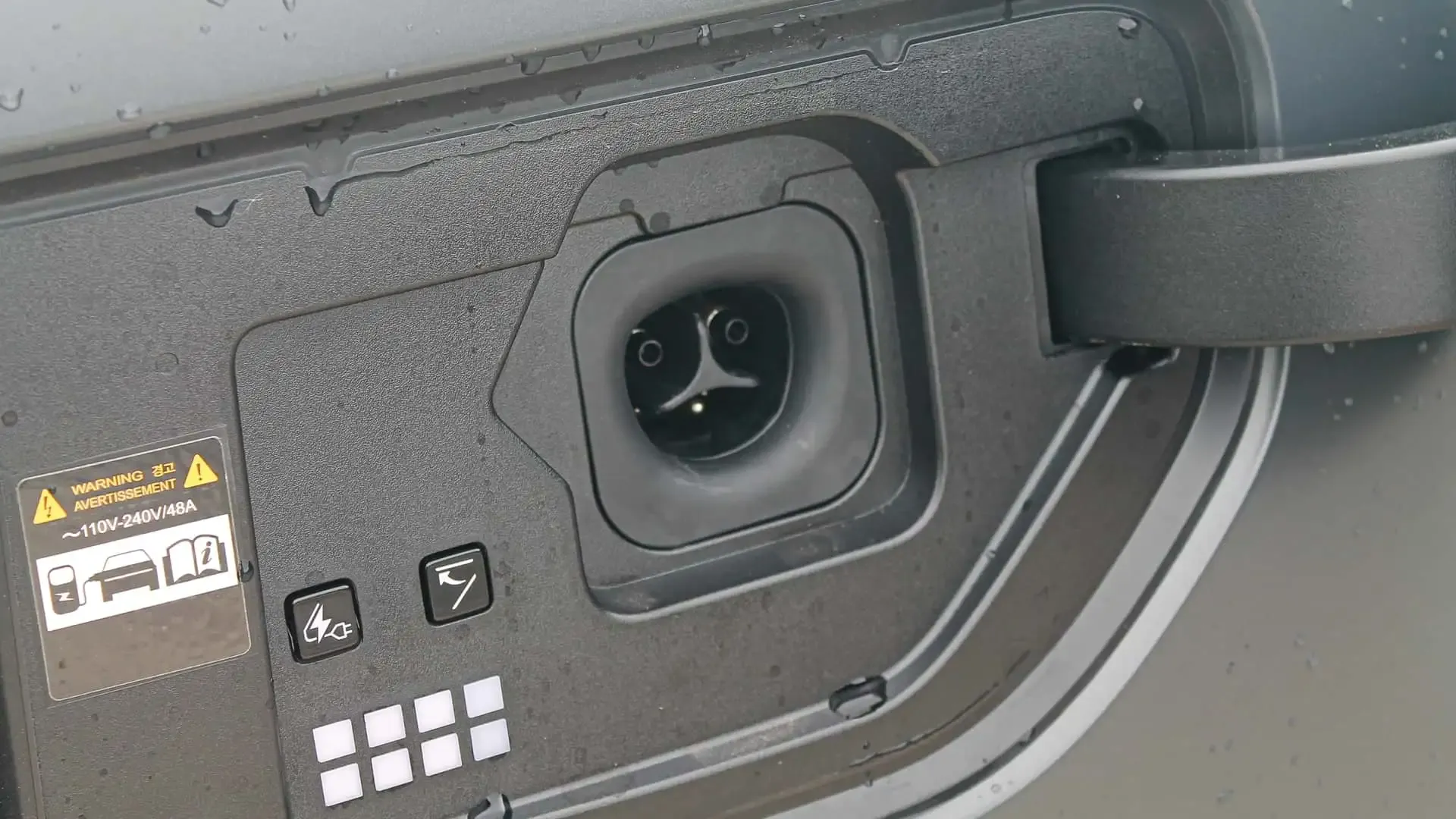
800V Architecture Meets 400V Superchargers
Here’s why: Hyundai’s E-GMP vehicles run on 800V architecture, which allows for high-speed charging by reducing current and minimizing heat generation. This is one reason why models like the Ioniq 5 and Lucid Air charge so quickly.
In contrast, most Tesla Superchargers today are built for 400V-class EVs like the Model 3 or Model Y. When an 800V EV like the Ioniq 9 plugs into a 400V charger, the car must use an onboard DC-DC boost converter to raise the voltage internally. This process introduces energy loss and often limits charging power.
So while Tesla Superchargers are widely available, they may not yet be the best place to unlock the Ioniq 9’s full charging potential—at least until Tesla upgrades its network with 1000V-capable NACS chargers.
Don’t Want to Wait? Use CCS Stations with an Adapter
If you want to take full advantage of the Ioniq 9’s charging speeds right now, public CCS fast charging stations like Electrify America or EVgo remain your best option.
And here’s the good news: while the Ioniq 9 uses a NACS port, you can still charge at CCS1 stations with a reliable CCS1 to NACS adapter, like the one we offer here:
This high-current adapter enables fast, safe charging at most legacy CCS stations, giving you flexibility while Tesla’s NACS infrastructure continues to evolve.
Final Thoughts
The Ioniq 9 looks like a serious contender in the large EV SUV segment. Its charging performance is world-class when paired with the right hardware—and with the proper adapter, you can get the best of both worlds: access to CCS and NACS networks without compromise.
As NACS becomes the new North American standard, tools like CCS-to-NACS adapters will be essential for future-proofing your EV charging experience.