Debunking Myths and Exploring Benefits of 800V Fast Charging for Electric Vehicles
The adoption of 800V high-voltage fast charging technology in electric vehicles (EVs) has sparked debates about its efficacy and potential harm to battery longevity. While concerns about battery damage persist, understanding the advantages and misconceptions surrounding this technology is crucial. Let's delve into the intricacies of 800V fast charging and its impact on EV batteries.
One prevailing misconception is that 800V fast charging is a gimmick with detrimental effects on battery health. While it's true that high voltage and current can accelerate chemical reactions within batteries, leading to degradation, the reality is more nuanced. Fast charging at 800V can indeed affect battery lifespan due to increased internal stress and heat generation. However, modern EVs equipped with 800V systems employ sophisticated management systems to mitigate these risks.
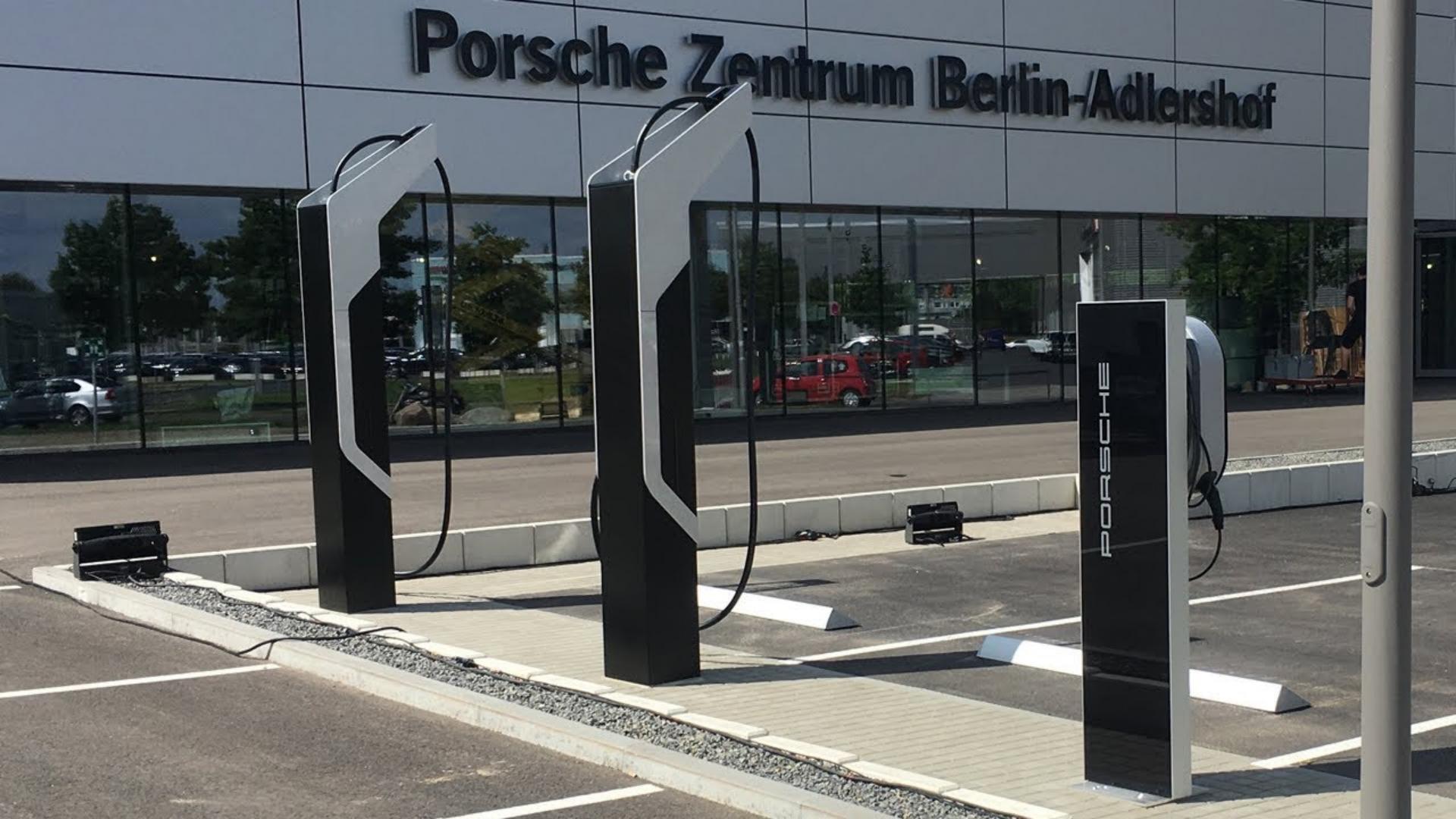
Despite concerns, the widespread adoption of 800V fast charging by major automakers underscores its numerous benefits. By leveraging higher voltage, charging efficiency is significantly enhanced, reducing charging times and minimizing energy losses. The physics behind this lies in the power equation, where power (P) equals current (I) multiplied by voltage (V). Increasing voltage allows for faster charging without disproportionately raising current, thereby mitigating safety hazards associated with excessive heat generation.
Moreover, the ability of 800V systems to handle higher charging rates enhances convenience and accessibility for EV owners. While fast charging may slightly impact battery longevity, the overall convenience and efficiency offered by rapid charging far outweigh these concerns.
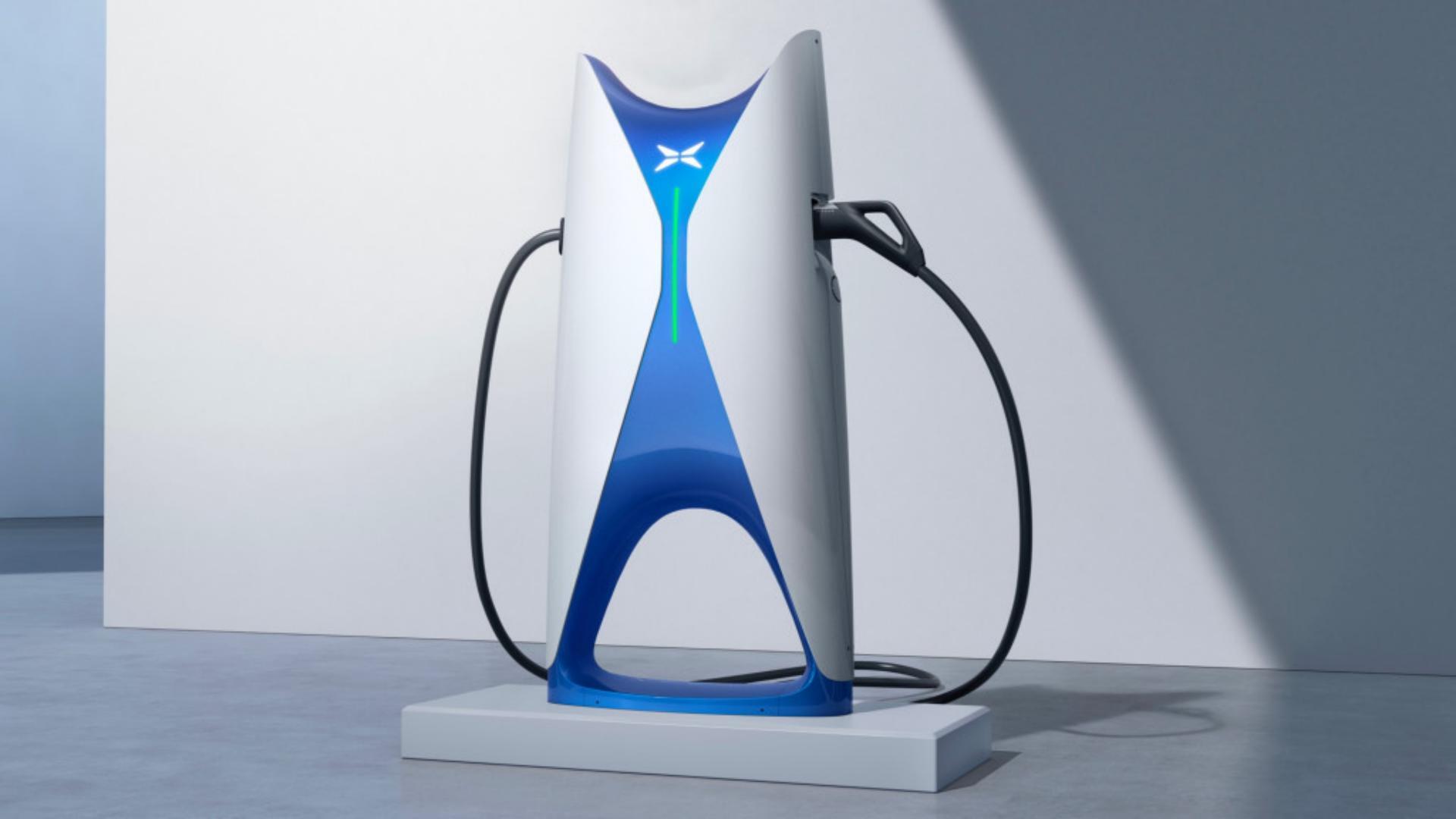
Compatibility with Standard Charging Infrastructure: Contrary to misconceptions, vehicles equipped with 800V high-voltage systems can still utilize standard charging infrastructure. Most public charging stations operate at lower voltages, typically around 300V. However, EVs with 800V systems incorporate DC/DC modules to adapt high-voltage input from fast chargers to lower voltages suitable for standard charging stations. This ensures compatibility and flexibility for EV owners, allowing them to charge their vehicles at various locations, albeit at slower rates.
In conclusion, while 800V fast charging technology may raise valid concerns about battery longevity, its benefits outweigh the drawbacks. By facilitating faster charging times and enhancing convenience for EV owners, 800V systems represent a significant advancement in electric vehicle technology. Moreover, compatibility with standard charging infrastructure ensures widespread accessibility and usability, further solidifying the case for embracing 800V fast charging in the EV industry.