Changes in U.S. Electric Vehicle Subsidies Impact on Sales and Global Manufacturers
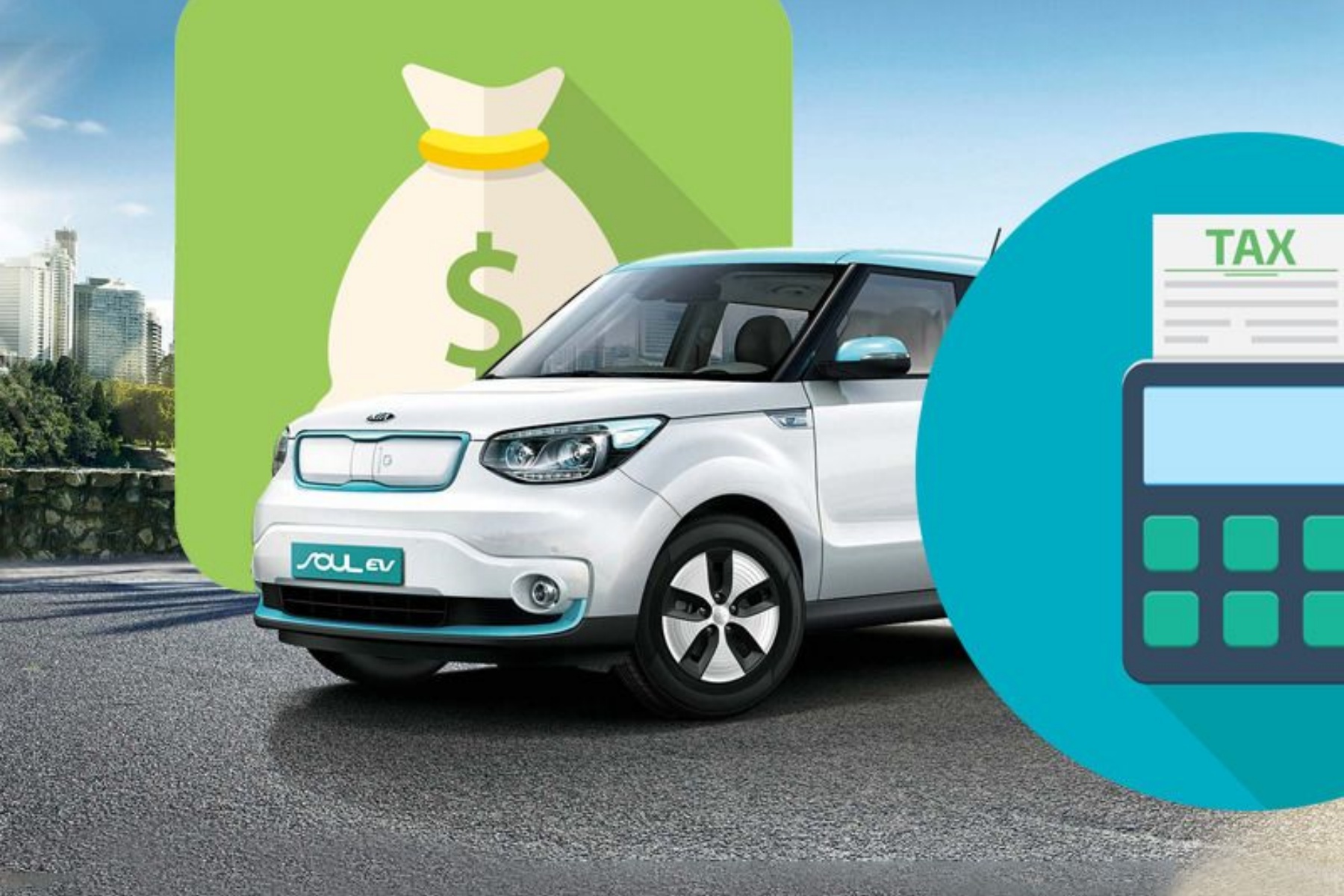
Starting from January 1, 2024, new regulations governing electric vehicle (EV) subsidies have come into effect in the United States, bringing significant changes to the landscape. The exclusion of Chinese battery supply chain companies from the subsidy program has resulted in several EV models losing eligibility for the maximum $7,500 federal tax credit. This shift has reduced the number of qualifying EV models from 43 to 19, including different versions of the same model.
New Regulations and Controversies
The discriminatory provisions regarding EV subsidies have been a point of contention since the introduction of the U.S. Inflation Reduction Act. Enacted on January 1, 2023, the act allows U.S. consumers to receive a maximum federal tax credit of $7,500 for purchasing EVs, limited to electric pickups, vans, SUVs with a retail price under $80,000, and sedans under $55,000.
Restrictions on EV Components
The act places restrictions on the manufacturing and sourcing of EV components, requiring that over 40% of battery key minerals be extracted, processed, or recycled in North America or countries with which the U.S. has a free trade agreement. By 2027, this ratio is expected to increase to 80%. Additionally, over 50% of EV battery components and materials must be manufactured or assembled in North America, reaching 100% by 2029. The aim is to strengthen "Made in America" initiatives and reduce dependence on foreign battery manufacturers.
Chinese Battery Supply Chain Exclusion
Recent regulations released by the U.S. Treasury further tighten subsidy conditions, aiming to exclude Chinese entities from the EV tax credit program. Starting in 2024, EVs containing battery components manufactured or assembled by "Foreign Entities of Concern (FEOC)" will not qualify for the $7,500 tax credit. By 2025, the rules propose even stricter conditions, barring EVs from eligibility if they contain key minerals extracted, processed, or recycled by FEOC. FEOC, as defined by the U.S. Department of Energy, includes entities governed or controlled by the governments of China, Russia, North Korea, and Iran.
Impact on EV Models
Following the implementation of the new regulations, several popular models, including Nissan Leaf, Tesla Cybertruck, Tesla Model 3 Rear-Wheel Drive, Chevrolet Blazer EV, Volkswagen ID.4, BMW X5 xDrive50e, Audi Q5 Plug-In Hybrid, Cadillac Lyriq, and Ford E-Transit, have temporarily lost eligibility for tax credits. Currently, only 19 models qualify for subsidies, and when excluding different versions of the same model, the number reduces to 13. These qualifying models are exclusively from U.S.-based automakers, marking a significant blow to global manufacturers.
The changes in U.S. EV subsidies reflect a deliberate effort to prioritize domestic manufacturing and reduce reliance on foreign battery supply chains, particularly from China. As the automotive industry adjusts to these new regulations, the impact on global manufacturers is evident, with only U.S.-based companies currently meeting the stringent criteria for federal tax credits.