CATL's 30-Year Sodium-Ion Battery Is Coming for Grid Storage — And Europe Just Placed a 5 GWh Order
Battery news usually gets measured in kilowatt-hours and range figures. This one is measured in decades.
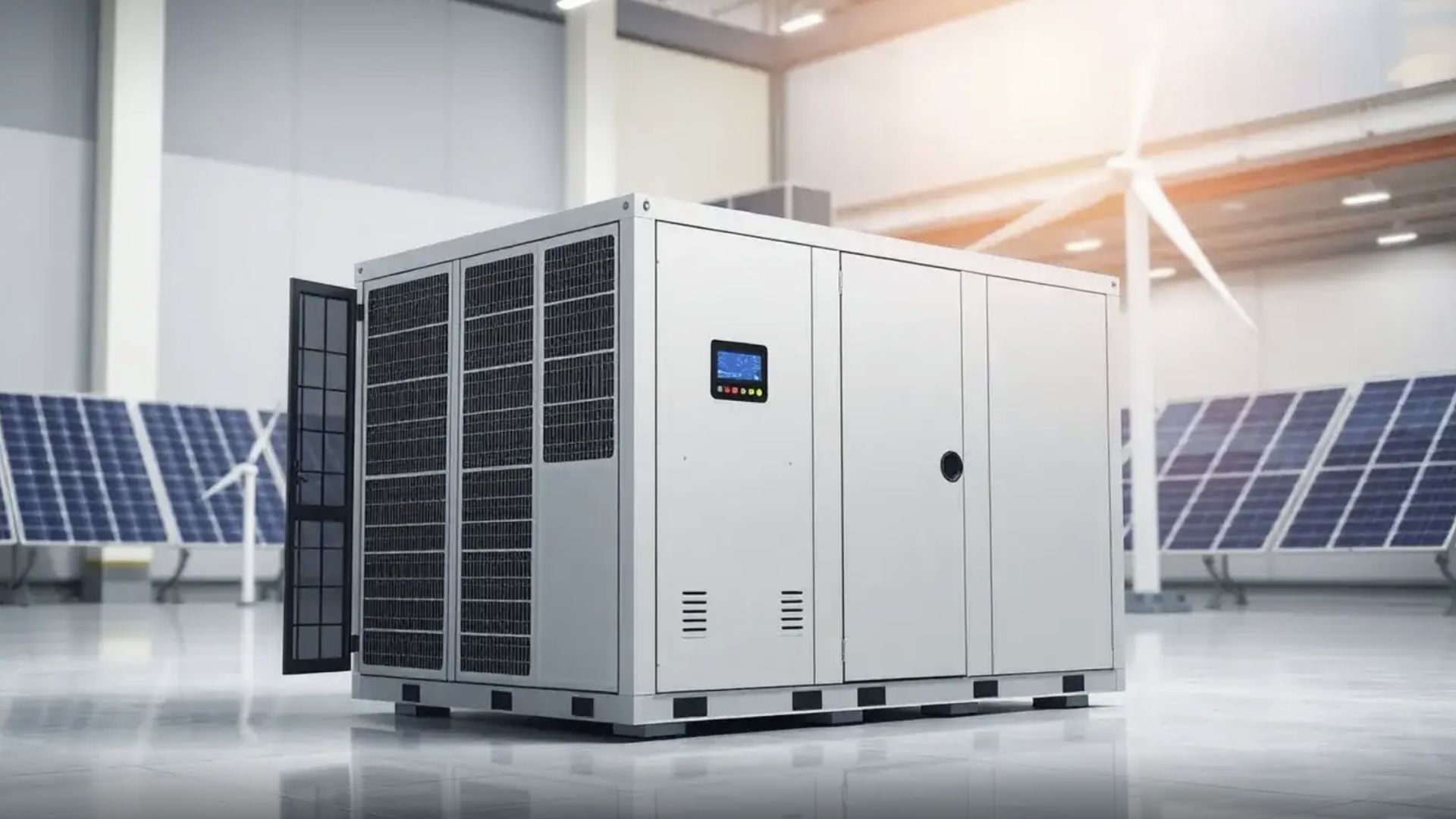
CATL, the world's largest battery maker, has signed a memorandum of understanding with Dutch energy company Alfen to deploy 5 GWh of its Tener Sodium energy storage systems across Western Europe starting in 2027 — one of the largest sodium-ion commitments the region has ever seen. For anyone following the EV and energy-storage space, it's a signal that sodium-ion chemistry has quietly graduated from "promising lab technology" to "bankable grid infrastructure."
What's Actually Being Deployed
The batteries at the center of this deal are rated for 15,000 charge cycles and a service life of 25 to 30 years at a 70% health threshold. That's the entire pitch: sodium-ion isn't winning on energy density — it's winning on longevity, safety, and cost stability, which happen to be exactly what grid-scale storage cares about most.
For context, most lithium iron phosphate (LFP) storage systems on the market today are warrantied for a few thousand cycles, up to roughly 10,000 at the high end. A system that can cycle daily for a quarter-century without a major capacity fade changes the entire levelized-cost-of-storage math in a way that incremental lithium improvements can't match.
Temperature resilience is the other half of the story. Using what CATL calls its dipole wide-temperature technology, the Tener Sodium system holds more than 92% capacity at -20°C and supports over 10,000 cycles at 45°C — without the extra insulation or active cooling that lithium systems typically need in extreme climates. Skipping that thermal-management hardware is a big part of where the cost savings come from.
CATL also reports a bidirectional voltage control power conversion system that stabilizes output at 690V, improves round-trip efficiency by nearly 2%, and cuts self-consumption to about 1% — roughly half the industry average. On the safety side, the company cites a 40% reduction in cell expansion force, a 35% cut in gas generation, and a thermal runaway surface temperature of around 200°C, well above what's typical for conventional lithium cells.
Why Alfen, and Why Now
Alfen isn't new to battery storage — the company has been building battery storage systems since 2011 and has over 1 GWh already installed across Europe, including some of the Netherlands' largest projects. It's also sourced lithium-ion cells from CATL since 2023. This deal extends that relationship into a second chemistry rather than starting from scratch.
The business logic here is about supply security as much as performance. Sodium is roughly 1,000 times more abundant than lithium in the earth's crust and considerably cheaper to source, which insulates buyers from the kind of lithium price swings that have hit the storage industry hard over the past three years. Alfen has framed the move around "optimizing cost structure" and improving resilience against lithium price volatility, and Alfen CEO Michael Colijn described sodium-ion storage as the next step in how the company thinks about diversifying its energy storage strategy.
A Sodium Arms Race Is Already Underway
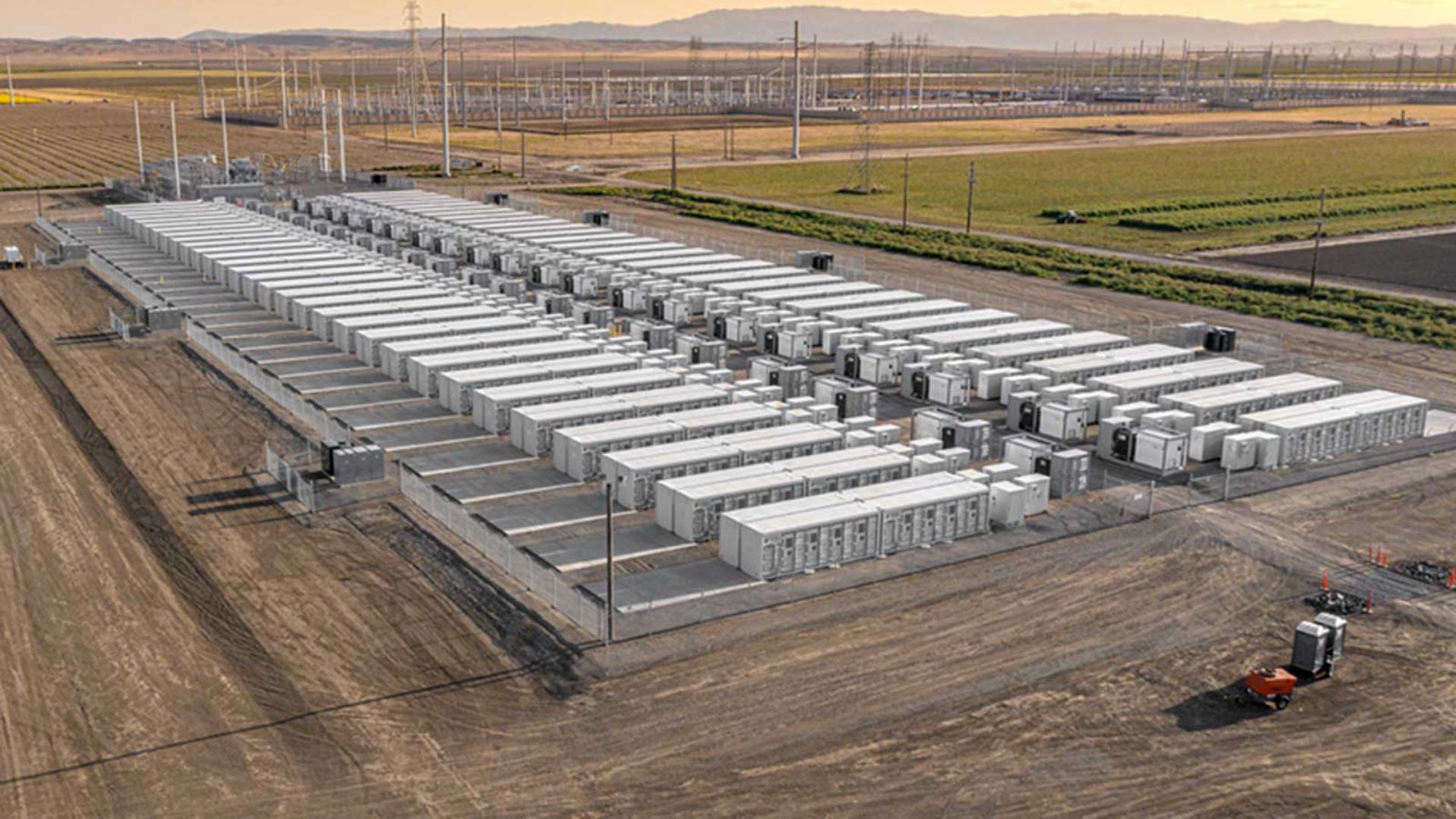
Alfen's order lands in the middle of a broader surge in sodium-ion commitments through 2026. In April, CATL signed a 60 GWh sodium-ion supply agreement with Chinese integrator HyperStrong — the largest sodium-ion battery order on record — and said the technology had reached mainstream deployment readiness. In the US, Peak Energy delivered the country's first grid-scale sodium-ion battery last year, and GM has since backed Peak Energy's sodium-ion platform as it looks beyond lithium. ESS, Natron, and several California utilities have made similar bets.
The underlying logic is straightforward: grid storage doesn't need the energy density that makes lithium indispensable in vehicles. It needs cycle life, safety, wide-temperature tolerance, and low cost — and that's precisely where sodium currently has the edge. CATL's Chief Customer Officer Tan Libin put it plainly, saying sodium-ion batteries will deliver distinct value for European customers thanks to their safety and lifecycle sustainability.
The Bigger Picture
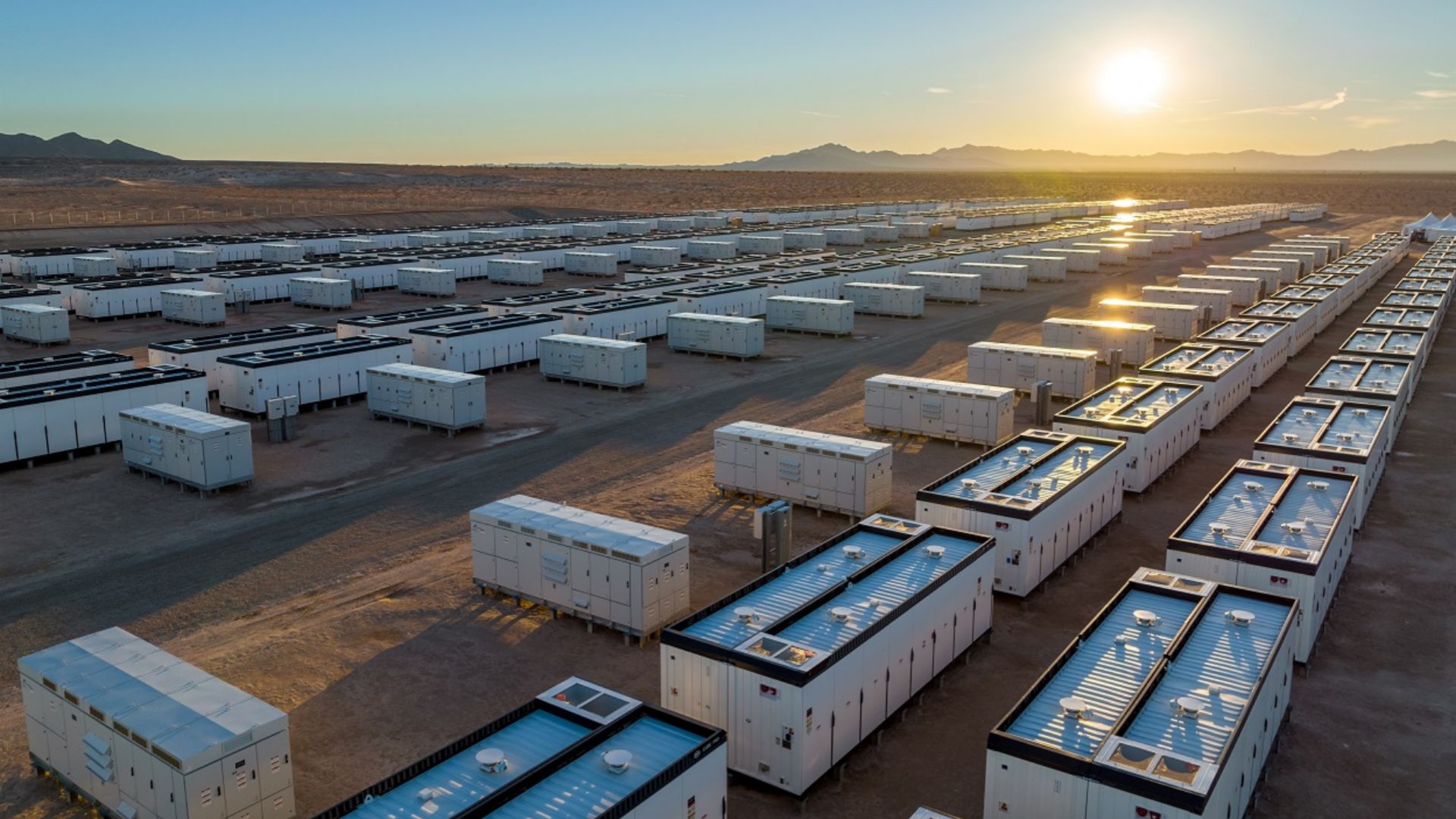
Sodium-ion has been called the "chemistry of the future" for years — cheaper and safer in theory, but historically too energy-sparse to be practical. It's still working its way into EVs. But stationary storage was never the application that most needed high energy density in the first place, and that's exactly why sodium is finding its opening there first.
A battery that holds 92% capacity at -20°C without a cooling system, and that's built to cycle daily for a quarter-century, doesn't just tweak the cost curve for grid storage — it resets it, in a way gradual lithium improvements can't. Combined with sodium's abundance and its insulation from lithium price swings, that's a strong case for why this chemistry — not incremental LFP upgrades — may end up as the default choice for stationary storage over the next decade.