Can You Extend a Type 2 EV Charging Cable?
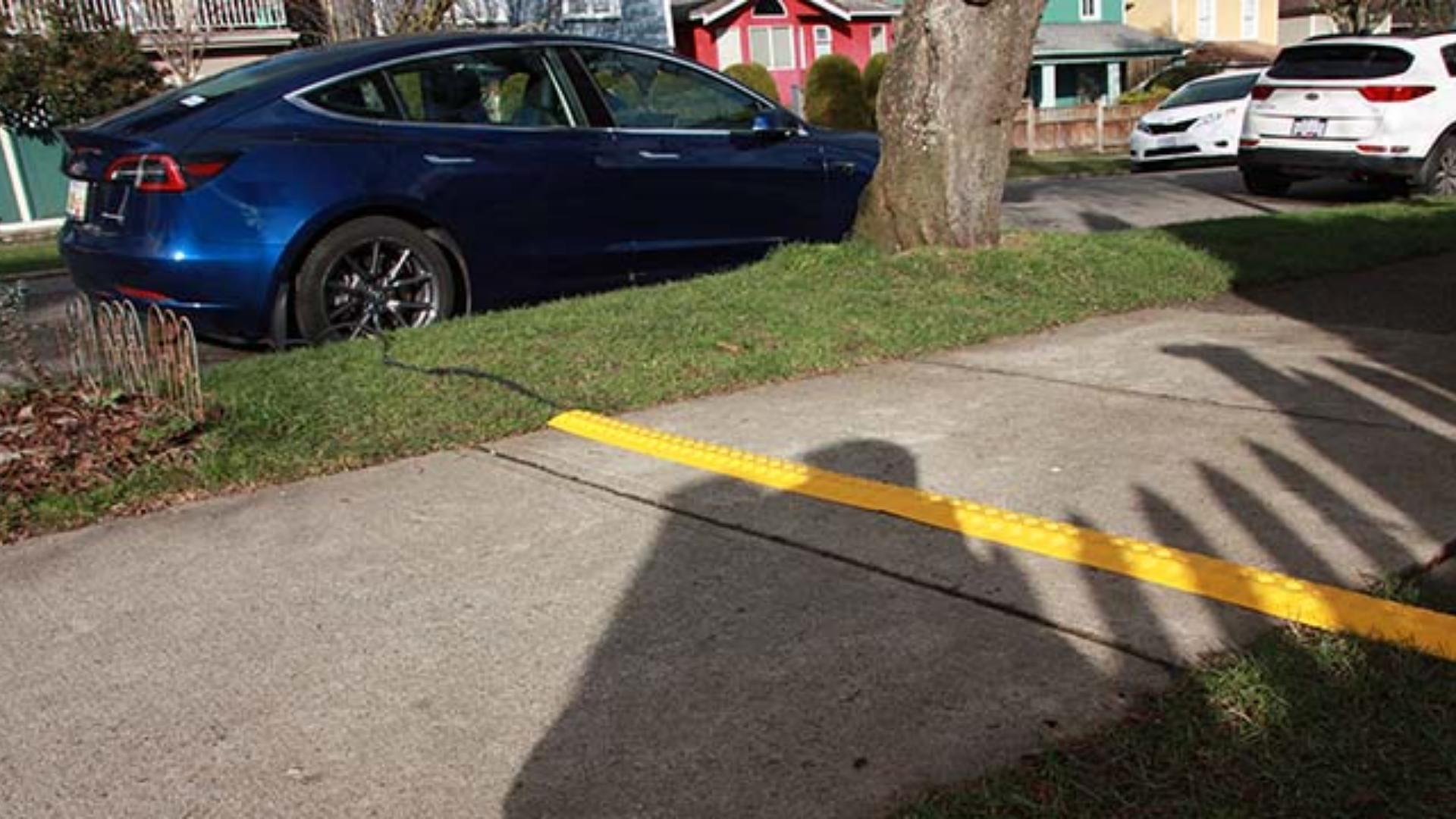
Yes, you can extend a Type 2 electric vehicle (EV) charging cable. Most EV chargers come with cables around 5 meters in length, which is ideal for home charging. However, if you're charging your EV on the sidewalk outside your garage or at a public charging station, you might encounter difficulties with this length. For outdoor charging, using a longer Type 2 EV charging cable is recommended.
There are two main ways to extend the length of your EV charger. The first option is to purchase a new, longer charger, such as one with a 7-meter or 10-meter cable. Alternatively, MCEVKELN offers a more flexible solution: a detachable Type 2 extension cable. This cable is made from high-quality TPU with all-copper wiring, available in both single-phase 32A and three-phase 32A options, and comes in 5-meter and 7-meter lengths to provide the best value for your needs. The cable's connectors and sockets are made from insulated, flame-retardant materials, and when the cover is closed, they achieve an IP54 rating for water and dust resistance, ensuring safe use and durability.
How Do You Extend a Type 2 EV Charging Cable?
The simplest and most common way to extend a Type 2 EV charging cable is by using an EV extension cable. One end of the extension cable connects to the main charger or public charging station, while the other end connects to the vehicle's charging port. These extension cables work similarly to the mobile connectors, chargers, and extension cords we use in our daily lives.
The primary advantage of using these cables is flexibility. They come in various lengths and can be chosen according to your specific requirements. Additionally, these cables have different power ratings, so you can find one that matches the rating of your main charger. When selecting a high-quality EV extension cable, it's crucial to consider the maximum charging power supported by your vehicle and the intended application to avoid unnecessary waste. For example, if you drive a BYD, MG, or another EV with a maximum AC charging power of 7kW, a single-phase 32A cable would be the most economical choice. However, if you own a Tesla or Renault ZOE, which supports three-phase AC charging, a three-phase 32A cable would be the most efficient option.
Are EV Extension Cables Waterproof?
If you live in an area prone to rain or snow, or if you frequently use your cable outdoors, it's essential to ensure that your Type 2 EV extension cable is waterproof and dustproof. However, even if your extension cable is designed with these protective features, it’s important not to leave it in extremely damp conditions for extended periods. Excessive moisture can still cause oxidation of the all-copper terminals, and too much debris could impact charging efficiency or create a short-circuit risk. Most cables are splash-proof, meaning they can withstand minor water exposure, but prolonged submersion or exposure to heavy rain could damage the cable.
Using an EV extension cable to extend your EV charger can be very helpful, especially if you're dealing with occupied charging spots or need to charge from a distance during busy times. Additionally, to reduce costs, most EV manufacturers only sell or bundle relatively short charging cables, which are suitable for standard home charging but not ideal for outdoor or public charging station use. With a Type 2 extension cable, you can easily extend your EV charging cable and charge your vehicle more conveniently. However, always purchase an extension cable that is rated higher than your vehicle's or charger's power rating to avoid voltage drop and reduced charging efficiency.