BYD has unveiled its next-generation Megawatt Flash Charging technology delivering 1,500 kW of peak charging power — enough to add nearly 400 miles of range in under 10 minutes. This represents a paradigm shift bringing EV charging closer to the convenience of traditional gas stations.
Key Performance Metrics
|
Metric
|
Performance
|
|
Peak Power
|
1,500 kW (1.5 MW)
|
|
10% to 70%
|
5 minutes
|
|
10% to 97%
|
9 minutes
|
|
Cold Weather (-30°C)
|
20% to 97% in 12 minutes
|
|
Range Added (9 min)
|
~400 miles (EPA equivalent)
|
For comparison, Tesla's V4 Superchargers in the U.S. max out at ~500 kW. BYD's Flash chargers deliver 3x faster charging than current "ultra-fast" standards in North America.
Blade 2.0 Battery Technology
The Flash charging system works with BYD's second-generation Blade battery featuring:
1.Enhanced thermal management for extreme temperature performance
2.Higher energy density maintaining LFP safety characteristics
Optimized for high-current charging without significant degradation
3.Notably, BYD caps charging at 97% to reserve capacity for regenerative braking — ensuring energy capture even when "fully charged."
Real-World Demonstration
BYD demonstrated the technology using a Denza Z9 GT:
1.Drained battery to 9% state of charge (~58 miles remaining)
2.Connected to 1,500 kW Flash charger
3.Result: 1,008 km (626 miles) range in 9 minutes 51 seconds
Even adjusting for CLTC vs. EPA standards, this equals ~400 miles of real-world range in under 10 minutes.
Infrastructure Rollout
Deployment Timeline:
Completed: ~4,200 Flash stations in China
2026 Target: 20,000 stations
Coverage Goal: 90% of Chinese urban areas within 5 km
Station Design:
T-shaped towers arranged like gas stations
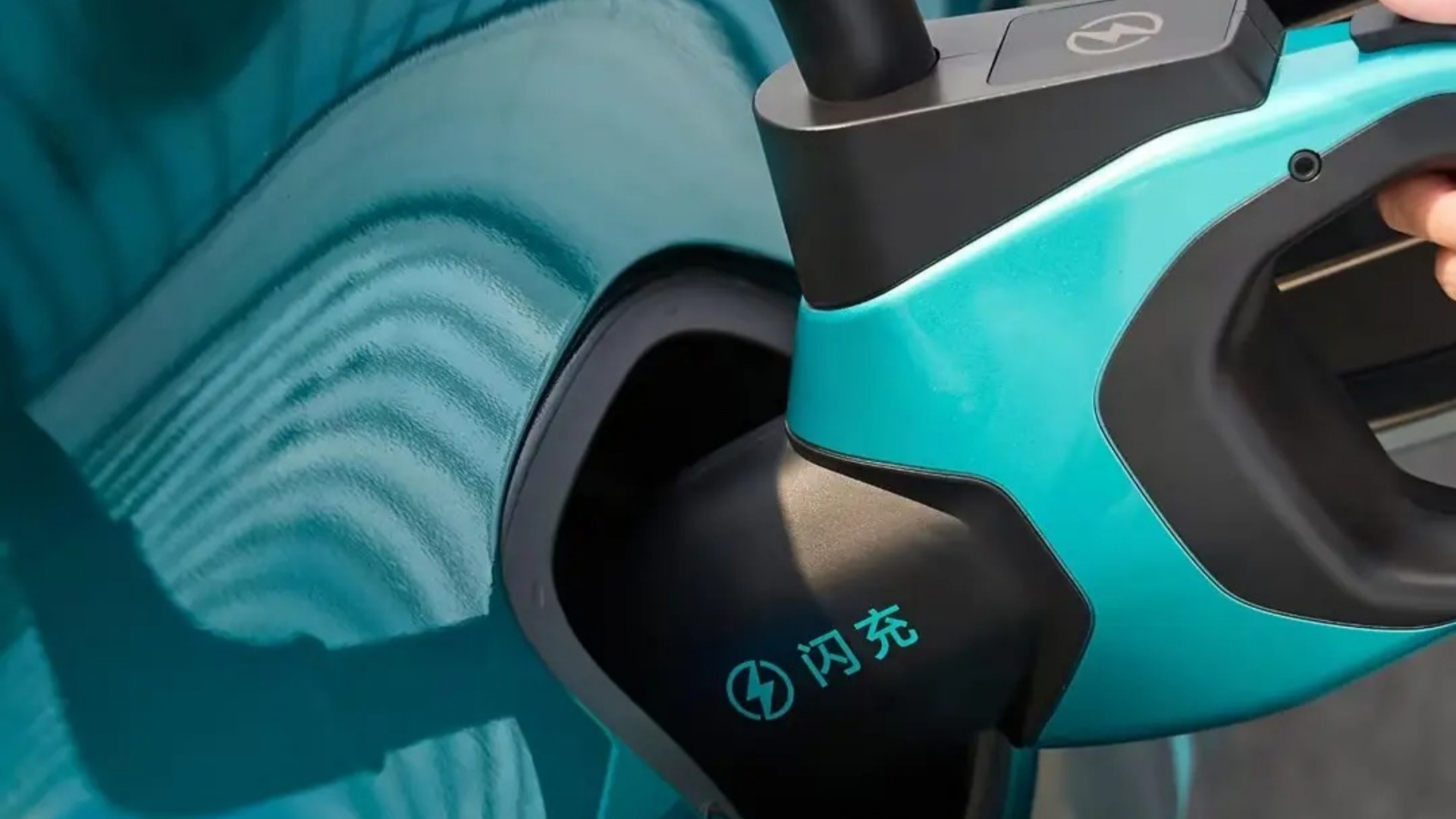
"Zero-gravity" lightweight charging guns
Plug-and-charge functionality (no apps required)
Global Expansion
Flash chargers will deploy to:Europe, Latin America, Middle East, Africa, Asia Pacific.
This could significantly impact EV adoption in regions where charging infrastructure remains a barrier.
Grid Management Solution
To handle 1.5 MW per charger, BYD installs on-site energy storage batteries:
1.Load Distribution: Store energy during low demand, deploy during peaks
2.Renewable Integration: Capture surplus solar/wind energy
3.Grid Stability: Prevent demand spikes affecting local infrastructure
This approach mirrors North American trends toward battery-buffered charging stations.
Competitive Landscape
Chinese Manufacturers:
BYD leads with 1,500 kW Flash charging
Zeekr developing megawatt systems
Huawei entering ultra-fast charging space
U.S. Market:
Fastest public chargers: ~500 kW (limited deployment)
Many automakers still focusing on ICE vehicles
This creates a widening technology gap between Chinese and American EV markets.
Impact on EV Adoption
Ultra-fast charging addresses charging anxiety — a primary EV adoption barrier:
|
Current U.S. Experience
|
BYD Flash Charging
|
|
20-40 minutes
|
Under 10 minutes
|
|
Partial charge
|
Near-full charge
|
This transformation particularly benefits commercial fleets, ride-share operators, and long-distance travelers.
Challenges
1.Vehicle Compatibility: Only compatible battery architectures can utilize full 1,500 kW output
2.Infrastructure Costs: Massive capital investment required for 20,000 stations
3.Grid Capacity: Local upgrades may be necessary despite on-site storage
4.Standardization: Proprietary solutions could fragment the market
BYD's Megawatt Flash Charging represents a significant leap in EV charging technology. The combination of 1,500 kW power, aggressive infrastructure deployment, and smart grid management creates a compelling vision for electric mobility's future.
Whether this technology reaches North America remains uncertain due to trade policies. However, one thing is clear: the EV charging revolution is arriving faster than expected, and it's originating from China.